
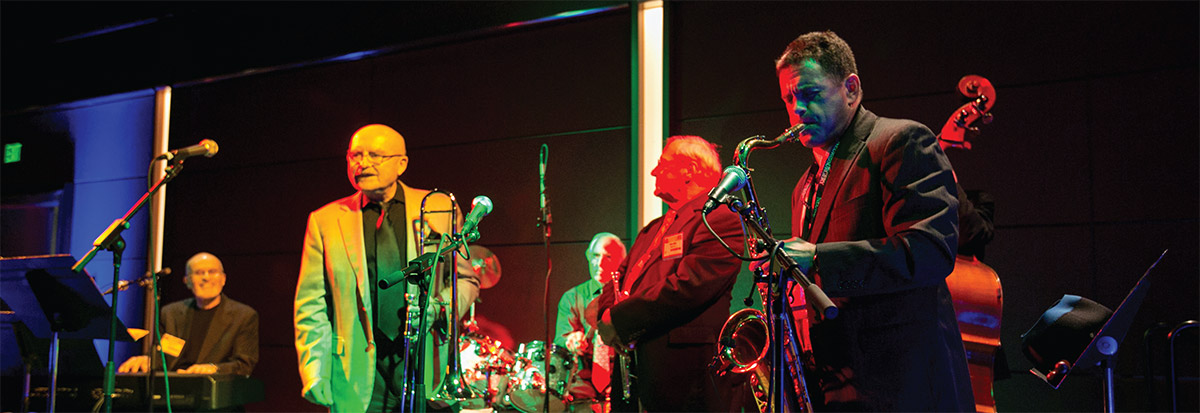
Neurosurgery is the best job in the world. We have tremendous impact on our patients’ lives. The immediate rewards associated with saving the life of a tumor/trauma/vascular patient or the relief of suffering for a spine patient are huge and addictive. We use cutting-edge technology in the operating room daily. We are well respected in our communities and generally well paid for what we do. In exchange for thesebenefits, however, we are required to dedicate substantial time and resources not just to the acquisition of the necessary skillset but also to the maintenance of our practices. We need to be available to our patients, responsive to our referring providers, and maintain skills, credentials, and certifications that reflect a lifelong commitment to the field. The intensity of the neurosurgical lifestyle and the ongoing effort required to maintain that lifestyle create a situation where the individual’s identity is completely intertwined with their profession. Some embrace this. I have a limited presence on social media (due to my extraordinarily advanced age) yet have multiple “Facebook friends” who actively promote their neurosurgical practices—showing cases, putting up copies of recent publications, etc. Some, like me, prefer to keep church and state a bit more separated. I do my best to be known as “Dan” when meeting fellow parents at kids’ sporting events, yet even when we do not seek to identify ourselves as neurosurgeons, the community labels us as soon as our cover is blown. A recent example in my life was when a musician collapsed on stage at a music venue where I am a regular. Whilst lending a hand, I was outed as a medical professional and questions were asked. I am now “Dr. Dan” at that bar. Sometimes I wonder if some of the opportunities I am given in the music community are due to this status and not necessarily due to any musical talent.
The intensity of the neurosurgical lifestyle and the investment we make in our identities as neurosurgeons can lead to poor outcomes. What happens to our self-worth when we have a complication? When we get sued? When we get fired? Is our self-worth tied directly to our RVU production? Are we really the peerless leader of the medical team—brilliant, skilled, devastatingly good-looking, and loved by all? These expectations are a direct path to early career burnout and poor behavior both in and out of the hospital. To avoid this trap, it is important to maintain an identity outside the profession. Family and friends are the first line of defense against the dark spiral of self-absorption. A clever four-year-old is quite capable of putting the supreme doctor in his or her place. Beyond this, hobbies incorporating physical and creative outlets allow us to find joy, blow off steam, and bond with a diverse set of folks who have things to teach us.
My personal outlets are exercise and music. I have been a musician wannabe my entire life. I was cursed at a young age to have just enough talent to allow me to succeed in school but not enough discipline to ever reach the next level. To be fair, I did use that time somewhat effectively to secure a career path to what I have described as the best job in the world. That said, I ache when my teacher (who is 30 years my junior) expresses shock when I reveal that I had never heard of the scale/technique/song he assumed that I, a player with decades more experience, would know. Listening to him demonstrate, or listening to him in concert, emphasizes the gaps in my knowledge. I keep plugging away, however, and have managed to join a band made up of several professional players, a local blues celebrity, and me. Every time we play, I feel inadequate, stretched, and insecure. I am constantly asking questions about song structure, alternative scales, and how I can fit in better. This stretch, this feeling of NOT being in charge, NOT being the most brilliant, skilled, or devastatingly good-looking player on the stage, is exactly why this is so important for me to be there. Learning humility in a blues jam allows me to grow as a person without the consequences of learning humility in the operating room or clinic. I cannot emphasize how freeing it is to let go of one’s (substantial) ego and learn from folks with backgrounds and life experiences so far outside my own. I cannot describe how valuable the lessons of music and life are.
I strongly encourage young neurosurgeons to take care of business—get a job, pass the boards, watch your finances and don’t be stupid. Once these basics are met, my next piece of advice is “get a hobby.” The benefits of getting outside of our heads, getting outside of our super-specialized, super intense and super-empowering lives are measured in longevity in our career, better family relations, and a substantially improved quality of life.