




Congress of Neurological Surgeons Systematic Review and Evidence-Based Guidelines for Perioperative Spine: Preoperative Opioid Evaluation
Sponsored by: Congress of Neurological Surgeons (CNS) and the Section on Disorders of the Spine and Peripheral Nerves
Endorsement: Reviewed for evidence-based integrity and endorsed by the American Association of Neurological Surgeons (AANS) and Congress of Neurological Surgeons (CNS)
Authors:
Marjorie C. Wang, MD, MPH1, James S. Harrop, MD, MSHQS2, Erica F. Bisson, MD, MPH3, Sanjay Dhall, MD4, John Dimar, MD5, Basma Mohamed, MBChB6, Praveen V. Mummaneni, MD, MBA4, Daniel J. Hoh, MD7
Departmental and institutional affiliations:
- Department of Neurosurgery, Medical College of Wisconsin, Wauwatosa, WI, USA
- Department of Neurological Surgery and Department of Orthopedic Surgery, Thomas Jefferson University, Division of Spine and Peripheral Nerve Surgery, Delaware Valley SCI Center, Philadelphia, PA, USA
- Clinical Neurosciences Center, University of Utah Health, Salt Lake City, UT, USA
- Department of Neurosurgery, University of California San Francisco, San Francisco, CA, USA
- Department of Orthopedics, University of Louisville, Pediatric Orthopedics, Norton Children’s Hospital, Norton Leatherman Spine Center, Louisville, KY, USA
- Department of Anesthesiology, University of Florida College of Medicine, Gainesville, FL, USA
- Department of Neurosurgery, University of Florida College of Medicine, Gainesville, FL, USA
Corresponding Author contact information:
Marjorie C. Wang, MD, MPH
Department of Neurosurgery
Medical College of Wisconsin
8701 W. Watertown Plank Road
Wauwatosa, WI 53226
414 955-0952
Keywords: opioids, elective spine surgery, degenerative spine conditions, outcomes, adverse events
Abbreviations:
ACDF: anterior cervical discectomy and fusion
EQ-5D: EuroQol 5D health-related quality of life survey
MEA: morphine equianalgesic dose
MMEs: morphine milligram equivalents
NASS: North American Spine Society
NDI: Neck Disability Index
ODI: Oswestry Disability Index
PDMP: Prescription Drug Monitoring Program
SF-12: Medical Outcomes Study Survey Short Form 12
SF-36 PCS: Medical Outcomes Study Survey Short Form 36 physical component summary
SRS: Scoliosis Research Society
VAS: Visual Analog Scale
ABSTRACT
Background: Opioid use disorders in the United States have rapidly increased, yet little is known about the relationship between preoperative opioid duration and dose and patient outcomes after spine surgery. Likewise, the utility of preoperative opioid weaning is poorly understood.
Objective: The purpose of this evidence-based clinical practice guideline is to determine if duration and dose of preoperative opioids or preoperative opioid weaning is associated with patient-reported outcomes or adverse events after elective spine surgery for degenerative conditions.
Methods: A systematic review of the literature was performed using the National Library of Medicine/PubMed database and Embase for studies relevant to opioid use among adult patients undergoing spine surgery. Clinical studies evaluating preoperative duration, dose, and opioid weaning and outcomes were selected for review.
Results: Forty-one of 845 studies met the inclusion criteria and none were Level I evidence. The use of any opioids before surgery was associated with longer postoperative opioid use, and longer duration of opioid use was associated with worse outcomes, such as higher complications, longer length of stay, higher costs, and increased utilization of resources. There is insufficient evidence to support the efficacy of opioid weaning on postoperative opioid use, improving outcome, or reducing adverse events after spine surgery.
Conclusion: This evidence-based clinical guideline provides Grade B recommendations that preoperative opioid use and longer duration of preoperative opioid use are associated with chronic postoperative opioid use and worse outcome after spine surgery. Insufficient evidence supports the efficacy of an opioid wean before spine surgery (Grade I).
RECOMMENDATIONS
Question:
- Does duration of preoperative opioid use impact postoperative opioid use (duration, morphine milligram equivalents), patient-reported outcomes, or adverse events after spine surgery?
Recommendations:
Longer duration of opioid use before spine surgery is associated with worse outcomes (chronic postoperative opioid use, higher complications, increased length of stay, and higher costs and utilization of resources).
Strength of Recommendation: Grade B
Question:
- Does preoperative morphine milligram equivalents impact postoperative opioid use (duration, morphine milligram equivalents), patient-reported outcomes, or adverse events after spine surgery?
Recommendations:
Preoperative opioid use of any dose (yes/no) is associated with risk of longer duration of postoperative opioid use and worse clinical and patient-reported outcomes.
Strength of Recommendation: Grade B
Question:
- Does preoperative weaning of opioids impact postoperative opioid use (duration, morphine milligram equivalents), patient-reported outcomes, or adverse events after spine surgery?
Recommendations:
There is insufficient evidence to support the efficacy of opioid weaning on postoperative opioid use, improving outcomes, or reducing adverse events after spine surgery.
Strength of Recommendation: Grade Insufficient
INTRODUCTION
Goals and Rationale
This clinical guideline was created to improve patient care by outlining the appropriate information gathering and decision-making processes involved in the treatment of patients with perioperative spinal disease. Spinal surgical care is provided in many different settings by many different providers. This guideline was created as an educational tool to guide qualified physicians through a series of diagnostic and treatment decisions to improve the quality and efficiency of care.
This guideline should not be construed as including all proper methods of care or excluding methods of care reasonably directed to obtaining the same results. The ultimate judgment regarding any specific procedure or treatment must be made in light of all circumstances presented by the patient and the needs and resources particular to the locality or institution.
Spine surgeries are often performed to treat painful spinal conditions and rates of spine surgery have increased over time.1,2 From 2005 to 2014, opioid use disorders increased 6.47% annually in the United States and were reported 25% more often between 2010 and 2014 compared with 2005 to 2009 among patients hospitalized for treatment of spinal conditions.3 In the current opioid crisis, provider prescribing practices and the effects of perioperative opioid use are under intense scrutiny. Despite increasing attention to opioid use, evidence to support best practice regarding preoperative opioid dose and duration in the management of patients with surgical degenerative spine disease is not well known. Likewise, the efficacy of preoperative opioid weaning is poorly understood, although this has been suggested as a potential intervention.
The purpose of this work is to systematically review the literature to form evidence-based guidelines regarding the relationship between duration and dose of preoperative opioids and patient-reported outcomes and adverse events after elective spine surgery for degenerative conditions. We also review the literature regarding the association between preoperative opioid weaning and these outcomes.
Methods
The guidelines task force initiated a systematic review of the literature and evidence-based guideline relevant to the preoperative treatment of patients with spinal disorders. Through objective evaluation of the evidence and transparency in the process of making recommendations, this evidence-based clinical practice guideline was developed for the diagnosis and treatment of adult patients with various spinal conditions. These guidelines are developed for educational purposes to assist practitioners in their clinical decision-making processes. Additional information about the methods used in this systematic review is provided below.
Literature Search
Task force members identified search terms/parameters and a medical librarian implemented the literature search, consistent with the literature search protocol (see Supplemental Digital Content 1), using the National Library of Medicine/PubMed database and Embase for the period from 1946 to September 20, 2019 using the search strategies provided in Supplemental Digital Content 1.
Inclusion/Exclusion Criteria
Articles were retrieved and included only if they met specific inclusion/exclusion criteria (Supplemental Digital Content 2). These criteria were also applied to articles provided by guideline task force members who supplemented the electronic database searches with articles from their own files. To reduce bias, these criteria were specified before conducting the literature searches.
Rating Quality of Diagnostic Evidence
The guideline task force used a modified version of the North American Spine Society’s (NASS) evidence-based guideline development methodology. The NASS methodology uses standardized levels of evidence (Supplemental Digital Content 3) and grades of recommendation (Supplemental Digital Content 4) to assist practitioners in easily understanding the strength of the evidence and recommendations within the guidelines. The levels of evidence range from Level I (high-quality randomized controlled trial) to Level IV (case series). Grades of recommendation indicate the strength of the recommendations made in the guideline based on the quality of the literature. Levels of evidence have specific criteria and are assigned to studies before developing recommendations. Recommendations are then graded based upon the level of evidence. To better understand how levels of evidence inform the grades of recommendation and the standard nomenclature used within the recommendations see Supplemental Digital Content 4.
Guideline recommendations were written using a standard language that indicates the strength of the recommendation. “A” recommendations indicate a test or intervention is “recommended”; “B” recommendations “suggest” a test or intervention and “C” recommendations indicate a test or intervention or “is an option.” “I” or “Insufficient Evidence” statements clearly indicate that “there is insufficient evidence to make a recommendation for or against” a test or intervention. Task force consensus statements clearly state that “in the absence of reliable evidence, it is the task force’s opinion that” a test or intervention may be appropriate.
In evaluating studies as to levels of evidence for this guideline, the study design was interpreted as establishing only a potential level of evidence. For example, a therapeutic study designed as a randomized controlled trial would be considered a potential Level I study. The study would then be further analyzed as to how well the study design was implemented and significant shortcomings in the execution of the study would be used to downgrade the levels of evidence for the study’s conclusions (see Supplemental Digital Content 5 for additional information and criteria).
Revision Plans
In accordance with the Institute of Medicine’s standards for developing clinical practice guidelines, the task force will monitor related publications after the release of this document and will revise the entire document and/or specific sections “if new evidence shows that a recommended intervention causes previously unknown substantial harm; that a new intervention is significantly superior to a previously recommended intervention from an efficacy or harms perspective; or that a recommendation can be applied to new populations.”4 In addition, the task force will confirm within 5 years from the date of publication that the content reflects current clinical practice and the available technologies for the evaluation and treatment for patients with perioperative spinal disease.
RESULTS
The literature search encompassed terms relevant to all chapters in this guideline series and yielded 6812 abstracts (5689 after duplicates were deleted). After a double-blind review, 845 abstracts were identified as relevant to the PICO (patient/population, intervention, comparison, and outcomes) question(s). Task force members reviewed all abstracts yielded from the literature search and identified the literature for full text review and extraction, addressing the clinical questions, in accordance with the literature search protocol (Supplemental Digital Content 1). Task force members identified the best research evidence available to answer the targeted clinical questions. When Level I, II, and/or III literature was available to answer specific questions, the task force did not review Level IV studies.
The task force selected 78 full-text articles for full text review. Of these, 37 were rejected for not meeting the inclusion criteria or for being off-topic. Forty-one articles were selected for systematic review (Supplemental Digital Content 6).
DISCUSSION
Question
Does duration of preoperative opioid use impact postoperative opioid use (duration, morphine milligram equivalents), patient reported outcomes or adverse events after spine surgery?
Recommendation
Longer duration of opioid use before spine surgery is associated with worse outcomes (chronic postoperative opioid use, higher complications, increased length of stay, and higher costs and utilization of resources).
Strength of Recommendation: Grade B
Most studies met the criteria for Level II evidence and no studies met the criteria for Level I evidence. Preoperative opioid use was associated with postoperative opioid use after cervical fusion surgery,5,6 lumbar discectomy,7 and lumbar fusion surgery.7-9 While the literature varied on the definition of chronic opioid use, studies were similar in finding a significant association between duration of pre- and postoperative opioid use.
Level II Evidence
Cervical Fusion Surgery
In patients undergoing cervical spine surgery, chronic opioid use before surgery was associated with chronic opioid use after surgery, although definitions of “chronic opioid use” varied by study. Harris et al6 defined chronic postoperative opioid use as ≥120 days of filled opioid prescriptions or ≥10 opioid prescriptions filled between 3 and 12 months after surgery. Among patients undergoing elective one or two level ACDF for degenerative diagnoses, they found that preoperative opioid use was strongly associated with chronic postoperative opioid use (odds ratio [OR] 5.7 [95% CI 5.3-6.2], P < .001). A history of drug abuse, depression, anxiety, and surgery in the western United States were also associated with chronic postoperative opioid use. Likewise, Karhade et al5 performed a chart review among patients undergoing ACDF at two academic medical centers and found that duration of preoperative opioid use of >180 days, antidepressant use, tobacco use, and Medicaid insurance were significant predictors of prolonged postoperative opioid use for at least 90 to 180 days after surgery. In the Humana database, Pugely et al10 also found that nearly half of preoperative opioid users continued to fill opioid prescriptions 1 year after anterior or posterior cervical fusions. Duration of preoperative opioid use was also associated with lower rates of return to work status, disability, and higher costs in a workers’ compensation population undergoing single-level cervical fusions. Short-term opioid users, defined as patients who received opioids for <3 months, were more likely to return to work in the first year after surgery compared with intermediate (3-6 months) and long-term (>6 months) preoperative opioid users.11 Finally, Jain et al12 used the Humana commercial insurance database to study patients with opioid prescriptions for >6 months before cervical fusion surgery and outcomes. They found higher risk of 90-day wound complications, emergency department visits, and pain-related emergency department visits among patients with chronic preoperative opioid use. They also noted that patients with preoperative chronic use were more likely to have chronic longer-term opioid use (defined as opioid use ≤1 year after surgery), repeat cervical fusion surgery, and epidural or facet joint injections within the year after surgery.
Lumbar Surgery
In patients undergoing lumbar spine surgery, chronic opioid use before surgery was associated with chronic opioid use after surgery. Again, definitions of “chronic opioid use” were not standardized across studies. Karhade et al7 performed a chart review among patients undergoing surgery for lumbar disc herniation at five medical centers. The predictors of sustained postoperative opioids for 90 to 180 days after surgery included use of instrumentation, duration of preoperative opioid prescription of >180 days, and diagnosis of depression. Qureshi et al13 reported similar findings using the PearlDiver database. Preoperative opioid prescriptions were associated with long-term postoperative opioid prescriptions, defined as >3 months after lumbar discectomy (OR 3.4). Comorbidities, such as fibromyalgia, migraine disorder, depression, and smoking, were also associated with an increased odds of postoperative long-term opioid prescriptions. In a retrospective single-center study, Hockley et al14 compared minimally invasive and open transforaminal lumbar interbody fusion patients and found those undergoing minimally invasive surgery were less likely to report postoperative opioid use at the 3-month follow-up. Anderson et al8 studied chronic opioid therapy after lumbar fusion surgery among patients with Workman’s Compensation claims. In this Ohio claims database study, they found that chronic opioid use before surgery, defined as opioids analgesics supplied for >120 days during the year before lumbar fusion, was associated with chronic opioid use. Chronic postoperative use was defined as opioid prescriptions supplied for >1 year after the immediate 6-weeks after surgery.
Tank et al15 used the Nationwide Inpatient Sample to study patients with a diagnosis of opioid dependence (International Classification of Diseases, 9th revision, Clinical Modification codes 304.0 for opioid-type dependence and 304.7 for combinations of opioid-type drug with any other) and duration of stay, costs, and surgical complications after elective primary or revision 1- or 2-level lumbar fusions. Opioid dependence was associated with a higher odds of prolonged duration of stay of ≥5 days, surgical complications, and higher costs. Kalakoti et al16 in the Humana claims database between 2007 and 2015, found that duration of preoperative opioid prescriptions within 3 months before surgery was significantly associated with opioid use 1 year after anterior or posterior lumbar fusions. Jain et al17 used the Humana claims database from 2007 to 2016 and found that patients with a preoperative opioid prescription of >6 months had a higher risk of 90-day emergency department visits and readmissions, wound dehiscence and infection, and revision surgery within 1 year after posterior lumbar fusions. Finally, Connolly et al,9 using an Optum commercial health insurance claims database, also found that duration of preoperative opioid use, indication for refusion, and diagnosis of depression were associated with increased risks of long-term opioid use after lumbar fusion, defined as postoperative long-term use for ≥365 days after surgery. The preoperative use of opioids for ≥250 days before surgery was associated with an increased odds of postoperative long-term opioid use (OR 220 [95% CI 149-326], P < .001).
Level III Evidence
Two Level III studies reported an association between duration of preoperative opioid use and postoperative outcomes. Rosenthal et al18 found that patients with opioid prescriptions 3 and 6 months before spine surgery had a significantly increased risk of continued opioid use compared with patients with opioid prescriptions at 3 months before surgery or with no opioid prescriptions before surgery. Oleisky et al19 studied chronic opioid use in a degenerative cervical and lumbar elective spine surgery population and found that the Edlund and the Schoenfeld definitions of chronic opioid use had the highest predictive ability for postoperative opioid use. The Edlund definition accounts for duration and usage of opioids and the Schoenfeld definition accounts for duration; both were associated with postoperative opioid use, patient satisfaction, and patient-reported disability and pain.
Question
Does preoperative morphine milligram equivalents impact postoperative opioid use (duration, morphine milligram equivalents), patient-reported outcomes or adverse events after spine surgery?
Recommendations
Preoperative opioid use of any dose (yes/no) is associated with risk of longer duration of postoperative opioid use and worse clinical and patient-reported outcomes.
Strength of Recommendation: Grade B
The overall goal of this section was to evaluate the association between preoperative opioid dose and postoperative opioid use, patient-reported outcomes, or adverse events after spine surgery. However, most studies evaluated the relationship between clinical outcome and any preoperative opioid use versus none, did not delineate by preoperative morphine milligram equivalents (MME), or used nonstandardized dosing descriptions such as “weak” and “strong” opioids.
Most studies met the criteria for Level II evidence and no studies met the criteria for Level I evidence. The association between higher preoperative MME or weak versus strong opioid use before surgery and postoperative opioid use was inconsistent. In a Level II analysis of lumbar fusion surgery patients, Deyo et al20 linked the Oregon PDMP and the statewide hospital discharge registry and studied long-term postoperative opioid use. The cumulative opioid dose in the 7 months before surgery was the strongest predictor of long-term postoperative use, defined as ≥4 opioid fills in the 7 months after the index hospitalization with at least 3 of those more than 30 days after hospitalization. Long-term preoperative use was associated with long-term postoperative use (OR 10.8 [95% CI 8.2-13.2]). The odds of long-term opioid use also increased with increasing preoperative dose, with an OR of 15.47 (95% CI 8.53-28.06) for a preoperative mean daily dose of >39 MMEs. In a Level II subanalysis of the control ACDF group for two randomized studies of cervical arthrodesis, Anderson et al21 found weak opioid use was significantly associated with lower odds of achieving a composite success score including NDI at 24 months after surgery (presumably compared with no opioid use, although this was not directly stated). However, in a later and larger study by Kelly et al,22 no significant association was found between preoperative opioid strength and outcomes. Opioid use was self-reported on a patient questionnaire. “Weak” opioid use was defined as codeine, propoxyphene, and hydrocodone. “Strong” opioid use was defined as oxycodone, morphine, and meperidine.
In a Level III analysis of patients undergoing cervical or lumbar surgery, Ahn et al23 reported no persistent postoperative opioid use difference between patients with any preoperative opioid use (yes/no) at either the first or second postoperative visits, 4 to 6 weeks or 8 to 12 weeks, after cervical or lumbar surgeries. However, patients with any preoperative opioid use reported significantly higher inpatient opioid consumption. All other studies consistently showed a significant association between any preoperative opioid use (yes/no) and postoperative opioid use and outcomes and are presented in the following sections.
Level II Evidence
Cervical Fusion Surgery
Reid et al24 studied 1- to 3-level patients undergoing ACDF and found that opioid-tolerant patients, defined as patients who filled an opioid prescription within the 30-day preoperative period, were more likely to have chronic postoperative opioid use >90 days after surgery (OR 4.42 [95% CI 2.02-9.63], P < .001). Lawrence et al25 reported a similar association between chronic preoperative opioid use (yes/no) and 2-year poor outcome as assessed using a modification of the Robinson criteria. Chronic preoperative opioid use was defined as patients using daily opioid pain medication for 6 months before surgery. Preoperative opioid use was also associated with increased iliac crest donor site pain at 1 and 2 weeks after ACDF.26
Among a workers’ compensation population in Ohio who underwent single level anterior or posterior fusion surgeries, Faour et al11 reported an association between prolonged preoperative opioid use and a lower likelihood of return to work. Kalakoti et al27 used the Humana dataset to study preoperative chronic opioid use, defined as an active opioid prescription within 3 months of surgery, among patients undergoing anterior cervical, posterior cervical or C1-2 fusions. Preoperative chronic opioid use (yes/no) was significantly associated with 2-year reoperations, ED visits, epidural steroid and facet joint injections, and adverse events, including constipation, venous thromboembolism, acute renal failure, wound complications, infections, and neurologic complications. Preoperative chronic opioid use was also associated with prolonged postoperative opioid use at 2 years after surgery (OR 5.75 [95% CI 5.21-6.36], P < .001).
Cervical and Lumbar Surgery
Amraghani et al28 found patients reporting any preoperative opioid use had a lower odds of being independent from self-reported opioid use at 12 months after cervical or lumbar spine surgery compared with patients with no preoperative opioid use.
Lumbar Surgery
Six Level II studies focused on lumbar surgery and outcome. Any preoperative opioid use was consistently associated with higher risk of long-term opioid use after lumbar surgery. Lall et al29 and Adogwa et al30 similarly reported that preoperative opioid use (dichotomized yes/no preoperative use) significantly predicted weeks to opioid cessation after lumbar fusion. Adogwa et al31 also reported any preoperative prescription for opioids in the 6 months before lumbar decompression and fusion surgery was associated with prolonged opioid use for >1 year after surgery.
Villavicencio et al32 found patients with any preoperative opioid use before undergoing transforaminal lumbar interbody fusion surgery for degenerative conditions were significantly more likely than nonusers to report higher pain scores (visual analog scale) for low back, greater disability, and lower Medical Outcomes Study Survey Short Form 36 physical component summary scores 1 year after surgery. O’Donnell et al33 also reported preoperative opioid use was a significant predictor of lower return to work rates after lumbar discectomies among Ohio workers’ compensation patients.
In the single study evaluating tramadol use, Hassan et al34 evaluated patients undergoing lumbar discectomy and found that preoperative tramadol abuse (meeting ≥1 Diagnostic and Statistical Manual of Mental Disorders, Fifth Edition criteria for substance use disorders within a 12-month period) was associated with worse postoperative visual analog scale scores for the low back and lower limb, worse Prolo functional rating scale, and higher complications during the follow-period than the nonuser control group. The tramadol group had a longer length of stay and was more likely to be using tramadol up to a year after surgery.
Level III Evidence
Cervical and Lumbar Surgery
Any preoperative opioid use was associated with higher early postoperative patient-controlled analgesia morphine consumption in the first 3 days after lumbar spine surgery for degenerative changes.35 Five other Level III studies evaluated patients after cervical or lumbar spine surgeries. Armaghani et al36 reported that any preoperative opioid use was associated with worse 2-year outcomes (higher ODI or NDI scores, lower SF-12 and EQ-5D scores, and higher Numeric Rating Scale scores) compared with no use. Dunn et al37 reported that preoperative opioid use was associated with chronic postoperative opioid use 1 year after spine surgery.
Hills et al38 used their institutional spine registry and the state’s Prescription Drug Monitoring Program data to study patient-reported outcomes after elective spine surgery. Preoperative chronic opioid use was defined as having an active prescription for opioids for >50% of the month for 3 consecutive months before surgery. Patients with any preoperative chronic opioid use had worse outcome at 1 year after surgery, with a higher odds of not achieving meaningful improvements in pain, function, and quality of life; higher odds of dissatisfaction with surgery; continued opioid use; and 90-day complications compared with patients without preoperative chronic opioid use. High preoperative opioid dosage >30 MMEs was significantly associated with postoperative chronic opioid use. Wick et al39 also evaluated registry data for patients undergoing cervical or lumbar spine surgery in a single spine center. The odds of achieving a minimum clinically important difference in outcome decreased significantly as morphine equianalgesic dose increased from 47.8 to 90 mg per day (95% CI 29.0-60.0 mg/day).
Lumbar Surgery
Level III studies were also congruent with Level II studies in reporting a significant association between any preoperative opioid use (yes/no) and long-term postoperative opioid use. Compared with patients without preoperative opioid use, Kanaan et al40 reported that patients with preoperative opioid use were associated with increased postoperative leg pain intensity 2 weeks after lumbar spine surgery. Wright et al41 defined chronic postoperative opioid use as a consecutive opioid prescription for >90 days within the first year after the lumbar discectomy or laminectomy surgery at a single center and found a significant association between preoperative and chronic postoperative opioid use. Albert et al42 noted that preoperative opioid use was associated with postoperative use among 37 patients with lumbar pseudoarthrosis. O’Connell et al43 reported a significant association between preoperative and postoperative opioid use among patients undergoing lumbar fusion surgery.
Deformity Surgery
Two Level III studies evaluated any preoperative opioid use (yes/no) and outcome after deformity surgery. Elsamadicy et al44 found that preoperative opioid users reported greater first postoperative pain scores but that the reduction in pain score from baseline to discharge was greater in the preoperative opioid users than nonusers. The preoperative opioid use group also had a greater number of first ambulatory steps compared with the nonuser group (103.8 ± 144.4 feet vs 46.4 ± 84.0 feet, P = .034). Mesfin et al45 reported that preoperative opioid users had worse baseline ODI and SRS scores, but the mean improvement in ODI was similar between groups at 24 months of follow-up. In contrast, the mean improvement in SRS pain scores was significantly higher for the preoperative opioid user group at 24 months compared with the non–opioid user group. Overall mean change in SRS scores, however, was not significantly different between groups.
Question
Does preoperative weaning of opioids decrease postoperative opioids use (duration, MMEs), patient reported outcomes, or adverse events after spine surgery?
Recommendations:
There is insufficient evidence to support the efficacy of opioid weaning on postoperative opioid use, improving outcome, or reducing adverse events after spine surgery.
Strength of Recommendation: Grade Insufficient
There was a single Level II study17 that met the inclusion criteria for this question, without any additional supporting studies. Patients in this study were taken off opioids for a 3- to 489-month prescription-free “drug holiday” before 1 or 2-level posterior lumbar fusion surgery and had risks of adverse outcomes, defined as emergency department visits, readmissions, and wound dehiscence and infection, that were similar to opioid-naïve patients, and lower than patients who had preoperative opioid prescriptions sustained for >6 months.
Future Research
This systematic review of the literature highlighted areas that need further research. The relationship between differences in preoperative opioid dose and clinical outcome should be clarified. Only 1 study evaluated tramadol, and the relationship between MMEs and outcome remains unclear. More research is needed regarding interventions to reduce postoperative adverse events. The impact of preoperative opioid weaning and a preoperative opioid-free period on clinical outcome and postoperative opioid requirement should also be studied.
Conclusions
Overall, the literature is consistent in reporting an association between preoperative opioid use and duration with chronic postoperative use of opioids and outcome. The definition of pre- and postoperative use and outcome, however, differed between studies. The literature supports higher complications, worse outcome, and lower return to work among patients who use preoperative opioids, and patients who use preoperative opioids for a prolonged period before surgery. In addition, there are limited data to support the efficacy of an opioid wean before spine surgery.
Conflicts of Interest
All Guideline Task Force members were required to disclose all potential COIs before beginning work on the guideline, using the COI disclosure form of the AANS/CNS Joint Guidelines Review Committee. The CNS Guidelines Committee and Guideline Task Force Chair reviewed the disclosures and either approved or disapproved the nomination and participation on the task force. The CNS Guidelines Committee and Guideline Task Force Chair may approve nominations of task force members with possible conflicts and restrict the writing, reviewing, and/or voting privileges of that person to topics that are unrelated to the possible COIs. See below for a complete list of disclosures.
| Author | Disclosure |
| Marjorie Wang, MD | Zimmer Biomet, Medtronic, Abbott, ABNS, AANS, JNS Spine Editorial Board |
| James Harrop, MD | Depuy Sysnthesis, Ethician, Globus, Stryker |
| Erica Bisson, MD | PCORI, NREF, MiRvs, nView, Stryker, Medtronic |
| Praveen Mumanneni, MD | AO Spine, NREF, ISSS, Depuy, Globus, Stryker, Spinicity, ISD, Depuy, Thieme Publishers, Springer Publishers, CNS/NPA, |
| John Dimar, MD | Medtronic, Depuy, Stryker, Johnson & Johnson, Pfizer, Glaxo-Smith Kline, Eli Lily, Abbot, Hoffman La Roche, Abbie, Pfizer, Norton Hospital, Medtronic, Stryker, SRS & FOSA (2020), JAAOS, Spine, Spinal Deformity, GSJ (Reviewer) |
| Sanjay Dhall, MD | Depuy Synthes, Globus Medical, Great Circle Technologies |
| Daniel Hoh, MD | The Spine Journal Editorial Board, CNS Officer, CNS Foundation Board, JNS Spine Editorial Board, The Spine Journal Editorial Board |
Funding
These evidence-based clinical practice guidelines were funded exclusively by the Congress of Neurological Surgeons and the AANS/CNS Joint Section on Disorders of the Spine and Peripheral Nerves (through a donation to the CNS Foundation), which received no funding from outside commercial sources to support the development of this document.
Disclaimer of Liability
This clinical, systematic, evidence-based clinical practice guideline was developed by a multi-disciplinary physician volunteer taskforce and is provided as an educational tool based on an assessment of the current scientific and clinical information regarding this guideline topic. These guidelines are disseminated with the understanding that the recommendations by the authors and consultants who have collaborated in their development are not meant to replace the individualized care and treatment advice from a patient’s physician(s). If medical advice or assistance is required, the services of a physician should be sought. The proposals contained in these guidelines may not be suitable for use in all circumstances. The choice to implement any particular recommendation contained in these guidelines must be made by a managing physician in light of the situation in each particular patient and on the basis of existing resources.
Acknowledgments
The guidelines task force would like to acknowledge the CNS Guidelines Committee for their contributions throughout the development of the guideline, the AANS/CNS Joint Guidelines Review Committee, the AANS/CNS Joint Section on Disorders of the Spine and Peripheral Nerves for their donation to the CNS Foundation to support this project, as well as the contributions of Kirsten Aquino, contracted project manager for the CNS, Trish Rehring, MPH, Associate Director for Evidence-Based Practice Initiatives for the CNS, Janet Waters, MLS, BSN, RN, for assistance with the literature searches and Kenneth Probst for the cover illustrations. Throughout the review process, the reviewers and authors were blinded from one another. At this time, the guidelines task force would like to acknowledge the following individual peer reviewers for their contributions: Patricia Raksin, MD, Jason Stacy, MD, Neil Majmunder, MD, Yi Lu, MD, Alex Beier, MD, Andrew Carlson, MD, Brandon Rocque, MD, Robert Whitmore, MD, Jay Turner, MD, Owoicho Adogwa, MD
REFERENCES
- Deyo RA. Fusion surgery for lumbar degenerative disc disease: still more questions than answers. The spine journal : official journal of the North American Spine Society. 2015;15(2):272-274.
- Rajaee SS, Bae HW, Kanim LE, Delamarter RB. Spinal fusion in the United States: analysis of trends from 1998 to 2008. Spine. 2012;37(1):67-76.
- Lee SW, Shen J, Kim SJ, et al. US Trends of Opioid-use Disorders and Associated Factors Among Hospitalized Patients With Spinal Conditions and Treatment From 2005 to 2014. Spine. 2020;45(2):124-133.
- Ransohoff DF, Pignone M, Sox HC. How to decide whether a clinical practice guideline is trustworthy. Jama. 2013;309(2):139-140.
- Karhade AV, Ogink PT, Thio Q, et al. Machine learning for prediction of sustained opioid prescription after anterior cervical discectomy and fusion. The spine journal : official journal of the North American Spine Society. 2019;19(6):976-983.
- Harris AB, Marrache M, Jami M, et al. Chronic Opioid Use Following Anterior Cervical Discectomy and Fusion Surgery for Degenerative Cervical Pathology. The spine journal : official journal of the North American Spine Society. 2019.
- Karhade AV, Ogink PT, Thio Q, et al. Development of machine learning algorithms for prediction of prolonged opioid prescription after surgery for lumbar disc herniation. The spine journal : official journal of the North American Spine Society. 2019.
- Anderson JT, Haas AR, Percy R, Woods ST, Ahn UM, Ahn NU. Chronic Opioid Therapy After Lumbar Fusion Surgery for Degenerative Disc Disease in a Workers’ Compensation Setting. Spine. 2015;40(22):1775-1784.
- r J, 3rd, Javed Z, Raji MA, Chan W, Kuo YF, Baillargeon J. Predictors of Long-term Opioid Use Following Lumbar Fusion Surgery. Spine. 2017;42(18):1405-1411.
- Pugely AJ, Bedard NA, Kalakoti P, et al. Opioid use following cervical spine surgery: trends and factors associated with long-term use. The spine journal : official journal of the North American Spine Society. 2018;18(11):1974-1981.
- Faour M, Anderson JT, Haas AR, et al. Prolonged Preoperative Opioid Therapy Associated With Poor Return to Work Rates After Single-Level Cervical Fusion for Radiculopathy for Patients Receiving Workers’ Compensation Benefits. Spine. 2017;42(2):E104-e110.
- Jain N, Brock JL, Phillips FM, Weaver T, Khan SN. Chronic preoperative opioid use is a risk factor for increased complications, resource use, and costs after cervical fusion. The spine journal : official journal of the North American Spine Society. 2018;18(11):1989-1998.
- Qureshi R, Werner B, Puvanesarajah V, et al. Factors Affecting Long-Term Postoperative Narcotic Use in Discectomy Patients. World neurosurgery. 2018;112:e640-e644.
- Hockley A, Ge D, Vasquez-Montes D, et al. Minimally Invasive Versus Open Transforaminal Lumbar Interbody Fusion Surgery: An Analysis of Opioids, Nonopioid Analgesics, and Perioperative Characteristics. Global spine journal. 2019;9(6):624-629.
- Tank A, Hobbs J, Ramos E, Rubin DS. Opioid Dependence and Prolonged Length of Stay in Lumbar Fusion: A Retrospective Study Utilizing the National Inpatient Sample 2003-2014. Spine. 2018;43(24):1739-1745.
- Kalakoti P, Hendrickson NR, Bedard NA, Pugely AJ. Opioid Utilization Following Lumbar Arthrodesis: Trends and Factors Associated With Long-term Use. Spine. 2018;43(17):1208-1216.
- Jain N, Brock JL, Malik AT, Phillips FM, Khan SN. Prediction of Complications, Readmission, and Revision Surgery Based on Duration of Preoperative Opioid Use: Analysis of Major Joint Replacement and Lumbar Fusion. The Journal of bone and joint surgery American volume. 2019;101(5):384-391.
- Rosenthal BD, Suleiman LI, Kannan A, Edelstein AI, Hsu WK, Patel AA. Risk Factors for Prolonged Postoperative Opioid Use After Spine Surgery: A Review of Dispensation Trends From a State-run Prescription Monitoring Program. The Journal of the American Academy of Orthopaedic Surgeons. 2019;27(1):32-38.
- Oleisky ER, Pennings JS, Hills J, et al. Comparing different chronic preoperative opioid use definitions on outcomes after spine surgery. The spine journal : official journal of the North American Spine Society. 2019;19(6):984-994.
- Deyo RA, Hallvik SE, Hildebran C, et al. Use of prescription opioids before and after an operation for chronic pain (lumbar fusion surgery). Pain. 2018;159(6):1147-1154.
- Anderson PA, Subach BR, Riew KD. Predictors of outcome after anterior cervical discectomy and fusion: a multivariate analysis. Spine. 2009;34(2):161-166.
- Kelly MP, Anderson PA, Sasso RC, Riew KD. Preoperative opioid strength may not affect outcomes of anterior cervical procedures: a post hoc analysis of 2 prospective, randomized trials. Journal of neurosurgery Spine. 2015;23(4):484-489.
- Ahn J, Bohl DD, Tabaraee E, Aboushaala K, Elboghdady IM, Singh K. Preoperative narcotic utilization: accuracy of patient self-reporting and its association with postoperative narcotic consumption. Journal of neurosurgery Spine. 2016;24(1):206-214.
- Reid DBC, Patel SA, Shah KN, et al. Opioid-Limiting Legislation Associated with Decreased 30-Day Opioid Utilization Following Anterior Cervical Decompression and Fusion. The spine journal : official journal of the North American Spine Society. 2019.
- Lawrence JT, London N, Bohlman HH, Chin KR. Preoperative narcotic use as a predictor of clinical outcome: results following anterior cervical arthrodesis. Spine. 2008;33(19):2074-2078.
- Armaghani SJ, Even JL, Zern EK, Braly BA, Kang JD, Devin CJ. The Evaluation of Donor Site Pain After Harvest of Tricortical Anterior Iliac Crest Bone Graft for Spinal Surgery: A Prospective Study. Spine. 2016;41(4):E191-196.
- Kalakoti P, Volkmar AJ, Bedard NA, Eisenberg JM, Hendrickson NR, Pugely AJ. Preoperative Chronic Opioid Therapy Negatively Impacts Long-term Outcomes Following Cervical Fusion Surgery. Spine. 2019;44(18):1279-1286.
- Armaghani SJ, Lee DS, Bible JE, et al. Preoperative opioid use and its association with perioperative opioid demand and postoperative opioid independence in patients undergoing spine surgery. Spine. 2014;39(25):E1524-1530.
- Lall MP, Restrepo E. Predictors of Weeks to Opioid Cessation after Lumbar Fusion: A Prospective Cohort Study. Pain management nursing : official journal of the American Society of Pain Management Nurses. 2018;19(5):525-534.
- Adogwa O, Davison MA, Vuong VD, et al. Reduction in Narcotic Use After Lumbar Decompression and Fusion in Patients With Symptomatic Lumbar Stenosis or Spondylolisthesis. Global spine journal. 2019;9(6):598-606.
- Adogwa O, Davison MA, Vuong VD, et al. Regional Variation in Opioid Use After Lumbar Spine Surgery. World neurosurgery. 2019;121:e691-e699.
- Villavicencio AT, Nelson EL, Kantha V, Burneikiene S. Prediction based on preoperative opioid use of clinical outcomes after transforaminal lumbar interbody fusions. Journal of neurosurgery Spine. 2017;26(2):144-149.
- O’Donnell JA, Anderson JT, Haas AR, et al. Preoperative Opioid Use is a Predictor of Poor Return to Work in Workers’ Compensation Patients After Lumbar Diskectomy. Spine. 2018;43(8):594-602.
- Hassan Hashisha RK, Ali SM, Awad TE. Impact of tramadol abuse on clinical outcome of lumbar discectomy patients’. Neurotoxicology. 2019;75:9-13.
- Tuna T, Boz S, Van Obbergh L, Lubansu A, Engelman E. Comparison of the Pain Sensitivity Questionnaire and the Pain Catastrophizing Scale in Predicting Postoperative Pain and Pain Chronicization After Spine Surgery. Clinical spine surgery. 2018;31(9):E432-e440.
- Armaghani SJ, Archer KR, Rolfe R, Demaio DN, Devin CJ. Diabetes Is Related to Worse Patient-Reported Outcomes at Two Years Following Spine Surgery. The Journal of bone and joint surgery American volume. 2016;98(1):15-22.
- Dunn LK, Yerra S, Fang S, et al. Incidence and Risk Factors for Chronic Postoperative Opioid Use After Major Spine Surgery: A Cross-Sectional Study With Longitudinal Outcome. Anesthesia and analgesia. 2018;127(1):247-254.
- Hills JM, Pennings JS, Archer KR, et al. Preoperative Opioids and 1-year Patient-reported Outcomes After Spine Surgery. Spine. 2019;44(12):887-895.
- Wick JB, Sivaganesan A, Chotai S, et al. Is There a Preoperative Morphine Equianalgesic Dose that Predicts Ability to Achieve a Clinically Meaningful Improvement Following Spine Surgery? Neurosurgery. 2018;83(2):245-251.
- Kanaan SF, Arnold PM, Burton DC, Yeh HW, Loyd L, Sharma NK. Investigating and predicting early lumbar spine surgery outcomes. Journal of allied health. 2015;44(2):83-90.
- Wright AK, Sikora M, Leveque JC. Characterizing the Risk of Long-Term Opioid Utilization in Patients Undergoing Lumbar Spine Surgery. Spine. 2019.
- Albert TJ, Pinto M, Denis F. Management of symptomatic lumbar pseudarthrosis with anteroposterior fusion. A functional and radiographic outcome study. Spine. 2000;25(1):123-129; discussion 130.
- O’Connell C, Azad TD, Mittal V, et al. Preoperative depression, lumbar fusion, and opioid use: an assessment of postoperative prescription, quality, and economic outcomes. Neurosurgical focus. 2018;44(1):E5.
- Elsamadicy AA, Drysdale N, Adil SM, et al. Association Between Preoperative Narcotic Use with Perioperative Complication Rates, Patient Reported Pain Scores, and Ambulatory Status After Complex Spinal Fusion (>/=5 Levels) for Adult Deformity Correction. World neurosurgery. 2019.
- Mesfin A, Lenke LG, Bridwell KH, et al. Does preoperative narcotic use adversely affect outcomes and complications after spinal deformity surgery? A comparison of nonnarcotic- with narcotic-using groups. The spine journal : official journal of the North American Spine Society. 2014;14(12):2819-2825.
Supplemental Digital Content 1. Literature searches
Search Strategies used for all PICO questions
PUBMED
((((“SPINE/SURGERY”[MESH] OR SPINE SURGER*[TIAB] OR SPINAL SURGER*[TIAB] OR SPINE PROCEDURE*[TIAB] OR “SPINAL FUSION”[MESH] OR SPINAL FUSION*[TIAB] OR SPINE FUSION*[TIAB] OR CERVICAL FUSION*[TIAB] OR THORACIC FUSION*[TIAB] OR SPINE INTERBODY FUSION*[TIAB] OR LUMBAR INTERBODY FUSION*[TIAB] OR VERTEBRAL FUSION*[TIAB] OR THORACOLUMBAR FUSION*[TIAB] OR LUMBAR FUSION*[TIAB] OR TLIF/MITLIF FUSION*[TIAB] OR SPONDYLODES*[TIAB] OR SPONDYLOSYNDES*[TIAB] OR “TOTAL DISC REPLACEMENT”[MESH] OR DISC REPLACEMENT*[TIAB] OR DISK REPLACEMENT*[TIAB] OR DISC ARTHROPLAST*[TIAB] OR DISK ARTHROPLAST*[TIAB] OR “LUMBAR VERTEBRAE/SURGERY”[MESH] OR “THORACIC VERTEBRAE/SURGERY”[MESH] OR “CERVICAL VERTEBRAE/SURGERY”[MESH] OR “FORAMINOTOMY”[MESH] OR FORAMINOTOM*[TIAB] OR “LAMINECTOMY”[MESH] OR LAMINECTOM*[TIAB] OR HEMILAMINECTOM*[TIAB] OR LAMINOTOM*[TIAB] OR “SPINAL CORD COMPRESSION/SURGERY”[MESH] OR SPINAL DECOMPRESSION*[TIAB] OR SPINE DECOMPRESSION*[TIAB] OR SPINAL CORD DECOMPRESSION*[TIAB] OR LUMBAR DECOMPRESSION*[TIAB] OR THORACIC DECOMPRESSION*[TIAB] OR CERVICAL DECOMPRESSION*[TIAB] OR “LAMINOPLASTY”[MESH] OR LAMINOPLAST*[TIAB] OR LAMINAPLAST*[TIAB] OR “DISKECTOMY”[MESH] OR DISKECTOM*[TIAB] OR DISCECTOM*[TIAB] OR ACDF[TIAB] OR “INTERVERTEBRAL DISC/SURGERY”[MESH]) OR ((SPINE STABILIZATION*[TIAB] OR SPINE STABILISATION*[TIAB] OR SPINAL STABILIZATION*[TIAB] OR SPINAL STABILISATION*[TIAB]) AND (SURGERY*[TW] OR SURGERIES*[TW] OR SURGICAL*[TW])) OR ((“DECOMPRESSION, SURGICAL”[MH:noexp] OR SURGICAL DECOMPRESSION OR DECOMPRESSION SURGER*[TIAB] OR “NEUROSURGICAL PROCEDURES”[MESH:noexp] OR “ELECTIVE SURGICAL PROCEDURES”[MESH]) AND (SPINE*[TW] OR SPINAL*[TW] OR VERTEBRAE[TW] OR LUMBAR*[TW] OR CERVICAL*[TW] OR THORACIC*[TW]))) NOT ((“CHILD”[MESH] OR “ADOLESCENT”[MESH] OR “INFANT”[MESH]) NOT ((“CHILD”[MESH] OR “ADOLESCENT”[MESH] OR “INFANT”[MESH]) AND (ADULT[MESH]))) NOT (EDITORIAL*[PT] OR LETTER*[PT] OR COMMENT*[PT]) AND (hasabstract[text] AND English[lang])) AND (((“NUTRITION THERAPY”[MESH] OR NUTRITION THERAP*[TIAB] OR NUTRITIONAL THERAP*[TIAB] OR NUTRITIONAL SUPPORT[MH] OR NUTRITION SUPPORT*[TIAB] OR NUTRITIONAL SUPPORT*[TIAB]) OR NUTRITION SUPPLEMENT* OR NUTRITIONAL SUPPLEMENT*[TIAB]) OR (“DIET THERAPY”[MESH] OR DIET THERAP*[TIAB] OR “DIET THERAPY”[SUBHEADING] OR “MALNUTRITION/DRUG THERAPY”[MESH] OR “MALNUTRITION/THERAPY”[MESH] OR DIETARY MODIFICATION*[TIAB] OR DIET MODIFICATION*[TIAB] OR DIET INTERVENTION*[TIAB] OR DIETARY INTERVENTION[TIAB]))) OR ((((“SPINE/SURGERY”[MESH] OR SPINE SURGER*[TIAB] OR SPINAL SURGER*[TIAB] OR SPINE PROCEDURE*[TIAB] OR “SPINAL FUSION”[MESH] OR SPINAL FUSION*[TIAB] OR SPINE FUSION*[TIAB] OR CERVICAL FUSION*[TIAB] OR THORACIC FUSION*[TIAB] OR SPINE INTERBODY FUSION*[TIAB] OR LUMBAR INTERBODY FUSION*[TIAB] OR VERTEBRAL FUSION*[TIAB] OR THORACOLUMBAR FUSION*[TIAB] OR LUMBAR FUSION*[TIAB] OR TLIF/MITLIF FUSION*[TIAB] OR SPONDYLODES*[TIAB] OR SPONDYLOSYNDES*[TIAB] OR “TOTAL DISC REPLACEMENT”[MESH] OR DISC REPLACEMENT*[TIAB] OR DISK REPLACEMENT*[TIAB] OR DISC ARTHROPLAST*[TIAB] OR DISK ARTHROPLAST*[TIAB] OR “LUMBAR VERTEBRAE/SURGERY”[MESH] OR “THORACIC VERTEBRAE/SURGERY”[MESH] OR “CERVICAL VERTEBRAE/SURGERY”[MESH] OR “FORAMINOTOMY”[MESH] OR FORAMINOTOM*[TIAB] OR “LAMINECTOMY”[MESH] OR LAMINECTOM*[TIAB] OR HEMILAMINECTOM*[TIAB] OR LAMINOTOM*[TIAB] OR “SPINAL CORD COMPRESSION/SURGERY”[MESH] OR SPINAL DECOMPRESSION*[TIAB] OR SPINE DECOMPRESSION*[TIAB] OR SPINAL CORD DECOMPRESSION*[TIAB] OR LUMBAR DECOMPRESSION*[TIAB] OR THORACIC DECOMPRESSION*[TIAB] OR CERVICAL DECOMPRESSION*[TIAB] OR “LAMINOPLASTY”[MESH] OR LAMINOPLAST*[TIAB] OR LAMINAPLAST*[TIAB] OR “DISKECTOMY”[MESH] OR DISKECTOM*[TIAB] OR DISCECTOM*[TIAB] OR ACDF[TIAB] OR “INTERVERTEBRAL DISC/SURGERY”[MESH]) OR ((SPINE STABILIZATION*[TIAB] OR SPINE STABILISATION*[TIAB] OR SPINAL STABILIZATION*[TIAB] OR SPINAL STABILISATION*[TIAB]) AND (SURGERY*[TW] OR SURGERIES*[TW] OR SURGICAL*[TW])) OR ((“DECOMPRESSION, SURGICAL”[MH:noexp] OR SURGICAL DECOMPRESSION OR DECOMPRESSION SURGER*[TIAB] OR “NEUROSURGICAL PROCEDURES”[MESH:noexp] OR “ELECTIVE SURGICAL PROCEDURES”[MESH]) AND (SPINE*[TW] OR SPINAL*[TW] OR VERTEBRAE[TW] OR LUMBAR*[TW] OR CERVICAL*[TW] OR THORACIC*[TW]))) NOT ((“CHILD”[MESH] OR “ADOLESCENT”[MESH] OR “INFANT”[MESH]) NOT ((“CHILD”[MESH] OR “ADOLESCENT”[MESH] OR “INFANT”[MESH]) AND (ADULT[MESH]))) NOT (EDITORIAL*[PT] OR LETTER*[PT] OR COMMENT*[PT]) AND (hasabstract[text] AND English[lang])) AND ((“BLOOD PROTEINS”[MESH] OR BLOOD PROTEIN*[TIAB] OR PLASMA PROTEIN*[TIAB] OR SERUM PROTEIN*[TIAB]) OR (“TRANSFERRIN”[MESH] OR TRANSFERRIN[TIAB] OR TRANSFERRINS[TIAB] OR SEROTRANSFERRIN[TIAB] OR SIDEROPHILIN[TIAB] OR “BETA-1 METAL-BINDING GLOBULIN”[TIAB] OR ISOTRANSFERRIN[TIAB]) OR (“PREALBUMIN”[MESH] OR PREALBUMIN*[TIAB] OR “BLOOD CELL COUNT”[MESH] OR BLOOD CELL COUNT*[TIAB] OR COMPLETE BLOOD COUNT*[TIAB] OR BLOOD CELL NUMBER*[TIAB] OR LYMPHOCYTE COUNT*[TW] OR PLATELET COUNT*[TW] OR “HYPOPROTEINEMIA”[MESH] OR HYPOPROTEINEMIA[TIAB] OR “HYPOALBUMINEMIA”[MESH] OR HYPOALBUMIN*[TIAB] OR “MALNUTRITION”[MESH:noexp] OR MALNUTRITION*[TW] OR MALNOURISH*[TIAB] OR UNDERNUTRITION[TIAB] OR PROGNOSTIC NUTRITION INDEX[TIAB] OR “NUTRITION ASSESSMENT”[MESH] OR NUTRITION ASSESSMENT*[TIAB] OR NUTRITION INDEX*[TIAB] OR NUTRITIONAL ASSESSMENT*[TIAB] OR NUTRITIONAL INDEX*[TIAB] OR PROGNOSTIC NUTRITIONAL INDEX[TIAB] OR “NUTRITIONAL STATUS”[MESH] OR NUTRITIONAL STATUS*[TIAB] OR NUTRITION STATUS*[TIAB] OR NUTRITIONAL MANAGEMENT*[TIAB] OR NUTRITION MANAGEMENT*[TIAB] OR NUTRITIONAL STATE*[TIAB] OR NUTRITION STATE*[TIAB] OR “SERUM ALBUMIN”[MESH] OR ALBUMIN[TIAB] OR TRANSTHYRETIN[TIAB] OR PROALBUMIN[TIAB] OR NUTRITIONAL OPTIMIZATION*[TIAB] OR NUTRITIONAL OPTIMISATION*[TIAB] OR NUTRITION OPTIMIZATION*[TIAB] OR NUTRITION OPTIMISATION*[TIAB] OR NUTRITIONAL BIOMARKER*[TIAB] OR “NUTRITION DISORDERS”[MESH:noexp] OR NUTRITION DISORDER*[TIAB] OR NUTRITIONAL DISORDER*[TIAB] OR NUTRITIONAL RISK SCORE*[TIAB] OR (MALNUTRITION SCREENING TOOL[TIAB]) OR (MINI NUTRITIONAL ASSESSMENT[TIAB]) OR (MINI NUTRITIONAL ASSESSMENT) OR (MALNUTRITION UNIVERSAL SCREENING TOOL[TIAB]) OR (NUTRITION RISK SCREENING[TIAB]) OR (SUBJECTIVE GLOBAL ASSESSMENT[TIAB])))) OR (((“OSTEOPOROSIS/DIET THERAPY”[MESH] OR “OSTEOPOROSIS/DRUG THERAPY”[MESH] OR “OSTEOPOROSIS/THERAPY”[MESH]) OR ((BONE MORPHOGENETIC PROTEIN*[TIAB]) OR ((“ANABOLIC AGENTS/THERAPEUTIC USE”[MESH] OR ANABOLIC THERAP*[TIAB] OR ANABOLIC TREATMENT*[TIAB]) OR (ANTI-OSTEOPOROTIC AGENT*[TIAB] OR ANTIOSTEOPOROTIC AGENT*[TIAB]) OR (“ABALOPARATIDE”[SUPPLEMENTARY CONCEPT] OR ABALOPARATIDE[TIAB] OR BA058[TIAB]) OR (“PARATHYROID HORMONE/THERAPEUTIC USE”[MESH] OR PARATHYROID HORMONE THERAP*[TIAB]) OR ((“DIPHOSPHONATES”[MESH] OR DIPHOSPHONATE*[TIAB] OR BISPHOSPHONATE*[TIAB]) OR (ALENDRONATE[TW] OR MK-217[TIAB] OR FOSAMAX[TIAB] OR CLODRONIC ACID[TW] OR DICHLOROMETHYLENEBISPHOSPHONATE[TIAB] OR DICHLOROMETHYLENE BIPHOSPHONATE[TIAB] OR CL2MDP[TIAB] OR DICHLOROMETHANEDIPHOSPHONATE[TIAB] OR CLODRONATE[TIAB] OR BONEFOS[TIAB] OR ETIDRONIC ACID[TW] OR HYDROXYETHYLIDENE DIPHOSPHONIC ACID[TIAB] OR ETIDRONATE*[TIAB] OR ETHANEHYDROXYDIPHOSPHONATE[TIAB] OR DICALCIUM EHDP[TIAB] OR XIDIFON[TIAB] OR XYDIPHONE[TIAB] OR XIDIPHON[TIAB] OR DIDRONEL[TIAB] OR IBANDRONIC ACID[TW] OR IBANDRONATE[TIAB] OR BONIVA[TIAB] OR BONVIVA[TIAB] OR RPR 102289A[TIAB] OR BONDRONAT[TIAB] OR BM 21.0955[TIAB] OR BM 210955[TIAB] OR BM-21.0955[TIAB] OR BM21.0955[TIAB] OR BM-210955[TIAB] OR PAMIDRONATE[TW] OR AHPRBP[TIAB] OR AMINOPROPANEHYDROXYDIPHOSPHONATE[TIAB] OR AMIDRONATE[TIAB] OR PAMIDRONIC ACID[TIAB] OR PAMIDRONATE MONOSODIUM[TIAB] OR PAMIDRONATE CALCIUM[TIAB] OR PAMIDRONATE DISODIUM[TIAB] OR AREDIA[TIAB] OR RISEDRONIC ACID[TW] OR ATELVIA[TIAB] OR ACTONEL[TIAB] OR RISEDRONATE[TIAB] OR TECHNETIUM TC 99M MEDRONATE[TW] OR TC-99 MEDRONATE[TIAB] OR 99MTC-MDP[TIAB] OR TC-99M MDP[TIAB] OR ZOLEDRONIC ACID[TW] OR CGP 42446A[TIAB] OR CGP 42446[TIAB] OR ZOMETA[TIAB] OR ZOLEDRONATE[TIAB]) OR (“BONE DENSITY CONSERVATION AGENTS”[MESH] OR BONE DENSITY CONSERVATION AGENT*[TIAB] OR ANTIRESORPTIVE AGENT*[TIAB] OR BONE RESORPTION INHIBITOR*[TIAB] OR BONE RESORPTION INHIBITORY AGENT*[TIAB] OR ANTIRESORPTIVE DRUG*[TIAB]) OR (“25-HYDROXYVITAMIN D 2″[TW] OR ABALOPARATIDE[TW] OR ALFACALCIDOL[TW] OR BAZEDOXIFENE[TW] OR CALCIFEDIOL[TW] OR CALCITONIN[TW] OR CALCITRIOL[TW] OR CHOLECALCIFEROL[TW] OR CIMADRONATE[TW] OR DENOSUMAB[TW] OR DIHYDROTACHYSTEROL[TW] OR DIHYDROXYCHOLECALCIFEROLS[TW] OR ELDECALCITOL[TW] OR ERGOCALCIFEROLS[TW] OR HYDROXYCHOLECALCIFEROLS[TW] OR METHYLENE DIPHOSPHONATE[TW] OR NANDROLONE DECANOATE[TW] OR OLPADRONIC ACID[TW] OR RALOXIFENE HYDROCHLORIDE[TW] OR SALMON CALCITONIN[TW] OR STRONTIUM RANELATE[TW] OR TAMOXIFEN[TW] OR TERIPARATIDE[TW] OR “HPTH (1-34)”[TIAB] OR “HUMAN PARATHYROID HORMONE (1-34)”[TIAB] OR PARATHAR[TIAB] OR FORTEO[TIAB] OR TILUDRONIC ACID[TW] OR TOREMIFENE[TW] OR VITAMIN D*[TW]) OR (EVENITY[TIAB] OR AMG-785[TIAB] OR CDP 7851[TIAB] OR ROMOSOZUMAB[TIAB])))) OR (“CALCIUM/ADMINISTRATION AND DOSAGE”[MESH]) OR (CALCIUM SUPPLEMENT*[TIAB] OR (“VITAMIN D/THERAPEUTIC USE”[MESH]) OR (“CALCIUM/THERAPEUTIC USE”[MESH]) OR (“CALCIUM CARBONATE”[MESH]))) AND (“OSTEOPOROSIS”[MESH] OR OSTEOPORO*[TW] OR OSTEOPEN*[TW] OR AGE-RELATED BONE LOSS*[TIAB] OR OSSEOUS DENSIT*[TIAB] OR “BONE DENSITY”[MESH] OR BONE DENSIT*[TIAB] OR BONE MINERAL CONTENT*[TIAB]) AND (((“SPINE/SURGERY”[MESH] OR SPINE SURGER*[TIAB] OR SPINAL SURGER*[TIAB] OR SPINE PROCEDURE*[TIAB] OR “SPINAL FUSION”[MESH] OR SPINAL FUSION*[TIAB] OR SPINE FUSION*[TIAB] OR CERVICAL FUSION*[TIAB] OR THORACIC FUSION*[TIAB] OR SPINE INTERBODY FUSION*[TIAB] OR LUMBAR INTERBODY FUSION*[TIAB] OR VERTEBRAL FUSION*[TIAB] OR THORACOLUMBAR FUSION*[TIAB] OR LUMBAR FUSION*[TIAB] OR TLIF/MITLIF FUSION*[TIAB] OR SPONDYLODES*[TIAB] OR SPONDYLOSYNDES*[TIAB] OR “TOTAL DISC REPLACEMENT”[MESH] OR DISC REPLACEMENT*[TIAB] OR DISK REPLACEMENT*[TIAB] OR DISC ARTHROPLAST*[TIAB] OR DISK ARTHROPLAST*[TIAB] OR “LUMBAR VERTEBRAE/SURGERY”[MESH] OR “THORACIC VERTEBRAE/SURGERY”[MESH] OR “CERVICAL VERTEBRAE/SURGERY”[MESH] OR “FORAMINOTOMY”[MESH] OR FORAMINOTOM*[TIAB] OR “LAMINECTOMY”[MESH] OR LAMINECTOM*[TIAB] OR HEMILAMINECTOM*[TIAB] OR LAMINOTOM*[TIAB] OR “SPINAL CORD COMPRESSION/SURGERY”[MESH] OR SPINAL DECOMPRESSION*[TIAB] OR SPINE DECOMPRESSION*[TIAB] OR SPINAL CORD DECOMPRESSION*[TIAB] OR LUMBAR DECOMPRESSION*[TIAB] OR THORACIC DECOMPRESSION*[TIAB] OR CERVICAL DECOMPRESSION*[TIAB] OR “LAMINOPLASTY”[MESH] OR LAMINOPLAST*[TIAB] OR LAMINAPLAST*[TIAB] OR “DISKECTOMY”[MESH] OR DISKECTOM*[TIAB] OR DISCECTOM*[TIAB] OR ACDF[TIAB] OR “INTERVERTEBRAL DISC/SURGERY”[MESH]) OR ((SPINE STABILIZATION*[TIAB] OR SPINE STABILISATION*[TIAB] OR SPINAL STABILIZATION*[TIAB] OR SPINAL STABILISATION*[TIAB]) AND (SURGERY*[TW] OR SURGERIES*[TW] OR SURGICAL*[TW])) OR ((“DECOMPRESSION, SURGICAL”[MH:noexp] OR SURGICAL DECOMPRESSION OR DECOMPRESSION SURGER*[TIAB] OR “NEUROSURGICAL PROCEDURES”[MESH:noexp] OR “ELECTIVE SURGICAL PROCEDURES”[MESH]) AND (SPINE*[TW] OR SPINAL*[TW] OR VERTEBRAE[TW] OR LUMBAR*[TW] OR CERVICAL*[TW] OR THORACIC*[TW]))) NOT ((“CHILD”[MESH] OR “ADOLESCENT”[MESH] OR “INFANT”[MESH]) NOT ((“CHILD”[MESH] OR “ADOLESCENT”[MESH] OR “INFANT”[MESH]) AND (ADULT[MESH]))) NOT (EDITORIAL*[PT] OR LETTER*[PT] OR COMMENT*[PT]) AND (hasabstract[text] AND English[lang]))) OR (((PREDICTIVE VALUE OF TESTS[MH] OR HOUNSFIELD UNIT*[TIAB] OR “ABSORPTIOMETRY, PHOTON”[MESH] OR PHOTON ABSORPTIOMETR*[TIAB]) OR (X-RAY DENSITOMETR*[TIAB] OR X-RAY PHOTODENSITOMETR*[TIAB] OR XRAY DENSITOMETR*[TIAB] OR SINGLE-PHOTON ABSORPTIOMETR*[TIAB] OR DUAL-ENERGY X-RAY ABSORPTIOMETRY SCAN*[TIAB] OR DXA[TIAB] OR DEXA[TIAB] OR DUAL-PHOTON ABSORPTIOMETR*[TIAB] OR DUAL-ENERGY RADIOGRAPHIC ABSORPTIOMETR*[TIAB] OR X-RAY ABSORPTIOMETR*[TIAB] OR DUAL-ENERGY X-RAY ABSORPTIOMETR*[TIAB] OR DPX ABSORPTIOMETR*[TIAB] OR DUAL X-RAY ABSORPTIOMETR*[TIAB] OR DUAL EMISSION X RAY ABSORPTIOMETR*[TIAB] OR DUAL ENERGY ROENTGEN ABSORPTIOMETR*[TIAB] OR DUAL ENERGY XRAY ABSORPTIOMETR*[TIAB] OR DUAL XRAY ABSORPTIOMETR*[TIAB] OR DUALENERGY X RAY ABSORPTIOMETR*[TIAB] OR DUEL ENERGY X RAY ABSORPTIOMETR*[TIAB] OR BONE SCAN*[TIAB] OR QUANTITATIVE COMPUTED TOMOGRAPH*[TIAB] OR QCT[TIAB] OR (X-RAY COMPUTED TOMOGRAPH*[TIAB] OR COMPUTED X RAY TOMOGRAPH*[TIAB] OR X-RAY COMPUTER ASSISTED TOMOGRAPH*[TIAB] OR X-RAY COMPUTERIZED TOMOGRAPH*[TIAB] OR CT X RAY*[TIAB] OR TOMODENSITOMETR*[TIAB] OR COMPUTED X-RAY TOMOGRAPH*[TIAB] OR XRAY COMPUTED TOMOGRAPH*[TIAB] OR X-RAY CAT SCAN*[TIAB] OR TRANSMISSION COMPUTED TOMOGRAPH*[TIAB] OR X-RAY CT SCAN*[TIAB] OR X RAY COMPUTERIZED TOMOGRAPH*[TIAB] OR CINE-CT[TIAB] OR ELECTRON BEAM COMPUTED TOMOGRAPH*[TIAB] OR ELECTRON BEAM TOMOGRAPH*[TIAB] OR X-RAY COMPUTERIZED AXIAL TOMOGRAPH*[TIAB]) OR (“TOMOGRAPHY, X-RAY COMPUTED”[MESH:noexp] OR BONE DENSITY TEST*[TIAB] OR “DIAGNOSTIC TESTS, ROUTINE”[MESH] OR DIAGNOSTIC TEST*[TIAB] OR DIAGNOSTIC STUDY[TIAB] OR DIAGNOSTIC STUDIES[TIAB] OR “DIAGNOSTIC IMAGING”[MESH:noexp] OR DIAGNOSTIC IMAGING*[TW] OR “RISK ASSESSMENT”[MESH]))) AND (“OSTEOPOROSIS”[MESH] OR OSTEOPORO*[TW] OR OSTEOPEN*[TW] OR AGE-RELATED BONE LOSS*[TIAB] OR OSSEOUS DENSIT*[TIAB] OR “BONE DENSITY”[MESH] OR BONE DENSIT*[TIAB] OR BONE MINERAL CONTENT*[TIAB]) AND (((“SPINE/SURGERY”[MESH] OR SPINE SURGER*[TIAB] OR SPINAL SURGER*[TIAB] OR SPINE PROCEDURE*[TIAB] OR “SPINAL FUSION”[MESH] OR SPINAL FUSION*[TIAB] OR SPINE FUSION*[TIAB] OR CERVICAL FUSION*[TIAB] OR THORACIC FUSION*[TIAB] OR SPINE INTERBODY FUSION*[TIAB] OR LUMBAR INTERBODY FUSION*[TIAB] OR VERTEBRAL FUSION*[TIAB] OR THORACOLUMBAR FUSION*[TIAB] OR LUMBAR FUSION*[TIAB] OR TLIF/MITLIF FUSION*[TIAB] OR SPONDYLODES*[TIAB] OR SPONDYLOSYNDES*[TIAB] OR “TOTAL DISC REPLACEMENT”[MESH] OR DISC REPLACEMENT*[TIAB] OR DISK REPLACEMENT*[TIAB] OR DISC ARTHROPLAST*[TIAB] OR DISK ARTHROPLAST*[TIAB] OR “LUMBAR VERTEBRAE/SURGERY”[MESH] OR “THORACIC VERTEBRAE/SURGERY”[MESH] OR “CERVICAL VERTEBRAE/SURGERY”[MESH] OR “FORAMINOTOMY”[MESH] OR FORAMINOTOM*[TIAB] OR “LAMINECTOMY”[MESH] OR LAMINECTOM*[TIAB] OR HEMILAMINECTOM*[TIAB] OR LAMINOTOM*[TIAB] OR “SPINAL CORD COMPRESSION/SURGERY”[MESH] OR SPINAL DECOMPRESSION*[TIAB] OR SPINE DECOMPRESSION*[TIAB] OR SPINAL CORD DECOMPRESSION*[TIAB] OR LUMBAR DECOMPRESSION*[TIAB] OR THORACIC DECOMPRESSION*[TIAB] OR CERVICAL DECOMPRESSION*[TIAB] OR “LAMINOPLASTY”[MESH] OR LAMINOPLAST*[TIAB] OR LAMINAPLAST*[TIAB] OR “DISKECTOMY”[MESH] OR DISKECTOM*[TIAB] OR DISCECTOM*[TIAB] OR ACDF[TIAB] OR “INTERVERTEBRAL DISC/SURGERY”[MESH]) OR ((SPINE STABILIZATION*[TIAB] OR SPINE STABILISATION*[TIAB] OR SPINAL STABILIZATION*[TIAB] OR SPINAL STABILISATION*[TIAB]) AND (SURGERY*[TW] OR SURGERIES*[TW] OR SURGICAL*[TW])) OR ((“DECOMPRESSION, SURGICAL”[MH:noexp] OR SURGICAL DECOMPRESSION OR DECOMPRESSION SURGER*[TIAB] OR “NEUROSURGICAL PROCEDURES”[MESH:noexp] OR “ELECTIVE SURGICAL PROCEDURES”[MESH]) AND (SPINE*[TW] OR SPINAL*[TW] OR VERTEBRAE[TW] OR LUMBAR*[TW] OR CERVICAL*[TW] OR THORACIC*[TW]))) NOT ((“CHILD”[MESH] OR “ADOLESCENT”[MESH] OR “INFANT”[MESH]) NOT ((“CHILD”[MESH] OR “ADOLESCENT”[MESH] OR “INFANT”[MESH]) AND (ADULT[MESH]))) NOT (EDITORIAL*[PT] OR LETTER*[PT] OR COMMENT*[PT]) AND (hasabstract[text] AND English[lang]))) OR ((((“SPINE/SURGERY”[MESH] OR SPINE SURGER*[TIAB] OR SPINAL SURGER*[TIAB] OR SPINE PROCEDURE*[TIAB] OR “SPINAL FUSION”[MESH] OR SPINAL FUSION*[TIAB] OR SPINE FUSION*[TIAB] OR CERVICAL FUSION*[TIAB] OR THORACIC FUSION*[TIAB] OR SPINE INTERBODY FUSION*[TIAB] OR LUMBAR INTERBODY FUSION*[TIAB] OR VERTEBRAL FUSION*[TIAB] OR THORACOLUMBAR FUSION*[TIAB] OR LUMBAR FUSION*[TIAB] OR TLIF/MITLIF FUSION*[TIAB] OR SPONDYLODES*[TIAB] OR SPONDYLOSYNDES*[TIAB] OR “TOTAL DISC REPLACEMENT”[MESH] OR DISC REPLACEMENT*[TIAB] OR DISK REPLACEMENT*[TIAB] OR DISC ARTHROPLAST*[TIAB] OR DISK ARTHROPLAST*[TIAB] OR “LUMBAR VERTEBRAE/SURGERY”[MESH] OR “THORACIC VERTEBRAE/SURGERY”[MESH] OR “CERVICAL VERTEBRAE/SURGERY”[MESH] OR “FORAMINOTOMY”[MESH] OR FORAMINOTOM*[TIAB] OR “LAMINECTOMY”[MESH] OR LAMINECTOM*[TIAB] OR HEMILAMINECTOM*[TIAB] OR LAMINOTOM*[TIAB] OR “SPINAL CORD COMPRESSION/SURGERY”[MESH] OR SPINAL DECOMPRESSION*[TIAB] OR SPINE DECOMPRESSION*[TIAB] OR SPINAL CORD DECOMPRESSION*[TIAB] OR LUMBAR DECOMPRESSION*[TIAB] OR THORACIC DECOMPRESSION*[TIAB] OR CERVICAL DECOMPRESSION*[TIAB] OR “LAMINOPLASTY”[MESH] OR LAMINOPLAST*[TIAB] OR LAMINAPLAST*[TIAB] OR “DISKECTOMY”[MESH] OR DISKECTOM*[TIAB] OR DISCECTOM*[TIAB] OR ACDF[TIAB] OR “INTERVERTEBRAL DISC/SURGERY”[MESH]) OR ((SPINE STABILIZATION*[TIAB] OR SPINE STABILISATION*[TIAB] OR SPINAL STABILIZATION*[TIAB] OR SPINAL STABILISATION*[TIAB]) AND (SURGERY*[TW] OR SURGERIES*[TW] OR SURGICAL*[TW])) OR ((“DECOMPRESSION, SURGICAL”[MH:noexp] OR SURGICAL DECOMPRESSION OR DECOMPRESSION SURGER*[TIAB] OR “NEUROSURGICAL PROCEDURES”[MESH:noexp] OR “ELECTIVE SURGICAL PROCEDURES”[MESH]) AND (SPINE*[TW] OR SPINAL*[TW] OR VERTEBRAE[TW] OR LUMBAR*[TW] OR CERVICAL*[TW] OR THORACIC*[TW]))) NOT ((“CHILD”[MESH] OR “ADOLESCENT”[MESH] OR “INFANT”[MESH]) NOT ((“CHILD”[MESH] OR “ADOLESCENT”[MESH] OR “INFANT”[MESH]) AND (ADULT[MESH]))) NOT (EDITORIAL*[PT] OR LETTER*[PT] OR COMMENT*[PT]) AND (hasabstract[text] AND English[lang])) AND (CHARLSON COMORBIDITY INDEX[TIAB] OR CHARLSON CO-MORBIDITY INDEX[TIAB] OR QUAN ADAPTATION*[TIAB] OR ELIXHAUSER COMORBIDITY INDEX[TIAB] OR ARISCAT[TIAB] OR CHARLESTON COMORBIDITY INDEX*[TIAB] OR AMERICAN SOCIETY OF ANESTHESIOLOGISTS PHYSICAL STATUS CLASSIFICATION*[TIAB] OR MODIFIED CHARLESTON COMORBIDITY INDEX*[TIAB] OR MCCI[TIAB] OR FRAILTY INDEX*[TIAB])) OR ((((“SPINE/SURGERY”[MESH] OR SPINE SURGER*[TIAB] OR SPINAL SURGER*[TIAB] OR SPINE PROCEDURE*[TIAB] OR “SPINAL FUSION”[MESH] OR SPINAL FUSION*[TIAB] OR SPINE FUSION*[TIAB] OR CERVICAL FUSION*[TIAB] OR THORACIC FUSION*[TIAB] OR SPINE INTERBODY FUSION*[TIAB] OR LUMBAR INTERBODY FUSION*[TIAB] OR VERTEBRAL FUSION*[TIAB] OR THORACOLUMBAR FUSION*[TIAB] OR LUMBAR FUSION*[TIAB] OR TLIF/MITLIF FUSION*[TIAB] OR SPONDYLODES*[TIAB] OR SPONDYLOSYNDES*[TIAB] OR “TOTAL DISC REPLACEMENT”[MESH] OR DISC REPLACEMENT*[TIAB] OR DISK REPLACEMENT*[TIAB] OR DISC ARTHROPLAST*[TIAB] OR DISK ARTHROPLAST*[TIAB] OR “LUMBAR VERTEBRAE/SURGERY”[MESH] OR “THORACIC VERTEBRAE/SURGERY”[MESH] OR “CERVICAL VERTEBRAE/SURGERY”[MESH] OR “FORAMINOTOMY”[MESH] OR FORAMINOTOM*[TIAB] OR “LAMINECTOMY”[MESH] OR LAMINECTOM*[TIAB] OR HEMILAMINECTOM*[TIAB] OR LAMINOTOM*[TIAB] OR “SPINAL CORD COMPRESSION/SURGERY”[MESH] OR SPINAL DECOMPRESSION*[TIAB] OR SPINE DECOMPRESSION*[TIAB] OR SPINAL CORD DECOMPRESSION*[TIAB] OR LUMBAR DECOMPRESSION*[TIAB] OR THORACIC DECOMPRESSION*[TIAB] OR CERVICAL DECOMPRESSION*[TIAB] OR “LAMINOPLASTY”[MESH] OR LAMINOPLAST*[TIAB] OR LAMINAPLAST*[TIAB] OR “DISKECTOMY”[MESH] OR DISKECTOM*[TIAB] OR DISCECTOM*[TIAB] OR ACDF[TIAB] OR “INTERVERTEBRAL DISC/SURGERY”[MESH]) OR ((SPINE STABILIZATION*[TIAB] OR SPINE STABILISATION*[TIAB] OR SPINAL STABILIZATION*[TIAB] OR SPINAL STABILISATION*[TIAB]) AND (SURGERY*[TW] OR SURGERIES*[TW] OR SURGICAL*[TW])) OR ((“DECOMPRESSION, SURGICAL”[MH:noexp] OR SURGICAL DECOMPRESSION OR DECOMPRESSION SURGER*[TIAB] OR “NEUROSURGICAL PROCEDURES”[MESH:noexp] OR “ELECTIVE SURGICAL PROCEDURES”[MESH]) AND (SPINE*[TW] OR SPINAL*[TW] OR VERTEBRAE[TW] OR LUMBAR*[TW] OR CERVICAL*[TW] OR THORACIC*[TW]))) NOT ((“CHILD”[MESH] OR “ADOLESCENT”[MESH] OR “INFANT”[MESH]) NOT ((“CHILD”[MESH] OR “ADOLESCENT”[MESH] OR “INFANT”[MESH]) AND (ADULT[MESH]))) NOT (EDITORIAL*[PT] OR LETTER*[PT] OR COMMENT*[PT]) AND (hasabstract[text] AND English[lang])) AND ((PULMONARY ADVERSE EVENT*[TIAB] OR LUNG ADVERSE EVENT*[TIAB] OR LUNG COMPLICATION*[TIAB] OR RESPIRATORY ADVERSE EVENT*[TIAB]) OR ((“Respiratory Distress Syndrome, Adult”[Mesh] OR ADULT RESPIRATORY DISTRESS SYNDROME*[TIAB] OR ARDS[TIAB] OR LUNG SHOCK[TIAB] OR Acute Respiratory Distress Syndrome[TIAB]) OR (“Pneumonia”[Mesh] OR PNEUMONIA*[TIAB] OR PNEUMONIT*[TIAB] OR PULMONARY INFLAMMAT*[TIAB] OR LUNG INFLAMMAT*[TIAB]) OR (“Pulmonary Embolism”[Mesh] OR PULMONARY EMBOLI*[TIAB] OR PULMONARY THROMBOEMBOLI*[TIAB] OR PULMONARY INFARCTION*[TW]) OR (“Pleural Effusion”[Mesh] OR PLEURAL EFFUSION*[TIAB]) OR (“Pneumothorax”[Mesh] OR PNEUMOTHORAX*[TIAB]) OR (“Pulmonary Edema”[Mesh] OR PULMONARY EDEMA*[TIAB] OR WET LUNG*[TIAB]) OR (PULMONARY EFFUSION*[TIAB]) OR (RE-INTUBAT*[TIAB]) OR (“Respiratory Insufficiency”[Mesh] OR RESPIRATORY INSUFFICIENC*[TIAB] OR RESPIRATORY FAILURE*[TIAB] OR Ventilatory Depression*[TIAB]) OR ((“Lung Diseases”[Mesh] OR LUNG DISEASE*[TIAB]) AND EXACERBAT*[TIAB]) OR (REINTUBAT*[TIAB]) OR (PROLONGED INTUBATION*[TIAB] OR “INTUBATION/ADVERSE EFFECTS”[MESH] OR “INTUBATION/COMPLICATIONS”[MESH] OR “INTUBATION/MORTALITY”[MESH]) OR (PULMONARY COMPLICATION*[TIAB]) OR (RESPIRATORY COMPLICATION*[TIAB] OR LUNG COLLAPS*[TIAB] OR PULMONARY COLLAPS*[TIAB] OR RESPIRATORY COMPROMISE*[TIAB] AND PULMONARY INFECTION*[TIAB] OR LUNG INFECTION*[TIAB] OR RESPIRATORY INFECTION*[TIAB])))) OR ((((“SPINE/SURGERY”[MESH] OR SPINE SURGER*[TIAB] OR SPINAL SURGER*[TIAB] OR SPINE PROCEDURE*[TIAB] OR “SPINAL FUSION”[MESH] OR SPINAL FUSION*[TIAB] OR SPINE FUSION*[TIAB] OR CERVICAL FUSION*[TIAB] OR THORACIC FUSION*[TIAB] OR SPINE INTERBODY FUSION*[TIAB] OR LUMBAR INTERBODY FUSION*[TIAB] OR VERTEBRAL FUSION*[TIAB] OR THORACOLUMBAR FUSION*[TIAB] OR LUMBAR FUSION*[TIAB] OR TLIF/MITLIF FUSION*[TIAB] OR SPONDYLODES*[TIAB] OR SPONDYLOSYNDES*[TIAB] OR “TOTAL DISC REPLACEMENT”[MESH] OR DISC REPLACEMENT*[TIAB] OR DISK REPLACEMENT*[TIAB] OR DISC ARTHROPLAST*[TIAB] OR DISK ARTHROPLAST*[TIAB] OR “LUMBAR VERTEBRAE/SURGERY”[MESH] OR “THORACIC VERTEBRAE/SURGERY”[MESH] OR “CERVICAL VERTEBRAE/SURGERY”[MESH] OR “FORAMINOTOMY”[MESH] OR FORAMINOTOM*[TIAB] OR “LAMINECTOMY”[MESH] OR LAMINECTOM*[TIAB] OR HEMILAMINECTOM*[TIAB] OR LAMINOTOM*[TIAB] OR “SPINAL CORD COMPRESSION/SURGERY”[MESH] OR SPINAL DECOMPRESSION*[TIAB] OR SPINE DECOMPRESSION*[TIAB] OR SPINAL CORD DECOMPRESSION*[TIAB] OR LUMBAR DECOMPRESSION*[TIAB] OR THORACIC DECOMPRESSION*[TIAB] OR CERVICAL DECOMPRESSION*[TIAB] OR “LAMINOPLASTY”[MESH] OR LAMINOPLAST*[TIAB] OR LAMINAPLAST*[TIAB] OR “DISKECTOMY”[MESH] OR DISKECTOM*[TIAB] OR DISCECTOM*[TIAB] OR ACDF[TIAB] OR “INTERVERTEBRAL DISC/SURGERY”[MESH]) OR ((SPINE STABILIZATION*[TIAB] OR SPINE STABILISATION*[TIAB] OR SPINAL STABILIZATION*[TIAB] OR SPINAL STABILISATION*[TIAB]) AND (SURGERY*[TW] OR SURGERIES*[TW] OR SURGICAL*[TW])) OR ((“DECOMPRESSION, SURGICAL”[MH:noexp] OR SURGICAL DECOMPRESSION OR DECOMPRESSION SURGER*[TIAB] OR “NEUROSURGICAL PROCEDURES”[MESH:noexp] OR “ELECTIVE SURGICAL PROCEDURES”[MESH]) AND (SPINE*[TW] OR SPINAL*[TW] OR VERTEBRAE[TW] OR LUMBAR*[TW] OR CERVICAL*[TW] OR THORACIC*[TW]))) NOT ((“CHILD”[MESH] OR “ADOLESCENT”[MESH] OR “INFANT”[MESH]) NOT ((“CHILD”[MESH] OR “ADOLESCENT”[MESH] OR “INFANT”[MESH]) AND (ADULT[MESH]))) NOT (EDITORIAL*[PT] OR LETTER*[PT] OR COMMENT*[PT]) AND (hasabstract[text] AND English[lang])) AND (“REOPERATION”[MESH] OR REOPERAT*[TIAB] OR SURGICAL REVISION[TIAB] OR REVISION SURGERY[TIAB] OR REVISION SURGERIES[TIAB] OR REPEAT SURGERY[TIAB] OR RE-OPERAT*[TIAB] OR “SECOND-LOOK SURGERY”[MESH] OR SECOND LOOK SURGER*[TIAB] OR INFECTION*[TW] OR INFECTED[TIAB]) AND ((SMOKING*[TW] OR VAPING[TW] OR “TOBACCO USE”[MESH] OR TOBACCO USE*[TIAB] OR TOBACCO CONSUMPTION*[TIAB]) OR (“BODY MASS INDEX”[MESH] OR BODY MASS INDEX*[TIAB] OR BMI[TIAB] OR QUETELET INDEX*[TIAB] OR “Obesity”[Mesh] OR OBES*[TIAB] OR “Overweight”[Mesh] OR OVERWEIGHT*[TIAB]) OR (“GLYCATED HEMOGLOBIN A”[MESH] OR GLYCATED HEMOGLOBIN A[TIAB] OR “HB A1A+B”[TIAB] OR HBA1[TIAB] OR HB A1[TIAB] OR GLYCOHEMOGLOBIN A[TIAB] OR “HEMOGLOBIN A(1)”[TIAB] OR HB A1A-2[TIAB] OR GLYCATED A1A-2 HEMOGLOBIN[TIAB] OR GLYCOSYLATED A1A-1 HEMOGLOBIN[TIAB] OR HB A1A-1[TIAB] OR GLYCATED A1B HEMOGLOBIN[TIAB] OR HB A1B[TIAB] OR GLYCOSYLATED A1B HEMOGLOBIN[TIAB] OR GLYCATED HEMOGLOBINS[TIAB] OR GLYCOSYLATED HEMOGLOBIN[TIAB] OR A1C*[TW] OR HBA1C*[TIAB] OR “DIABETES MELLITUS”[MESH] OR DIABET*[TW] OR GLUCOSE CONTROL*[TIAB] OR BLOOD SUGAR*[TIAB] OR GLYCEMIC CONTROL*[TIAB]))) OR ((((ACRYLFENTANYL[TW] OR ALFENTANIL[TW] OR ALPHAPRODINE[TW] OR BETA-CASOMORPHINS[TW] OR BUPRENORPHINE*[TW] OR BUTORPHANOL[TW] OR CARFENTANIL[TW] OR CODEINE[TW] OR CROTONYLFENTANYL[TW] OR CYCLOPROPYLFENTANYL[TW] OR DERMORPHIN[TW] OR DESOMORPHINE[TW] OR DEXTROMORAMIDE[TW] OR DEXTROPROPOXYPHENE[TW] OR DEZOCINE[TW] OR DIHYDROCODEINE[TW] OR DIHYDROMORPHINE[TW] OR DIPHENOXYLATE[TW] OR ENDOMORPHIN 1[TW] OR ENDOMORPHIN 2[TW] OR ESEROLINE[TW] OR ETHYLKETOCYCLAZOCINE[TW] OR ETHYLMORPHINE[TW] OR ETORPHINE[TW] OR FENTANYL[TW] OR HEROIN[TW] OR HYDROCODONE[TW] OR HYDROMORPHONE[TW] OR KETOBEMIDONE[TW] OR LEVORPHANOL[TW] OR LOFENTANIL[TW] OR MEPERIDINE[TW] OR MEPTAZINOL[TW] OR METHADONE[TW] OR METHADYL ACETATE[TW] OR MORPHINE[TW] OR NALBUPHINE[TW] OR NOCISTATIN[TW] OR NORMETHADONE[TW] OR O-DEMETHYLTRAMADOL[TW] OR OPIUM[TW] OR OXYCODONE[TW] OR OXYMORPHONE[TW] OR PARACYMETHADOL[TW] OR PENTAZOCINE[TW] OR PHENAZOCINE[TW] OR PHENOPERIDINE[TW] OR PIRINITRAMIDE[TW] OR PROMEDOL[TW] OR PROTOPINE[TW] OR REMIFENTANIL[TW] OR SUFENTANIL[TW] OR TAPENTADOL[TW] OR TILIDINE[TW] OR TRAMADOL[TW]) OR (“ANALGESICS, OPIOID”[PHARMACOLOGICAL ACTION]) OR (“ANALGESICS, OPIOID”[MESH] OR OPIOID*[TW] OR OPIATE*[TW])) OR (NARCOTIC*[TW])) AND (((“SPINE/SURGERY”[MESH] OR SPINE SURGER*[TIAB] OR SPINAL SURGER*[TIAB] OR SPINE PROCEDURE*[TIAB] OR “SPINAL FUSION”[MESH] OR SPINAL FUSION*[TIAB] OR SPINE FUSION*[TIAB] OR CERVICAL FUSION*[TIAB] OR THORACIC FUSION*[TIAB] OR SPINE INTERBODY FUSION*[TIAB] OR LUMBAR INTERBODY FUSION*[TIAB] OR VERTEBRAL FUSION*[TIAB] OR THORACOLUMBAR FUSION*[TIAB] OR LUMBAR FUSION*[TIAB] OR TLIF/MITLIF FUSION*[TIAB] OR SPONDYLODES*[TIAB] OR SPONDYLOSYNDES*[TIAB] OR “TOTAL DISC REPLACEMENT”[MESH] OR DISC REPLACEMENT*[TIAB] OR DISK REPLACEMENT*[TIAB] OR DISC ARTHROPLAST*[TIAB] OR DISK ARTHROPLAST*[TIAB] OR “LUMBAR VERTEBRAE/SURGERY”[MESH] OR “THORACIC VERTEBRAE/SURGERY”[MESH] OR “CERVICAL VERTEBRAE/SURGERY”[MESH] OR “FORAMINOTOMY”[MESH] OR FORAMINOTOM*[TIAB] OR “LAMINECTOMY”[MESH] OR LAMINECTOM*[TIAB] OR HEMILAMINECTOM*[TIAB] OR LAMINOTOM*[TIAB] OR “SPINAL CORD COMPRESSION/SURGERY”[MESH] OR SPINAL DECOMPRESSION*[TIAB] OR SPINE DECOMPRESSION*[TIAB] OR SPINAL CORD DECOMPRESSION*[TIAB] OR LUMBAR DECOMPRESSION*[TIAB] OR THORACIC DECOMPRESSION*[TIAB] OR CERVICAL DECOMPRESSION*[TIAB] OR “LAMINOPLASTY”[MESH] OR LAMINOPLAST*[TIAB] OR LAMINAPLAST*[TIAB] OR “DISKECTOMY”[MESH] OR DISKECTOM*[TIAB] OR DISCECTOM*[TIAB] OR ACDF[TIAB] OR “INTERVERTEBRAL DISC/SURGERY”[MESH]) OR ((SPINE STABILIZATION*[TIAB] OR SPINE STABILISATION*[TIAB] OR SPINAL STABILIZATION*[TIAB] OR SPINAL STABILISATION*[TIAB]) AND (SURGERY*[TW] OR SURGERIES*[TW] OR SURGICAL*[TW])) OR ((“DECOMPRESSION, SURGICAL”[MH:noexp] OR SURGICAL DECOMPRESSION OR DECOMPRESSION SURGER*[TIAB] OR “NEUROSURGICAL PROCEDURES”[MESH:noexp] OR “ELECTIVE SURGICAL PROCEDURES”[MESH]) AND (SPINE*[TW] OR SPINAL*[TW] OR VERTEBRAE[TW] OR LUMBAR*[TW] OR CERVICAL*[TW] OR THORACIC*[TW]))) NOT ((“CHILD”[MESH] OR “ADOLESCENT”[MESH] OR “INFANT”[MESH]) NOT ((“CHILD”[MESH] OR “ADOLESCENT”[MESH] OR “INFANT”[MESH]) AND (ADULT[MESH]))) NOT (EDITORIAL*[PT] OR LETTER*[PT] OR COMMENT*[PT]) AND (hasabstract[text] AND English[lang]))) Filters: Abstract
EMBASE
Query(‘spine surgery’/de OR ‘spinal surgery’:ti,ab OR ‘spinal surgeries’:ti,ab OR ‘discectomy’/exp OR discectom*:ti,ab OR diskectom*:ti,ab OR ‘laminectomy’/exp OR laminectom*:ti,ab OR hemilaminectom*:ti,ab OR laminotom*:ti,ab OR ‘laminoplasty’/exp OR laminoplast*:ti,ab OR laminaplast*:ti,ab OR ‘spine fusion’/exp OR ‘spine fusion’:ti,ab OR ‘spinal fusion’:ti,ab OR spondylodesis:ti,ab OR spondylosyndesis:ti,ab OR ‘posterior lumbar interbody fusion’:ti,ab,de OR ‘spine interbody fusion’:ti,ab OR ‘cervical fusion’:ti,ab OR ‘thoracic fusion’:ti,ab OR ‘lumbar interbody fusion’:ti,ab OR ‘vertebral fusion’:ti,ab OR ‘thoracolumbar fusion’:ti,ab OR ‘lumbar fusion’:ti,ab OR ‘tlif/mitlif fusion’:ti,ab OR ‘total disc replacement’/exp OR ‘disc replacement’:ti,ab OR ‘disk replacement’:ti,ab OR ‘disc arhtroplasty’:ti,ab OR ‘disk arthroplasty’:ti,ab OR ‘foraminotomy’/exp OR foraminotom*:ti,ab OR ‘spinal cord decompression’/exp OR ‘spinal cord decompression’:ti,ab OR ‘spinal decompression’:ti,ab OR ‘spinal cord compression surgery’:ti,ab OR ‘spinal compression surgery’:ti,ab OR ‘lumbar decompression’:ti,ab OR ‘thoracic decompression’:ti,ab OR ‘cervical decompression’:ti,ab OR ‘spine stabilization’/exp OR ‘spine stabilisation’:ti,ab OR ‘spine fixation’:ti,ab OR ((‘spinal stabilisation’:ti,ab OR ‘spinal stabilization’:ti,ab) AND (surger*:ti,ab,de OR surgical*:ti,ab,de)) OR (‘decompression surgery’/de AND (spine*:ti,ab,de OR spinal:ti,ab,de)) OR ‘spinal cord surgery’/de OR (‘spine’/exp AND ‘surgery’/lnk)) AND [embase]/lim NOT ([embase]/lim AND [medline]/lim) AND (‘article’/it OR ‘article in press’/it OR ‘review’/it) NOT (‘animal’/exp NOT (‘animal’/exp AND ‘human’/exp)) NOT (‘juvenile’/exp NOT (‘juvenile’/exp AND ‘adult’/exp)) AND [english]/lim NOT (‘editorial’/exp OR ‘letter’/exp) AND [abstracts]/lim NOT ‘case report’/exp AND (‘opiate agonist’/exp OR opioid*:ti,ab OR ‘opiate receptor agonist’:ti,ab OR ‘opiate receptor stimulant’:ti,ab OR ‘opiate receptor stimulating agent’:ti,ab OR ‘opiate receptor stimulator’:ti,ab OR ((acetorphine:ti,ab,de OR acetylcodeine:ti,ab,de OR acetylmethadol:ti,ab,de OR alphacetylmethadol:ti,ab,de OR alphaprodine:ti,ab,de OR anileridine:ti,ab,de OR apadoline:ti,ab,de OR asalhydromorphone:ti,ab,de OR asimadoline:ti,ab,de OR azidomorphine:ti,ab,de OR benzhydrocodone:ti,ab,de OR bezitramide:ti,ab,de OR bombesin:ti,ab,de OR bremazocine:ti,ab,de OR buprenorphine:ti,ab,de OR capporphin:ti,ab,de OR cebranopadol:ti,ab,de OR ciramadol:ti,ab,de OR cocodamol:ti,ab,de OR codeine:ti,ab,de OR codipront:ti,ab,de OR codydramol:ti,ab,de OR conorfone:ti,ab,de OR cyclorphan:ti,ab,de OR deltakephalin:ti,ab,de OR deltorphin:ti,ab,de OR dermorphin:ti,ab,de OR desmetramadol:ti,ab,de OR dexoxadrol:ti,ab,de OR dextromoramide:ti,ab,de OR dextropropoxyphene:ti,ab,de OR dextrorphan:ti,ab,de OR dezocine:ti,ab,de OR diamorphine:ti,ab,de OR diconal:ti,ab,de OR dihydrocodeine:ti,ab,de OR dihydroetorphine:ti,ab,de OR dihydromorphine:ti,ab,de OR dimethylthiambutene:ti,ab,de OR dipipanone:ti,ab,de OR drotebanol:ti,ab,de OR eledoisin:ti,ab,de OR eluxadoline:ti,ab,de OR enadoline:ti,ab,de OR eptazocine:ti,ab,de OR ethylketazocine:ti,ab,de OR ethylmorphine:ti,ab,de OR etonitazene:ti,ab,de OR etorphine:ti,ab,de OR etoxeridine:ti,ab,de OR fentanyl:ti,ab,de OR frakefamide:ti,ab,de OR furethidine:ti,ab,de OR galanin:ti,ab,de OR hydrocodone:ti,ab,de OR hydromorphone:ti,ab,de OR isomethadone:ti,ab,de OR kassinin:ti,ab,de OR kentsin:ti,ab,de OR ketazocine:ti,ab,de OR ketobemidone:ti,ab,de OR ketogan:ti,ab,de OR kyotorphin:ti,ab,de OR lefetamine:ti,ab,de OR leumorphin:ti,ab,de OR levacetylmethadol:ti,ab,de OR levomethadone:ti,ab,de OR levopropoxyphene:ti,ab,de OR levorphanol:ti,ab,de OR levoxadrol:ti,ab,de OR lexanopadol:ti,ab,de OR lobradimil:ti,ab,de OR meptazinol:ti,ab,de OR metazocine:ti,ab,de OR metenkephalin:ti,ab,de OR metenkephalinamide:ti,ab,de OR methadone:ti,ab,de OR metkephamid:ti,ab,de OR morphiceptin:ti,ab,de OR morphine:ti,ab,de OR morphinomimetic) AND agent:ti,ab,de) OR morphinone:ti,ab,de OR nalbuphine:ti,ab,de OR nalfurafine:ti,ab,de OR naloxone:ti,ab,de OR naltalimide:ti,ab,de OR neurotensin:ti,ab,de OR nicocodine:ti,ab,de OR nicomorphine:ti,ab,de OR nifalatide:ti,ab,de OR niravoline:ti,ab,de OR noracymethadol:ti,ab,de OR norbuprenorphine:ti,ab,de OR nordextropropoxyphene:ti,ab,de OR normorphine:ti,ab,de OR norpethidine:ti,ab,de OR norpropoxyphene:ti,ab,de OR obinepitide:ti,ab,de OR opiate:ti,ab,de OR oripavine:ti,ab,de OR oxycodone:ti,ab,de OR oxymorphone:ti,ab,de OR paregoric:ti,ab,de OR pentamorphone:ti,ab,de OR pethidine:ti,ab,de OR phenadoxone:ti,ab,de OR phenaridine:ti,ab,de OR phenazocine:ti,ab,de OR phencyclidine:ti,ab,de OR phenoperidine:ti,ab,de OR physalaemin:ti,ab,de OR picenadol:ti,ab,de OR piminodine:ti,ab,de OR piritramide:ti,ab,de OR preprodynorphin:ti,ab,de OR preproenkephalin:ti,ab,de OR prodynorphin:ti,ab,de OR proenkephalin:ti,ab,de OR profadol:ti,ab,de OR propiram:ti,ab,de OR racemorphan:ti,ab,de OR sameridine:ti,ab,de OR semorphone:ti,ab,de OR senktide:ti,ab,de OR septide:ti,ab,de OR spiradoline:ti,ab,de OR tachykinin:ti,ab,de OR tapentadol:ti,ab,de OR thebaine:ti,ab,de OR tifluadom:ti,ab,de OR tilidine:ti,ab,de OR tonazocine:ti,ab,de OR trimeperidine:ti,ab,de OR urotensin:ti,ab,de OR narcotic*:ti,ab OR ‘plasma protein’/exp OR ‘plasma protein’:ti,ab OR ‘blood protein’:ti,ab OR ‘serum protein’:ti,ab OR ‘plasma glycoprotein’:ti,ab OR plasmatein:ti,ab OR ‘transferrin’/exp OR ‘transferrin*’:ti,ab OR transferrinemia:ti,ab OR serotransferrin*:ti,ab OR siderophilin*:ti,ab OR ‘beta-1 metal-binding globulin’:ti,ab OR isotransferrin*:ti,ab OR ‘prealbumin blood level’/exp OR prealbumin*:ti,ab OR ‘transthyretin’/exp OR transthyretin*:ti,ab OR ‘pre albumin’:ti,ab OR ‘sr 270258’:ti,ab OR ‘pre-albumin’:ti,ab OR ‘blood cell count’/exp OR ‘blood cell count’:ti,ab OR ‘complete blood count’:ti,ab OR ‘blood cell number’:ti,ab OR ‘erythrocyte count’:ti,ab OR ‘leukocyte count’:ti,ab OR ‘platelet count’:ti,ab OR ‘platelet distribution width’:ti,ab OR ‘red blood cell distribution width’:ti,ab OR ‘reticulocyte count’:ti,ab OR ‘hypoproteinemia’/exp OR hypoproteinem*:ti,ab OR hypoproteinaem*:ti,ab OR ‘hypoalbuminemia’/exp OR hypoalbuminem*:ti,ab OR hypalbuminaem*:ti,ab OR hypalbuminem*:ti,ab OR hypoalbuminaem*:ti,ab OR ‘malnutrition’/exp OR ‘malnutrition’:ti,ab OR ‘deficient nutrition’:ti,ab OR malnourish*:ti,ab OR underfeeding:ti,ab OR undernourish*:ti,ab OR ‘undernutrition’ OR underfed*:ti,ab OR ‘prognostic nutritional index’/exp OR ‘prognostic nutritional index’:ti,ab OR ‘prognostic nutrition index’:ti,ab OR ‘nutritional assessment’/exp OR ‘nutritional assessment’:ti,ab OR ‘nutrition assessment’:ti,ab OR ‘dietary assessment’:ti,ab OR ‘dietary evaluation’:ti,ab OR ‘nutritional evaluation’:ti,ab OR ‘nutrition indexes’/exp OR ‘nutrition indexes’:ti,ab OR ‘nutrition index’:ti,ab OR ‘nutritional status’/exp OR ‘nutritional status’:ti,ab OR ‘nutrition status’:ti,ab OR ‘nutrition state’:ti,ab OR ‘nutritional state’:ti,ab OR eutrophia:ti,ab OR ‘nutritional management’:ti,ab OR ‘nutrition management’:ti,ab OR ‘serum albumin’/exp OR ‘serum albumin’:ti,ab OR albumisol:ti,ab OR ‘blood albumin’:ti,ab OR ‘plasma albumen’:ti,ab OR ‘plasma albumin’:ti,ab OR ‘serum albumine’:ti,ab OR ‘albumin’/exp OR ‘albumin’:ti,ab OR albumen:ti,ab OR ‘proalbumin’/exp OR ‘proalbumin’:ti,ab OR ‘nutritional biomarker’:ti,ab OR ‘nutrition biomarker’:ti,ab OR ‘nutritional disorder’/de OR ‘nutritional disorder’:ti,ab OR ‘nutritional deficiency’:ti,ab,de OR ‘nutrition deficiency’:ti,ab OR ‘nutrition deficient’:ti,ab OR ‘nutritional risk score’/exp OR ‘nutritional risk score’:ti,ab OR ‘nutrition risk score’:ti,ab OR ‘malnutrition screening tool’/exp OR ‘malnutrition screening tool’:ti,ab OR ‘mini nutritional assessment’/exp OR ‘mini nutritional assessment’:ti,ab OR ‘malnutrition universal screening tool’/exp OR ‘malnutrition universal screening tool’:ti,ab OR ‘nutrition risk screening 2002’/exp OR ‘nutrition risk screening’:ti,ab OR ‘subjective global assessment’/exp OR ‘subjective global assessment’:ti,ab OR (‘nutrition’/exp AND ‘therapy’/lnk) OR ‘nutrition therapy’:ti,ab OR ‘nutritional therapy’:ti,ab OR ‘diet therapy’/exp OR ‘diet therapy’:ti,ab OR ‘diet intervention’:ti,ab OR ‘diet treatment’:ti,ab OR ‘dietary intervention’:ti,ab OR ‘dietary therapy’:ti,ab OR ‘dietary treatment’:ti,ab OR ‘nutritional support’/exp OR ‘nutritional support’:ti,ab OR ‘nutrition support’:ti,ab OR ‘nutrition supplement’/exp OR ‘nutrition supplement’:ti,ab OR ‘nutritional supplement’:ti,ab OR (‘malnutrition’/exp AND (‘drug therapy’/lnk OR ‘therapy’/lnk)) OR ‘dietary modification’:ti,ab OR (‘lungs’/exp AND ‘complication’/lnk) OR (pulmonary:ti,ab,de AND ‘complication’/lnk) OR ‘pulmonary adverse event’:ti,ab OR ‘respiratory adverse event’:ti,ab OR ‘respiratory distress’/exp OR ‘respiratory distress’:ti,ab OR ‘respiration distress’:ti,ab OR ards:ti,ab OR ‘lung shock’:ti,ab OR ‘pneumonia’/exp OR ‘pneumonia’:ti,ab OR ‘inflammatory lung disease’:ti,ab OR lobitis:ti,ab OR peripneumonia:ti,ab OR pleuropneumonitis:ti,ab OR ‘pneumonic lung’:ti,ab OR ‘pneumonic pleurisy’:ti,ab OR ‘pneumonic pleuritis’:ti,ab OR pneumonitis:ti,ab OR ‘pulmonal inflammation’:ti,ab OR ‘pulmonary inflammation’:ti,ab OR ‘pulmonic inflammation’:ti,ab OR pneumonit*:ti,ab OR ‘lung inflammation’:ti,ab OR ‘lung embolism’/exp OR ‘lung embolism’:ti,ab OR ‘lung emboli’:ti,ab OR ‘pulmonary embolism’:ti,ab OR ‘pulmonary emboli’:ti,ab OR ‘lung embolization’:ti,ab OR ‘lung embolus’:ti,ab OR ‘lung emboly’:ti,ab OR ‘lung microembolism’:ti,ab OR ‘lung microembolization’:ti,ab OR ‘lung microembolus’:ti,ab OR ‘lung thromboembolism’:ti,ab OR ‘pulmonary embolization’:ti,ab OR ‘pulmonary embolus’:ti,ab OR ‘pulmonary microembolism’:ti,ab OR ‘pulmonary thromboembolic disease’:ti,ab OR ‘pulmonary thromboembolism’:ti,ab OR ‘lung infarction’/exp OR ‘lung infarction’:ti,ab OR ‘pulmonary infarction’:ti,ab OR ‘lung infarct’:ti,ab OR ‘pulmonary infarct’:ti,ab OR ‘pleura effusion’/exp OR ‘pleura effusion’:ti,ab OR ‘pleural effusion’:ti,ab OR pleurorrhea:ti,ab OR pleurorrhoea:ti,ab OR ‘pneumothorax’/exp OR ‘pneumothorax’:ti,ab OR ‘lung edema’/exp OR ‘lung edema’:ti,ab OR ‘pulmonary edema’:ti,ab OR ‘lung oedema’:ti,ab OR ‘pulmonary oedema’:ti,ab OR ‘lung interstitial edema’:ti,ab OR ‘lung interstitial oedema’:ti,ab OR ‘wet lung’:ti,ab OR ‘pulmonary effusion’:ti,ab OR ‘reintubation’/exp OR reintubat*:ti,ab OR ‘respiratory failure’/exp OR ‘respiratory failure’:ti,ab OR ‘respiration deficiency’:ti,ab OR ‘respiration disturbance’:ti,ab OR ‘respiration failure’:ti,ab OR ‘respiration insufficiency’:ti,ab OR ‘respiratory deficiency’:ti,ab OR ‘respiratory disturbance’:ti,ab OR ‘respiratory dysfunction’:ti,ab OR ‘respiratory insufficiency’:ti,ab OR ‘respiratory tract insufficiency’:ti,ab OR ‘lung insufficiency’:ti,ab OR ‘respiratory arrest’:ti,ab OR ‘ventilatory depression’:ti,ab OR (‘lung disease’ NEAR/3 exacerbat*) OR ‘prolonged intubation’:ti,ab OR ((‘intubation’/exp OR intubat*:ti,ab) AND ‘complication’/lnk) OR (respiratory:ti,ab AND ‘complication’/lnk) OR ‘lung collapse’:ti,ab OR ‘pulmonary collapse’:ti,ab OR ‘respiratory compromise’:ti,ab OR ‘lung compromise’:ti,ab OR ‘lung infection’/exp OR ‘lung infection’:ti,ab OR ‘pulmonary infection’:ti,ab OR ‘pulmonic infection’:ti,ab OR ‘respiratory infection’:ti,ab,de OR ‘charlson comorbidity index’/exp OR ‘charlson comorbidity index’:ti,ab OR ‘charlson comorbidity score’:ti,ab OR ‘charlson index’:ti,ab OR ‘charlson co-morbidity index’:ti,ab OR ‘quan adaptation’:ti,ab OR ‘elixhauser comorbidity index’/exp OR ‘elixhauser comorbidity index’:ti,ab OR ‘elixhauser (co morbidity)’:ti,ab OR ‘elixhauser (comorbidity)’:ti,ab OR ‘elixhauser (score)’:ti,ab OR ‘elixhauser index’:ti,ab OR ariscat:ti,ab OR ‘charleston comorbidity index’:ti,ab OR ‘american society of anesthesiologists physical status classification’/exp OR ‘american society of anesthesiologists physical status classification’:ti,ab OR mcci:ti,ab OR ‘frailty index’/exp OR ‘frailty index’:ti,ab) OR ((‘spine surgery’/de OR ‘spinal surgery’:ti,ab OR ‘spinal surgeries’:ti,ab OR ‘discectomy’/exp OR discectom*:ti,ab OR diskectom*:ti,ab OR ‘laminectomy’/exp OR laminectom*:ti,ab OR hemilaminectom*:ti,ab OR laminotom*:ti,ab OR ‘laminoplasty’/exp OR laminoplast*:ti,ab OR laminaplast*:ti,ab OR ‘spine fusion’/exp OR ‘spine fusion’:ti,ab OR ‘spinal fusion’:ti,ab OR spondylodesis:ti,ab OR spondylosyndesis:ti,ab OR ‘posterior lumbar interbody fusion’:ti,ab,de OR ‘spine interbody fusion’:ti,ab OR ‘cervical fusion’:ti,ab OR ‘thoracic fusion’:ti,ab OR ‘lumbar interbody fusion’:ti,ab OR ‘vertebral fusion’:ti,ab OR ‘thoracolumbar fusion’:ti,ab OR ‘lumbar fusion’:ti,ab OR ‘tlif/mitlif fusion’:ti,ab OR ‘total disc replacement’/exp OR ‘disc replacement’:ti,ab OR ‘disk replacement’:ti,ab OR ‘disc arhtroplasty’:ti,ab OR ‘disk arthroplasty’:ti,ab OR ‘foraminotomy’/exp OR foraminotom*:ti,ab OR ‘spinal cord decompression’/exp OR ‘spinal cord decompression’:ti,ab OR ‘spinal decompression’:ti,ab OR ‘spinal cord compression surgery’:ti,ab OR ‘spinal compression surgery’:ti,ab OR ‘lumbar decompression’:ti,ab OR ‘thoracic decompression’:ti,ab OR ‘cervical decompression’:ti,ab OR ‘spine stabilization’/exp OR ‘spine stabilisation’:ti,ab OR ‘spine fixation’:ti,ab OR ((‘spinal stabilisation’:ti,ab OR ‘spinal stabilization’:ti,ab) AND (surger*:ti,ab,de OR surgical*:ti,ab,de)) OR (‘decompression surgery’/de AND (spine*:ti,ab,de OR spinal:ti,ab,de)) OR ‘spinal cord surgery’/de OR (‘spine’/exp AND ‘surgery’/lnk)) AND [embase]/lim NOT ([embase]/lim AND [medline]/lim) AND (‘article’/it OR ‘article in press’/it OR ‘review’/it) NOT (‘animal’/exp NOT (‘animal’/exp AND ‘human’/exp)) NOT (‘juvenile’/exp NOT (‘juvenile’/exp AND ‘adult’/exp)) AND [english]/lim NOT (‘editorial’/exp OR ‘letter’/exp) AND [abstracts]/lim NOT ‘case report’/exp AND (‘reoperation’/exp OR reoperat*:ti,ab OR ‘revision surgery’/exp OR ‘revision surgery’:ti,ab OR ‘surgical revision’:ti,ab OR ‘revision surgeries’:ti,ab OR ‘repeat surgery’:ti,ab OR ‘repeat surgeries’:ti,ab OR ‘re-operation’:ti,ab OR ‘second look surgery’/exp OR ‘second look surgery’:ti,ab OR ‘reentry surgery’:ti,ab OR ‘second look operation’:ti,ab OR ‘infection’/exp OR infect*:ti,ab,de OR (revision NEAR/3 (surgery OR surgeries OR surgical))) AND (‘diabetes mellitus’/exp OR diabet*:ti,ab,de OR ‘glycemic control’/exp OR ‘glycemic control’:ti,ab OR ‘glucose blood level’/exp OR ‘blood sugar’:ti,ab OR ‘serum glucose’:ti,ab OR ‘hyperglycemia’/exp OR hyperglycemi*:ti,ab OR ‘hemoglobin a1c’/exp OR a1c:ti,ab OR ‘haemoglobin a 1c’:ti,ab OR ‘haemoglobin a (1c)’:ti,ab OR ‘hb a (1c)’:ti,ab OR ‘hba 1c’:ti,ab OR ‘hba1c’:ti,ab OR ‘hemoglobin a 1c’:ti,ab OR ‘hemoglobin a (1c)’:ti,ab OR ‘obesity’/exp OR obes*:ti,ab,de OR overweight:ti,ab,de OR ‘smoking’/exp OR smoking:ti,ab OR smoker*:ti,ab OR ‘vaping’/exp OR ‘vaping’:ti,ab OR ‘tobacco use’/de OR ‘tobacco use’:ti,ab OR ‘tobacco usage’:ti,ab OR ‘tobacco consumption’:ti,ab)) OR ((‘spine surgery’/de OR ‘spinal surgery’:ti,ab OR ‘spinal surgeries’:ti,ab OR ‘discectomy’/exp OR discectom*:ti,ab OR diskectom*:ti,ab OR ‘laminectomy’/exp OR laminectom*:ti,ab OR hemilaminectom*:ti,ab OR laminotom*:ti,ab OR ‘laminoplasty’/exp OR laminoplast*:ti,ab OR laminaplast*:ti,ab OR ‘spine fusion’/exp OR ‘spine fusion’:ti,ab OR ‘spinal fusion’:ti,ab OR spondylodesis:ti,ab OR spondylosyndesis:ti,ab OR ‘posterior lumbar interbody fusion’:ti,ab,de OR ‘spine interbody fusion’:ti,ab OR ‘cervical fusion’:ti,ab OR ‘thoracic fusion’:ti,ab OR ‘lumbar interbody fusion’:ti,ab OR ‘vertebral fusion’:ti,ab OR ‘thoracolumbar fusion’:ti,ab OR ‘lumbar fusion’:ti,ab OR ‘tlif/mitlif fusion’:ti,ab OR ‘total disc replacement’/exp OR ‘disc replacement’:ti,ab OR ‘disk replacement’:ti,ab OR ‘disc arhtroplasty’:ti,ab OR ‘disk arthroplasty’:ti,ab OR ‘foraminotomy’/exp OR foraminotom*:ti,ab OR ‘spinal cord decompression’/exp OR ‘spinal cord decompression’:ti,ab OR ‘spinal decompression’:ti,ab OR ‘spinal cord compression surgery’:ti,ab OR ‘spinal compression surgery’:ti,ab OR ‘lumbar decompression’:ti,ab OR ‘thoracic decompression’:ti,ab OR ‘cervical decompression’:ti,ab OR ‘spine stabilization’/exp OR ‘spine stabilisation’:ti,ab OR ‘spine fixation’:ti,ab OR ((‘spinal stabilisation’:ti,ab OR ‘spinal stabilization’:ti,ab) AND (surger*:ti,ab,de OR surgical*:ti,ab,de)) OR (‘decompression surgery’/de AND (spine*:ti,ab,de OR spinal:ti,ab,de)) OR ‘spinal cord surgery’/de OR (‘spine’/exp AND ‘surgery’/lnk)) AND [embase]/lim NOT ([embase]/lim AND [medline]/lim) AND (‘article’/it OR ‘article in press’/it OR ‘review’/it) NOT (‘animal’/exp NOT (‘animal’/exp AND ‘human’/exp)) NOT (‘juvenile’/exp NOT (‘juvenile’/exp AND ‘adult’/exp)) AND [english]/lim NOT (‘editorial’/exp OR ‘letter’/exp) AND [abstracts]/lim NOT ‘case report’/exp AND (‘osteoporosis’/exp OR ‘osteoporo*’:ti,ab OR ‘age-related bone loss’:ti,ab OR ‘pathologic decalcification’:ti,ab OR ‘osteopenia’/exp OR osteopen*:ti,ab OR ‘bone density’/exp OR ‘bone density’:ti,ab OR ‘bone mineral density’:ti,ab OR ‘osseous density’:ti,ab OR ‘bone mineral content’:ti,ab) AND (‘hounsfield unit’/exp OR ‘hounsfield unit’:ti,ab OR ‘bone scintiscanning’/de OR ‘bone scintiscanning’:ti,ab OR ‘bone scan’:ti,ab OR ‘spine scintiscanning’/exp OR ‘spine scintiscanning’:ti,ab OR ‘bone scanning’:ti,ab OR ‘bone scintigram’:ti,ab OR ‘bone scintigraphy’:ti,ab OR ‘bone scintimetry’:ti,ab OR osteoscintigraph*:ti,ab OR ‘skeletal scintigraphy’:ti,ab OR ‘skeleton scanning’:ti,ab OR ‘skeleton scintigraphy’:ti,ab OR ‘skeleton scintiscanning’:ti,ab OR ‘absorptiometry’/exp OR absorptiometr*:ti,ab,de OR ‘radiodensitometry’/exp OR radiodensitometr*:ti,ab OR ‘radiologic densitometry’:ti,ab OR ‘roentgen densimetry’:ti,ab OR ‘roentgen densitometry’:ti,ab OR ‘roentgendensimetry’:ti,ab OR tomodensitometry:ti,ab OR ‘x-ray densitometry’:ti,ab OR dexa:ti,ab OR dxa:ti,ab OR ‘quantitative computed tomography’/exp OR ‘quantitative computed tomography’:ti,ab OR qct:ti,ab OR ‘x-ray computed tomography’/exp OR ‘x-ray computed tomography’:ti,ab OR ‘ct scan’:ti,ab OR ‘ct scanning’:ti,ab OR ‘ct x-ray’:ti,ab OR tomodensitometr*:ti,ab OR ‘xray computed tomography’:ti,ab OR ‘x-ray cat scan’:ti,ab OR ‘transmission computed tomography’:ti,ab OR ‘x-ray ct scan’:ti,ab OR ‘cine-ct’:ti,ab OR ‘electron beam tomography’/exp OR ‘electron beam tomography’:ti,ab OR ‘electron beam computed tomography’:ti,ab OR ‘x-ray computerized axial tomography’:ti,ab OR ‘bone density test’:ti,ab OR ‘bone density testing’:ti,ab OR ‘diagnostic imaging’/exp OR ‘diagnostic imaging’:ti,ab OR ‘medical imaging’:ti,ab)) OR ((‘spine surgery’/de OR ‘spinal surgery’:ti,ab OR ‘spinal surgeries’:ti,ab OR ‘discectomy’/exp OR discectom*:ti,ab OR diskectom*:ti,ab OR ‘laminectomy’/exp OR laminectom*:ti,ab OR hemilaminectom*:ti,ab OR laminotom*:ti,ab OR ‘laminoplasty’/exp OR laminoplast*:ti,ab OR laminaplast*:ti,ab OR ‘spine fusion’/exp OR ‘spine fusion’:ti,ab OR ‘spinal fusion’:ti,ab OR spondylodesis:ti,ab OR spondylosyndesis:ti,ab OR ‘posterior lumbar interbody fusion’:ti,ab,de OR ‘spine interbody fusion’:ti,ab OR ‘cervical fusion’:ti,ab OR ‘thoracic fusion’:ti,ab OR ‘lumbar interbody fusion’:ti,ab OR ‘vertebral fusion’:ti,ab OR ‘thoracolumbar fusion’:ti,ab OR ‘lumbar fusion’:ti,ab OR ‘tlif/mitlif fusion’:ti,ab OR ‘total disc replacement’/exp OR ‘disc replacement’:ti,ab OR ‘disk replacement’:ti,ab OR ‘disc arhtroplasty’:ti,ab OR ‘disk arthroplasty’:ti,ab OR ‘foraminotomy’/exp OR foraminotom*:ti,ab OR ‘spinal cord decompression’/exp OR ‘spinal cord decompression’:ti,ab OR ‘spinal decompression’:ti,ab OR ‘spinal cord compression surgery’:ti,ab OR ‘spinal compression surgery’:ti,ab OR ‘lumbar decompression’:ti,ab OR ‘thoracic decompression’:ti,ab OR ‘cervical decompression’:ti,ab OR ‘spine stabilization’/exp OR ‘spine stabilisation’:ti,ab OR ‘spine fixation’:ti,ab OR ((‘spinal stabilisation’:ti,ab OR ‘spinal stabilization’:ti,ab) AND (surger*:ti,ab,de OR surgical*:ti,ab,de)) OR (‘decompression surgery’/de AND (spine*:ti,ab,de OR spinal:ti,ab,de)) OR ‘spinal cord surgery’/de OR (‘spine’/exp AND ‘surgery’/lnk)) AND [embase]/lim NOT ([embase]/lim AND [medline]/lim) AND (‘article’/it OR ‘article in press’/it OR ‘review’/it) NOT (‘animal’/exp NOT (‘animal’/exp AND ‘human’/exp)) NOT (‘juvenile’/exp NOT (‘juvenile’/exp AND ‘adult’/exp)) AND [english]/lim NOT (‘editorial’/exp OR ‘letter’/exp) AND [abstracts]/lim NOT ‘case report’/exp AND (‘osteoporosis’/exp OR ‘osteoporo*’:ti,ab OR ‘age-related bone loss’:ti,ab OR ‘pathologic decalcification’:ti,ab OR ‘osteopenia’/exp OR osteopen*:ti,ab OR ‘bone density’/exp OR ‘bone density’:ti,ab OR ‘bone mineral density’:ti,ab OR ‘osseous density’:ti,ab OR ‘bone mineral content’:ti,ab) AND (‘osteoporosis’/exp AND (‘drug therapy’/lnk OR ‘therapy’/lnk) OR ‘bone morphogenetic protein’/exp OR ‘bone morphogenetic protein’:ti,ab OR ‘bone morphogenic protein’:ti,ab OR (‘anabolic agent’/exp AND (‘drug therapy’/lnk OR ‘therapy’/lnk)) OR ‘anabolic therapy’:ti,ab OR ‘anabolic treatment’:ti,ab OR ‘antiosteoporotic agent’/exp OR ‘antiosteoporotic agent’:ti,ab OR ‘anti-osteoporotic agent’:ti,ab OR ‘bone density conservation agent’/exp OR ‘bone density conservation agent’:ti,ab OR ‘antiresorptive agent’/exp OR ‘abaloparatide’/exp OR ‘abaloparatide’:ti,ab OR eladynos:ti,ab OR tymlos:ti,ab OR (‘parathyroid hormone derivative’/exp AND (‘drug therapy’/lnk OR ‘therapy’/lnk)) OR ‘parathyroid hormone therapy’:ti,ab OR ‘bisphosphonic acid derivative’/exp OR ‘bisphosphonic acid derivative’:ti,ab OR diphosphonate*:ti,ab OR bisphosphonate*:ti,ab OR ‘diphosphonic acid derivative’:ti,ab OR ‘alendronic acid’:ti,ab,de OR ‘aminobutanediphosphonic acid’:ti,ab,de OR ‘aminohexanediphosphonic acid’:ti,ab,de OR ‘aminopropanediphosphonic acid’:ti,ab,de OR belfosdil:ti,ab,de OR ‘butedronate technetium tc 99m’:ti,ab,de OR ‘butedronic acid’:ti,ab,de OR ‘calcium carbonate’:ti,ab,de OR cangrelor:ti,ab,de OR ‘clodronic acid’:ti,ab,de OR ‘etidronic acid’:ti,ab,de OR ‘ibandronic acid’:ti,ab,de OR ‘incadronic acid’:ti,ab,de OR ‘lidadronic acid’:ti,ab,de OR ‘medronic acid’:ti,ab,de OR ‘minodronic acid’:ti,ab,de OR ‘neridronic acid’:ti,ab,de OR ‘olpadronic acid’:ti,ab,de OR ‘pamidronic acid’:ti,ab,de OR ‘risedronic acid’:ti,ab,de OR ’tiludronic acid’:ti,ab,de OR ‘zoledronic acid’:ti,ab,de OR alendronate:ti,ab OR fosamax*:ti,ab OR cl2mdp:ti,ab OR ‘mk-271’:ti,ab OR clodronate*:ti,ab OR bonefos*:ti,ab OR ‘hydroxyethylidene diphosphonic acid’:ti,ab OR etidronate*:ti,ab OR ethanehydroxydiphosphonate*:ti,ab OR xidifon:ti,ab OR xydiphone:ti,ab OR xidiphon:ti,ab OR didronel:ti,ab OR ibandronate:ti,ab OR boniva:ti,ab OR bonviva:ti,ab OR ‘rpr 102289a’:ti,ab,de OR bondronat*:ti,ab,de OR ‘bm 21.0955’:ti,ab,de OR ‘bm 210955’:ti,ab,de OR ‘bm-21.0955’:ti,ab,de OR ‘bm21.0955’:ti,ab,de OR ‘bm-210955’:ti,ab,de OR pamidronate:ti,ab,de OR ahprbp:ti,ab,de OR aminopropanehydroxydiphosphonate:ti,ab,de OR amidronate:ti,ab,de OR pamidronate*:ti,ab OR aredia:ti,ab OR atelvia:ti,ab OR actonel:ti,ab OR risedronate:ti,ab OR ‘technetium 99m’/exp OR ‘technetium 99m’:ti,ab OR ‘medronate technetium tc 99m’/exp OR ‘medronate technetium tc 99m’:ti,ab OR ’99mtc-mdp’:ti,ab OR ‘tc-99m mdp’:ti,ab OR zolendrate:ti,ab OR ‘cgp 42446a’:ti,ab OR ‘cgp 42446’:ti,ab OR zometa:ti,ab OR ‘antiresorptive agent’:ti,ab OR ‘bone resorption inhibitor’:ti,ab OR ‘bone resorption inhibitory agent’:ti,ab OR ‘antiresorptive drug’:ti,ab OR ((’25 hydroxyergocalciferol’/exp OR ’25 hydroxyergocalciferol’:ti,ab OR ercalcidiol:ti,ab OR hydroxycalciferol:ti,ab OR ’25 hydroxycalciferol’:ti,ab OR 25) AND ‘hydroxyvitamin d 2′:ti,ab) OR ’25 hydroxyvitamin d2′:ti,ab OR ’25-hydroxyvitamin d 2’:ti,ab OR ‘alfacalcidol’/exp OR ‘alfacalcidol’:ti,ab OR ‘1 hydroxycholecalciferol’:ti,ab OR ‘1 hydroxycolecalciferol’:ti,ab OR ‘1 hydroxyvitamin d3’:ti,ab OR ‘1alpha hydroxycholecalciferol’:ti,ab OR ‘1alpha hydroxycolecalciferol’:ti,ab OR ‘1alpha hydroxyvitamin d 3’:ti,ab OR ‘1alpha hydroxyvitamin d3’:ti,ab OR alfarol:ti,ab OR ‘alpha calcidiol’:ti,ab OR ‘alpha calcidol’:ti,ab OR ‘alpha d3’:ti,ab OR alphacalcidol:ti,ab OR einsalpha:ti,ab OR etalpha:ti,ab OR ‘one alpha’:ti,ab OR ‘one-alpha’:ti,ab OR ‘onealfa’:ti,ab OR oxidevite:ti,ab OR oxydevit:ti,ab OR unalfa:ti,ab OR unalpha:ti,ab OR ‘bazedoxifene’/exp OR ‘bazedoxifene’:ti,ab OR conbriza:ti,ab OR ‘calcifediol’/exp OR ‘calcifediol’:ti,ab OR ’25 hydroxy vitamin d 3′:ti,ab OR ’25 hydroxycholecalciferol’:ti,ab OR ’25 hydroxycolecalciferol’:ti,ab OR ’25 hydroxyvitamin d 3′:ti,ab OR ’25 hydroxyvitamin d3′:ti,ab OR ’25-hydroxycholecalciferol’:ti,ab OR calderol:ti,ab OR dedrogyl:ti,ab OR delakmin:ti,ab OR didrogyl:ti,ab OR dydrogil:ti,ab OR hidroferol:ti,ab OR rayaldee:ti,ab OR ‘u 32070’:ti,ab OR u32070:ti,ab OR ‘calcitonin derivative’/exp OR calcitonin:ti,ab OR ‘thyrocalcitonin derivative’:ti,ab OR ‘calcitriol’/exp OR ‘calcitriol’:ti,ab OR calcijex:ti,ab OR (((((((1 AND alpha AND 25 AND dihydroxyvitamin AND d AND 3:ti,ab OR 25) AND dihydroxyvitamin AND d3:ti,ab OR 1alpha) AND 25 AND dihydroxycolecalciferol:ti,ab OR bocatriol:ti,ab OR bonky:ti,ab OR cabone:ti,ab OR calcijex:ti,ab OR caraben) AND sc:ti,ab OR cicarol:ti,ab OR citrihexal:ti,ab OR decostriol:ti,ab OR difix:ti,ab OR dn) AND 101:ti,ab OR dn101:ti,ab OR ecatrol:ti,ab OR ecatrol) AND f:ti,ab OR hitrol:ti,ab OR kolkatriol:ti,ab OR kosteo:ti,ab OR lemytriol:ti,ab OR meditrol:ti,ab OR osteotriol:ti,ab OR poscal:ti,ab OR renatriol:ti,ab OR rexamat:ti,ab OR ro) AND 21 AND 5535:ti,ab) OR rocaltrol:ti,ab OR roical:ti,ab OR rolsical:ti,ab OR silkis:ti,ab OR sitriol:ti,ab OR soltriol:ti,ab OR tariol:ti,ab OR tirocal:ti,ab OR triocalcit:ti,ab OR vectical:ti,ab OR ‘colecalciferol derivative’/exp OR colecalciferol*:ti,ab OR ‘vitamin d3’:ti,ab OR ‘vitamin d2’:ti,ab OR ‘vitamin d’:ti,ab OR ‘cholecalciferol derivative’/exp OR cholecalciferol:ti,ab OR cimadronate:ti,ab OR ‘denosumab’/exp OR ‘denosumab’:ti,ab OR ‘amg 162’:ti,ab OR amg162:ti,ab OR amgiva:ti,ab OR prolia:ti,ab OR xgeva:ti,ab OR ((‘dihydrotachysterol’/exp OR ‘dihydrotachysterol’:ti,ab OR ‘a.t.10’:ti,ab OR antitanil:ti,ab OR antitetanin:ti,ab OR antitetanine:ti,ab OR ‘at 10’:ti,ab OR ‘at-10’:ti,ab OR at10:ti,ab OR atecen:ti,ab OR calcamin:ti,ab OR calcamine:ti,ab OR calcinosefaktor:ti,ab OR ‘dht intensol’:ti,ab OR dichistrolum:ti,ab OR dichysterol:ti,ab OR dichystrol:ti,ab OR dihydral:ti,ab OR dihydrotachysterin:ti,ab OR dihydrotachysterine:ti,ab OR ‘dihydrotachysterol 2’:ti,ab OR ‘dihydrotachysterol 3’:ti,ab OR dikystrol:ti,ab OR dygratyl:ti,ab OR hytakerol:ti,ab OR manipal:ti,ab OR parterol:ti,ab OR tachidon:ti,ab OR tachysterol,) AND dihydro:ti,ab) OR tachystin:ti,ab OR tachystine:ti,ab OR tachystol:ti,ab OR tetilan:ti,ab OR ‘ed 71’:ti,ab OR ed71:ti,ab OR ‘ergocalciferol derivative’/exp OR ergocalciferol*:ti,ab OR ‘hydroxycolecalciferol’/exp OR ‘hydroxycolecalciferol’:ti,ab OR hydroxycholecalciferol:ti,ab OR hydroxycholecalciferols:ti,ab OR ‘nandrolone decanoate’/exp OR ‘nandrolone decanoate’:ti,ab OR retabolic:ti,ab OR retabolil:ti,ab OR ‘deca-durabolin’:ti,ab OR kabolin:ti,ab OR ‘raloxifene’/exp OR ‘raloxifene’:ti,ab OR bonmax:ti,ab OR celvista:ti,ab OR evista:ti,ab OR keoxifene:ti,ab OR loxar:ti,ab OR loxifen:ti,ab OR ‘ly 139481’:ti,ab OR ‘ly 156758’:ti,ab OR ly139481:ti,ab OR ly156758:ti,ab OR optruma:ti,ab OR raxeto:ti,ab OR ‘strontium ranelate’/exp OR ‘strontium ranelate’:ti,ab OR osseor:ti,ab OR protelos:ti,ab OR protos:ti,ab OR ‘ranelate strontium’:ti,ab OR ‘ranelic acid distrontium salt’:ti,ab OR ‘s 12911’:ti,ab OR ‘s 12911 2’:ti,ab OR s12911:ti,ab OR ‘s12911 2’:ti,ab OR ‘tamoxifen’/exp OR ‘tamoxifen’:ti,ab OR ebefen:ti,ab OR kessar:ti,ab OR ‘nsc 180973’:ti,ab OR tamoplac:ti,ab OR tamoxasta:ti,ab OR tamoxifene:ti,ab OR teriparatide:ti,ab OR ‘hpth (1-34)’:ti,ab OR ‘human parathyroid hormone (1-34)’:ti,ab OR parathar:ti,ab OR forteo:ti,ab OR ‘toremifene’/exp OR ‘toremifene’:ti,ab OR estrimex:ti,ab OR fareston:ti,ab OR ‘fc 1157 a’:ti,ab OR ‘fc 1157a’:ti,ab OR fc1157a:ti,ab OR ‘vitamin d’/exp OR evenity:ti,ab OR ‘amg-78’:ti,ab OR ‘cdp 7851’:ti,ab OR ‘romosozumab’/exp OR ‘romosozumab’:ti,ab OR ‘calcium supplementation’/exp OR ‘calcium supplementation’:ti,ab OR ‘calcium supplement’:ti,ab OR (‘calcium’/exp AND ‘drug therapy’/lnk)))
Supplemental Digital Content 2. Inclusion Criteria
Articles that did not meet the following criteria, for the purposes of this evidence-based clinical practice guideline, were excluded. To be included as evidence in the guideline, an article had to be a report of a study that:
- Investigated patients with cervical spine surgery, thoracic spine surgery, and lumbar spine surgery;
- Excluded patients with tumor, trauma, or infections;
- Included patients ≥18 years of age;
- Were studies that enrolled ≥80% of cervical spine surgery, thoracic spine surgery, and lumbar spine surgery (we include studies with mixed patient populations if they report results separately for each group/patient population);
- Was a full article report of a clinical study;
- Was not a medical records review, meeting abstract, historical article, editorial, letter, or commentary;
- Appeared in a peer-reviewed publication or a registry report;
- Enrolled a minimum of 20 patients;
- Was of humans;
- Was published in or after 1946;
- Quantitatively presented results;
- Was not an in vitro study;
- Was not a biomechanical study;
- Was not performed on cadavers;
- Was published in English;
- Was not a systematic review, meta-analysis, or guideline developed by others.
Systematic reviews or meta-analyses conducted by others, or guidelines developed by others were not included as evidence to support this review due to the differences in article inclusion/exclusion criteria specified compared with the criteria specified by the Guidelines Task Force. Although these articles were not included as evidence to support the review, these articles were recalled for full-text review for the Guidelines Task Force to conduct manual searches of the bibliographies.
Supplemental Digital Content 3.
Criteria grading the evidence
The task force used the criteria provided below to identify the strengths and weaknesses of the studies included in this guideline. Studies containing deficiencies were downgraded 1 level (no further downgrading allowed, unless so severe that study had to be excluded). Studies with no deficiencies based on study design and contained clinical information that dramatically altered current medical perceptions of topic were upgraded.
1. Baseline study design (i.e., therapeutic, diagnostic, prognostic) determined to assign initial level of evidence.
2. Therapeutic studies reviewed for following deficiencies:
- Failure to provide a power calculation for a randomized controlled trial (RCT);
- High degree of variance or heterogeneity in patient populations with respect to presenting diagnosis/demographics or treatments applied;
- Less than 80% of patient follow-up;
- Failure to utilize validated outcomes instrument;
- No statistical analysis of results;
- Crossover rate between treatment groups of greater than 20%;
- Inadequate reporting of baseline demographic data;
- Small patient cohorts (relative to observed effects);
- Failure to describe method of randomization;
- Failure to provide flowchart following patients through course of study (RCT);
- Failure to account for patients lost to follow-up;
- Lack of independent post-treatment assessment (e.g., clinical, fusion status, etc.);
- Utilization of inferior control group:
- Historical controls
- Simultaneous application of intervention and control within same patient
- Failure to standardize surgical/intervention technique;
- Inadequate radiographic technique to determine fusion status (e.g., static radiographs for instrumented fusion).
3. Methodology of diagnostic studies reviewed for following deficiencies:
- Failure to determine specificity and sensitivity;
- Failure to determine inter- and intraobserver reliability;
- Failure to provide correlation coefficient in the form of kappa values.
4. Methodology of prognostic studies reviewed for following deficiencies:
- High degree of variance or heterogeneity in patient populations with respect to presenting diagnosis/demographics or treatments applied;
- Failure to appropriately define and assess independent and dependent variables (e.g., failure to use validated outcome measures when available).
Types of Studies
| Therapeutic studies: Investigating the results of treatment | Prognostic studies: Investigating the effect of a patient characteristic on the outcome of disease | Diagnostic studies: Investigating a diagnostic test | Economic and decision analyses: Developing an economic or decision model | |
| Level I | · High-quality randomized trial with statistically significant difference or no statistically significant difference but narrow confidence intervals· Systematic reviewb of Level I RCTs (and study results were homogeneousc) | · High-quality prospective studyd (all patients were enrolled at the same point in their disease with≥80% follow-up of enrolled patients)· Systematic reviewb of Level I studies | · Testing of previously developed diagnostic criteria on consecutive patients (with universally applied reference gold standard)· Systematic reviewb of Level I studies | · Sensible costs and alternatives; values obtained from many studies with multiway sensitivity analyses· Systematic reviewb of Level I studies |
| Level II | · Lesser quality RCT (e.g., <80% follow-up, no blinding, or improper randomization)· Prospectived comparative studye· Systematic reviewb of Level II studies or Level I studies with inconsistent results | · Retrospectivef study· Untreated control subjects from an RCT· Lesser quality prospective study (e.g., patients enrolled at different points in their disease or <80% follow-up)· Systematic reviewb of Level II studies | · Development of diagnostic criteria on consecutive patients (with universally applied reference criterion standard)· Systematic reviewb of Level II studies | · Sensible costs and alternatives; values obtained from limited studies with multiway sensitivity analyses· Systematic reviewb of Level II studies |
| Level III | · Case control studyg· Retrospectivef comparative studye· Systematic reviewb of Level III studies | · Case control studyg | · Study of nonconsecutive patients without consistently applied reference criterion standard· Systematic reviewb of Level III studies | · Analyses based on limited alternatives and costs and poor estimates· Systematic reviewb of Level III studies |
| Level IV | Case seriesh | Case series | · Case-control study· Poor reference standard | · Analyses with no sensitivity analyses |
RCT, randomized controlled trial.
aA complete assessment of quality of individual studies requires critical appraisal of all aspects of the study design.
bA combination of results from ≥2 previous studies.
cStudies provided consistent results.
dStudy was started before the first patient enrolled.
ePatients treated one way (e.g., instrumented arthrodesis) compared with a group of patients treated in another way (e.g., uninstrumented arthrodesis) at the same institution.
fStudy was started after the first patient enrolled.
gPatients identified for the study based on their outcome, called “cases” (e.g., pseudoarthrosis) are compared with those who did not have outcome, called “controls” (e.g., successful fusion).
hPatients treated one way with no comparison group of patients treated in another way.
Supplemental Digital Content 4. Linking levels of evidence to grades of recommendation
| Grade of Recommendation | Standard Language | Levels of Evidence | |
| A | Recommended | ≥2 consistent Level I studies | |
| B | Suggested | One Level I study with additional supporting Level II or III studies | ≥2 consistent Level II or III studies |
| C | Is an option | One Level I, II, or III study with supporting Level IV studies | ≥2 consistent Level IV studies |
| I (insufficient or conflicting evidence) | Insufficient evidence to make recommendation for or against | A single Level I, II, III, or IV study without other supporting evidence | ≥1 study with inconsistent findings* |
*Note that in the presence of multiple consistent studies, and a single outlying, inconsistent study, the grade of recommendation will be based on the level of the consistent studies.
Supplemental Digital Content 5. PRISMA Flowchart
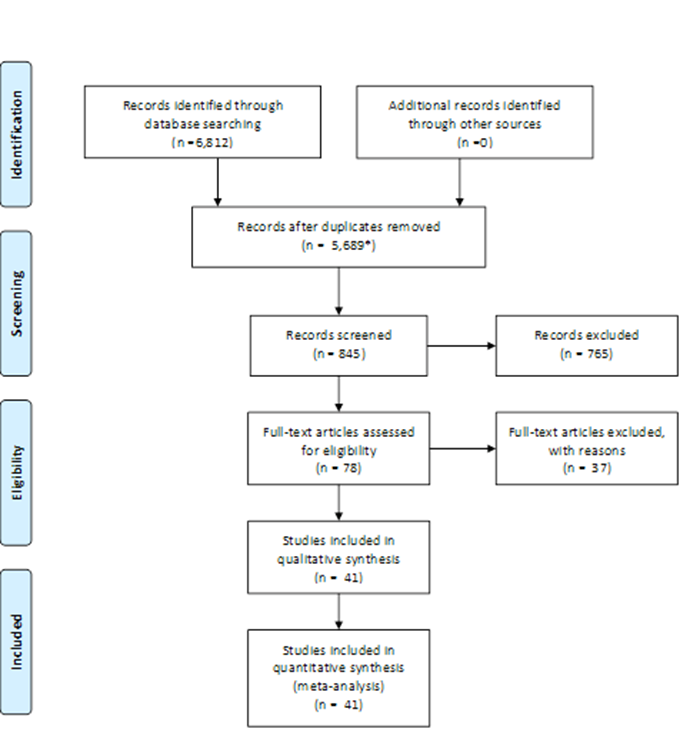
Supplemental Digital Content 6. Evidence tables
| PICOQuestion | Author, Year | Type of Evidence | Study Type | Level of Evidence | Reviewer’s Conclusions |
| 1 | Anderson etal, 20158 | Prognostic | Retrospectivecomparative | Study shows that preoperative does impact postoperativeoutcome. Higher preoperative opioid load (P < .001) and duration of use (P < .001) were positively associated with higher postoperative rates of COT | |
| II | |||||
| 1 | Connolly etal, 20179 | Prognostic | Retrospectivecomparative | II | This study affirms and shows that quartiles of opioid use duration before surgery associated with outcome |
| 1 | Faour et al,201711 | Prognostic | Retrospectivecomparative | II | Affirms, not PRO but RTW. Prolonged preoperative opioid use was a negative predictor of successful RTW status (OR 0.73 [95% CI 0.55-0.98]; P = .04). Answers PICO questions 1and 2 |
| 1 | Harris et al,20206 | Prognostic | Retrospectivecomparative | II | This study concluded that predicted preoperative impacted postoperative factors associated with the highest risk for chronic opioid use were preoperative opioid use (OR 5.7) |
| 1 | Jain et al, 201917 | Prognostic | Retrospective comparative | II | The study affirms. This study includes duration and 3-month opioid-free period/wean. Patients with a preoperative opioid prescription for ≤3 months before a major arthroplasty or a 1- or 2-level lumbar fusion had a similar risk of adverse outcomes as opioid-naïve patients. While >6 months of opioid use was associated with a higher risk of adverse outcomes, a 3-month prescription-free period before the surgery appeared to mitigate this risk for chronic users. Answers PICO questions 1 and 3 |
| 1 | Jain et al, 201812 | Prognostic | Retrospective comparative | II | Preoperative impact outcome: preoperative opioid use among patients who underwent cervical fusion increases complication rates, postoperative opioid usage, health care resource use, and costs |
| 1 | Kalakoti et al, 201816 | Prognostic | Retrospective comparative | II | This study affirms and defines duration defined as Rx within 3 months of surgery. Approximately one-third patients chronically use opioids before lumbar arthrodesis and nearly half of the preoperative OUs will continue to use at 1 year |
| 1 | Karhade etal, 20195 | Prognostic | Retrospective comparative | II | This study confirms the association between preoperative opioid prescription duration with postoperative opioid use, as well as an association between antidepressant use, tobacco use, and Medicaid insurance and postoperative opioid use. The authors also found that longer duration of opioid prescriptions before surgery was associated with postoperative opioid prescriptions. Among opioid-naïve patients, the rate of postoperative opioid prescription was 87 (4.3%). Among patients with <180 days of preoperative opioid prescription, the rate of postoperative opioid prescription was 57 (16.7%) and among patients with >180 days of continuous preoperative opioid prescription, the rate of postoperative opioid prescription was 126 (34.2%) |
| 1 | Karhade etal, 20197 | Prognostic | Retrospective other | II | The study shows that preoperative use impacts duration—the 3 most important predictors were instrumentation, duration of preoperative opioid prescription, and comorbidity of depression |
| 1 | Oleisky et al, 201919 | Prognostic | Retrospective comparative | III | Downgraded because of heterogeneity. Although the PICOs were not the primary aim of the study, it showed the Edlund definition, accounting for duration and dosage, had the highest predictive ability for postoperative opioid use (77.5%), followed by Schoenfeld (75.7%), CDC (72.6%), and Svendsen (59.9%-72.5%) definitions. Answers PICO questions 1 and 2 |
| 1 | Rosenthal et al, 201918 | Prognostic | Retrospective comparative | III | Downgraded because of heterogeneity, affirms duration |
| 1 | Tank et al, 201815 | Prognostic | Retrospective comparative | II | PICO not directly answered; opioid dependence is associated with prolonged length of stay in lumbar fusion, as well as higher costs and higher frequencies of surgical complications |
| 2 | Adogwa et al, 201930 | Prognostic | Retrospective comparative | II | Study affirms, although PICO not directly answered; page E694; preop associated with postop |
| 2 | Adogwa et al, 201931 | Prognostic | Retrospective comparative | II | Study affirms and showed preoperative opioid use associated with prolonged postoperative use |
| 2 | Ahn et al, 201623 | Prognostic | Retrospective comparative | III | Downgraded because of heterogeneity. Study is negative, PICOs are not directly answered; there was no difference in narcotics dependence according to preoperative narcotic utilization (adjusted P = .798; Fig 4C) |
| 2 | Albert et al, 200042 | Prognostic | Retrospective comparativecase series | III | This study was downgraded because of the small population and PICOs were not directly addressed. The study was affirmative. The presence of ≥1 abnormal neurologic findings and significant narcotic use before surgery significantly increased the chance of a patient’s outcome being functional failure |
| 2 | Anderson et al, 200921 | Prognostic | Retrospective comparative | II | Study affirms. This study shows “weak” narcotic use a predictor in subanalysis |
| 2 | Armaghani et al, 201636 | Prognostic | Retrospective comparative | III | Downgraded because of heterogeneity. The study showed diabetes and preoperative opioid use were independent predictors of decreased SF-12 scores, decreased EQ-5D scores, increased ODI or NDI scores, and increased NRS scores (P < .05) |
| 2 | Armaghani et al, 201626 | Prognostic | Retrospective case control | II | The study shows preoperative assessment affects outcomes. Linear regression analysis demonstrated that preoperative opioid use was an independent risk factor for increased donor site pain at 1 and 2 weeks (P < .05) |
| 2 | Armaghani et al, 201428 | Prognostic | Retrospective comparative | II | Downgraded because of heterogeneity. Greater preoperative opioid use before undergoing spine surgery predicts increased immediate postoperative opioid demand and decreased incidence of postoperative opioid independence |
| 2 | Deyo et al, 201820 | Prognostic | Retrospective comparative | II | The study affirms. In multivariable models, the strongest predictor of long-term postoperative use was cumulative preoperative opioid dose (OR 15.47 [95% CI 8.53-28.06] in the highest quartile) |
| 2 | Dunn et al, 201837 | Prognostic | Retrospective comparative | III | Downgraded because of heterogeneity. The study shows an impact, although not directly answering the PICO question |
| 2 | Elsamadicy et al, 201944 | Prognostic | Retrospective comparative | III | Study shows preoperative use of narcotics may impact patient perception of pain and improvement after complex spinal fusions (≥5 levels). This study was downgraded because of heterogeneity, and because smoking and depression were not treated differently statistically |
| 2 | Faour et al, 201711 | Prognostic | Retrospective comparative | II | Affirms, not PRO but RTW. Prolonged preoperative opioid use was a negative predictor of successful RTW status (OR 0.73 [95% CI 0.55-0.98]; P = .04). Answers PICO questions 1 and 2 |
| 2 | Hassan Hashisha et al, 201934 | Prognostic | Prospective comparative | II | This study shows an impact on outcomes. Tramadol abuse before lumbar discectomy was found to be associated with continued tramadol abuse after surgery and worse functional outcomes after surgery |
| 2 | Hills et al, 201938 | Prognostic | Retrospective comparative | III | Study affirms, downgraded because of heterogeneity. High preoperative opioid dosage was only associated with postoperative chronic opioid use (adjusted OR 4.9 [95% CI 3-7.9]) |
| 2 | Hockley et al, 201914 | Prognostic | Retrospective comparative | II | This study affirms using a subanalysis finding that patients who underwent an open TLIF with a history of preoperative opioid use are significantly more likely to remain on opioids at 6-week follow-up (87% vs 65%, P = .027), 3-month follow-up (63% vs 31%, P = .008), and 6-month follow-up (50% vs 21%, P = .018) compared with MIS TLIF |
| 2 | Kalakoti et al, 201927 | Prognostic | Retrospective comparative | II | Study affirms and shows chronic opioid therapy 3 months preoperatively; preoperative chronic opioid therapy is a modifiable risk factor that is strongly associated with prolonged postoperative opioid use |
| 2 | Kanaan et al, 201540 | Prognostic | Retrospective case series | III | The study was downgraded because of heterogeneity. The study did show an impact, although the PICO was not directly addressed. Diagnosis and preoperative use of opioids were the only significant predictors for postoperative leg pain (P = .007 and .042, respectively) in the model with preoperative leg pain intensity controlled (Table 4). Patients with a diagnosis of spondylolisthesis are likely to have 0.62 points (95% CI −0.360 to 1.59) higher leg pain on VAS scale. Patients with preoperative use of opioids are likely to have more leg pain by 0.78 points (95% CI −0.51 to 2.07). The model explained 25.6% of the variation in postoperative leg pain |
| 2 | Kelly et al, 201522 | Prognostic | Retrospective comparative | II | Study is negative and looks at strong vs weak opioids; preoperative opioid strength did not adversely affect outcomes in this analysis |
| 2 | Lall et al, 201829 | Prognostic | Prospectiveother | II | The study affirms. This study was downgraded because follow-up was not reported. The PICO was not directly answered; among preoperative patient characteristics, only preoperative opioid use significantly predicted weeks to opioid cessation (β = 0.466; P = .005) |
| 2 | Lawrence et al, 200825 | Prognostic | Retrospective comparative | II | The study affirms: daily basis for >6 months preoperatively; chronic narcotic use before cervical arthrodesis was found to be associated with continued narcotic use after surgery and worse functional outcomes after surgery |
| 2 | Mesfin et al, 201445 | Prognostic | Retrospective comparative | III | Downgrade because of heterogeneity. The preoperative duration was not noted. These findings differ from other studies. The narcotic group had significantly greater improvements in SRS pain scores vs the no narcotic group |
| 2 | O’Connell et al, 201843 | Prognostic | Retrospective comparative | III | Downgrade because of heterogeneity. This study affirms although, PICO is not directly answered; preoperative opioids |
| 2 | O’Donnell et al, 201833 | Prognostic | Retrospective comparative | II | The study affirms duration |
| 2 | Oleisky et al, 201919 | Prognostic | Retrospective comparative | III | Downgraded because of heterogeneity. Although the PICOs were not the primary aim of the study, it showed the Edlund definition, accounting for duration and dosage, had the highest predictive ability for postoperative opioid use (77.5%), followed by Schoenfeld (75.7%), CDC (72.6%), and Svendsen (59.9% to 72.5%) definitions. Answers PICO questions 1 and 2 |
| 2 | Pugely et al,10 2018 | Prognostic | Retrospective comparative | II | Preoperative is defined as filled rx within 3 months of surgery. Postoperative opioid use fell dramatically during the first 3 months in NOU, but nearly half of the preoperative OUs will remain on narcotics at 1 year postoperatively |
| 2 | Qureshi et al, 201813 | Prognostic | Retrospective comparative | II | The study showed an impact: preoperative narcotic use had the largest effect on odds of postoperative prescription (OR 3.4) |
| 2 | Reid et al, 201924 | Prognostic | Retrospective other | II | This study affirms and shows that increased 30-day opioid utilization was associated with surgery in the prelaw period, preoperative opioid exposure, preoperative benzodiazepine exposure, and number of levels fused (all P < .05). Chronic (>90 day) opioid requirements were associated with preoperative opioid exposure (OR 4.42, P < .001) but not with pre-/postlaw status (P > .05) |
| 2 | Tuna et al, 201835 | Prognostic | Prospective comparative | III | Downgraded because of heterogeneity. Study shows that preoperative impacts postoperative chronic opiate-consuming patients received more morphine within the first 3 postoperative days when compared with non–opioid- consuming patients |
| 2 | Villavicencio et al, 201732 | Prognostic | Retrospective comparative | II | This study was downgraded because follow up was not reported. This study affirms, but PICOs not directly answered. The use of opioid medications to control pain before patients underwent lumbar fusion for degenerative lumbar conditions was associated with less favorable clinical outcomes postoperatively |
| 2 | Wick et al, 201839 | Prognostic | Retrospective comparative | III | The study was downgraded because of heterogeneity. The study does show and impact (affirm). MEQ: the final logistic regression model demonstrated that MCID achievement decreased significantly when mean preoperative MEA dose exceeded 47.8 mg/d, with a 95% credible interval of 29.0-60.0 mg/d |
| 2 | Wright et al, 201941 | Prognostic | Retrospective comparative | III | No preop MEQ or duration or wean. PICO was not the primary aim of the study. The study showed discharge prescription dose exceeding 120 mg/day is independently associated with opioid dependence following spine surgery. The study was downgraded because of heterogeneity |
| 3 | Jain et al, 201917 | Prognostic | Retrospective comparative | II | The study affirms. This study includes duration and 3-month opioid-free period/wean. Patients with a preoperative opioid prescription for ≤3 months before a major arthroplasty or a 1- or 2-level lumbar fusion had a similar risk of adverse outcomes as opioid-naïve patients. While >6 months of opioid use was associated with a higher risk of adverse outcomes, a 3-month prescription-free period before the surgery appeared to mitigate this risk for chronic users. Answers PICO questions 1 and 3 |
CDC, Centers for Disease Control and Prevention; CI, confidence interval; EQ-5D, EuroQol 5D health-related quality of life survey; MCID, minimal clinically important difference; MEA, morphine equianalgesic dose; MEQ, minimum equivalent dose; MIS, minimally invasive; NDI, Neck Disability Index; NOU, non–opioid user; NRS, numeric rating scale; ODI Oswestry Disability Index; OR, odds ratio; OU, opiod user; PICO, patient/population, intervention, comparison, and outcomes; PRO, patient reported outcomes; RTW, return to work; SF-12, Medical Outcomes Study Survey Short Form 12; SRS, Scoliosis Research Society; TLIF, transforaminal lumbar interbody fusion, VAS, visual analog scale.
Congress of Neurological Surgeons Systematic Review and Evidence-based Guidelines for Perioperative Spine: Preoperative Surgical Risk Assessment
Sponsored by: Congress of Neurological Surgeons (CNS) and the Section on Disorders of the Spine and Peripheral Nerves
Endorsement: Reviewed for evidence-based integrity and endorsed by the American Association of Neurological Surgeons (AANS) and Congress of Neurological Surgeons (CNS)
Authors:
James S. Harrop, MD1, Basma Mohamed, MBChB2, Erica F. Bisson, MD, MPH3, Sanjay Dhall, MD4, John Dimar, MD5, Praveen V. Mummaneni, MD, MBA4, Marjorie C. Wang, MD, MPH6, Daniel J. Hoh, MD7
Departmental and institutional affiliations:
1. Department of Neurological Surgery and Department of Orthopedic Surgery, Thomas Jefferson University, Division of Spine and Peripheral Nerve Surgery, Delaware Valley SCI Center, Philadelphia, PA, USA
2. Department of Anesthesiology, University of Florida College of Medicine, Gainesville, FL, USA
3. Clinical Neurosciences Center, University of Utah Health, Salt Lake City, UT, USA
4. Department of Neurosurgery, University of California San Francisco, San Francisco, CA, USA
5. Department of Orthopedics, University of Louisville, Pediatric Orthopedics, Norton Children’s Hospital, Norton Leatherman Spine Center, Louisville, KY, USA
6. Department of Neurosurgery, Medical College of Wisconsin, Wauwatosa, WI, USA
7. Department of Neurosurgery, University of Florida College of Medicine, Gainesville, FL, USA
Corresponding Author contact information:
James S. Harrop, MD, MSHQS
Professor, Depts of Neurological and Orthopedic Surgery
Director, Division of Spine and Peripheral Nerve Surgery
Neurosurgery Director of Delaware Valley SCI Center
Enterprise Director- Quality and Safety
Thomas Jefferson University
909 Walnut Street – third floor
Philadelphia, PA 19107
(215) 955-7000
Keywords: spine, preoperative evaluation, diabetes, tobacco, HbA1c, body mass index
Abbreviations:
BMI: body mass index
HbA1c: hemoglobin A1c
SSI: surgical site infection
ABSTRACT
Background: Patient factors (increased body mass index [BMI], smoking, and diabetes) may impact outcomes after spine surgery. There is a lack of consensus regarding which factors should be screened for and potentially modified preoperatively to optimize outcome.
Objective: The purpose of this evidence-based clinical practice guideline is to determine if preoperative patient factors of diabetes, smoking, and increased BMI impact surgical outcomes.
Methods: A systematic review of the literature for studies relevant to spine surgery was performed using the National Library of Medicine PubMed database and the Cochrane Library. Clinical studies evaluating the impact of diabetes or increased BMI with reoperation and/or surgical site infection (SSI) were selected for review. In addition, the impact of preoperative smoking on patients undergoing spinal fusion was reviewed.
Results: Six hundred ninety-nine articles met inclusion criteria and 64 were included in the systematic review. In patients with diabetes, a preoperative hemoglobin A1c (HbA1c) >7.5 mg/dL is associated with an increased risk of reoperation or infection after spine surgery. The review noted conflicting studies regarding the relationship between increased BMI and SSI or reoperation. Preoperative smoking is associated with increased risk of reoperation (Grade B). There is insufficient evidence that cessation of smoking before spine surgery decreases the risk of reoperation.
Conclusion: This evidence-based guideline provides a Grade B recommendation that diabetic individuals undergoing spine surgery should have a preoperative HbA1c test before surgery and should be counseled regarding the increased risk of reoperation or infection if the level is >7.5 mg/dL. There is conflicting evidence that BMI correlates with greater SSI rate or reoperation rate (Grade I). Smoking is associated with increased risk of reoperation (Grade B) in patients undergoing spinal fusion.
RECOMMENDATIONS
Question:
1. In patients with diabetes undergoing spine surgery, what preoperative diagnostic studies predict increased risk for reoperation or postoperative infection?
Recommendations:
Diabetic individuals undergoing spine surgery should have a preoperative hemoglobin A1C (HbA1c) test before surgery and be counseled regarding the increased risk of reoperation or infection if the level is >7.5 mg/dL.
Strength of Recommendation: Grade B
There was insufficient evidence to support other preoperative diagnostic studies for predicting the risk for reoperation or postoperative infection in patients with diabetes undergoing spine surgery (e.g., preoperative blood glucose levels).
Strength of Recommendation: Grade Insufficient
Question:
2. Is increased body mass index (BMI) associated with increased risk for reoperation or postoperative infection in patients undergoing spine surgery?
Recommendations:
There is conflicting evidence that increased BMI is associated with a greater risk of SSI in patients undergoing spinal surgery. Given the number of studies demonstrating a correlation between a BMI >30 kg/m2 and SSI, particularly with lumbar surgery, the task force recommends that clinicians counsel patients with elevated BMI regarding this possible risk.
Strength of Recommendation: Grade Insufficient
There is conflicting evidence that increased BMI is correlated with an increased risk of reoperation after spinal surgery.
Strength of Recommendation: Grade Insufficient
Question:
3. Is preoperative smoking associated with increased risk of reoperation in patients undergoing spinal fusion surgery? Does preoperative smoking cessation decrease risk of reoperation?
Recommendations:
Individuals undergoing spinal fusion surgery who are active smokers should be counseled regarding the increased risk of reoperation.
Strength of Recommendation: Grade B
There is insufficient evidence that cessation of smoking before spine surgery decreases risk of reoperation, but it is suggested that patients be counseled to abstain from smoking before and after spinal fusion surgery.
Strength of Recommendation: Grade Insufficient
INTRODUCTION
Goals and Rationale
This clinical guideline was created to improve patient care by outlining the appropriate information gathering and decision-making processes involved in the treatment of patients with perioperative spinal disease. Spinal surgical care is provided in many different settings by many different providers. This guideline has been created as an educational tool to guide qualified physicians through a series of diagnostic and treatment decisions in an effort to improve the quality and efficiency of care.
This guideline should not be construed as including all proper methods of care or excluding methods of care reasonably directed to obtaining the same results. The ultimate judgment regarding any specific procedure or treatment must be made in light of all circumstances presented by the patient and the needs and resources particular to the locality or institution.
Objectives
Most spine surgeries are performed electively. This affords the surgeon and the preoperative team the opportunity to evaluate an individual patient for risk factors and to potentially optimize these factors before surgery. Diabetes, obesity, and smoking are 3 prevalent comorbidities that negatively impact health status, increase health care costs,1 and have been implicated in worse outcomes after spine surgery. There is a lack of consensus regarding appropriate screening for these factors and if preoperative modification improves outcome.
One objective of this review is to determine preoperative diagnostic studies that predict increased risk of reoperation or SSI in patients with diabetes. In addition, the published literature was assessed to determine if an increased BMI correlates with an increased risk of reoperation or SSI. Finally, the impact of preoperative smoking and risk of reoperation after spinal fusion was evaluated and if smoking cessation decreases risk.1-4
Methods
The guidelines task force initiated a systematic review of the literature and evidence-based guideline relevant to the preoperative treatment of patients with spinal disorders. Through objective evaluation of the evidence and transparency in the process of making recommendations, this evidence-based clinical practice guideline was developed for the diagnosis and treatment of adult patients with various spinal conditions. These guidelines are developed for educational purposes to assist practitioners in their clinical decision-making processes. Additional information about the methods used in this systematic review is provided below.
Literature Search
The task force members identified search terms/parameter and a medical librarian implemented the literature search, consistent with the literature search protocol (see Supplemental Digital Content 1), using the National Library of Medicine/PubMed database and Embase for the period from 1946 to September 20, 2019, using the search strategies provided in Supplemental Digital Content 1.
Inclusion/Exclusion Criteria
Articles were retrieved and included only if they met specific inclusion/exclusion criteria (Supplemental Digital Content 2). These criteria were also applied to articles provided by guideline task force members who supplemented the electronic database searches with articles from their own files. To reduce bias, these criteria were specified before conducting the literature searches.
Rating Quality of Diagnostic Evidence
The guideline task force used a modified version of the North American Spine Society’s (NASS) evidence-based guideline development methodology. The NASS methodology uses standardized levels of evidence (Supplemental Digital Content 3) and grades of recommendation (Supplemental Digital Content 4) to assist practitioners in easily understanding the strength of the evidence and recommendations within the guidelines. The levels of evidence range from Level I (high quality randomized controlled trial) to Level IV (case series). Grades of recommendation indicate the strength of the recommendations made in the guideline based on the quality of the literature. Levels of evidence have specific criteria and are assigned to studies before developing recommendations. Recommendations are then graded based upon the level of evidence. To better understand how levels of evidence inform the grades of recommendation and the standard nomenclature used within the recommendations, see Supplemental Digital Content 4.
Guideline recommendations were written using a standard language that indicates the strength of the recommendation. “A” recommendations indicate a test or intervention is “recommended”; “B” recommendations “suggest” a test or intervention and “C” recommendations indicate a test or intervention or “is an option.” “I” or “Insufficient Evidence” statements clearly indicate that “there is insufficient evidence to make a recommendation for or against” a test or intervention. Task force consensus statements clearly state that “in the absence of reliable evidence, it is the task force’s opinion that” a test or intervention may be appropriate.
In evaluating studies as to levels of evidence for this guideline, the study design was interpreted as establishing only a potential level of evidence. For example, a therapeutic study designed as a randomized controlled trial would be considered a potential Level I study. The study would then be further analyzed as to how well the study design was implemented and significant shortcomings in the execution of the study would be used to downgrade the levels of evidence for the study’s conclusions (see Supplemental Digital Content 5 for additional information and criteria).
Revision Plans
In accordance with the Institute of Medicine’s standards for developing clinical practice guidelines, the task force will monitor related publications after the release of this document and will revise the entire document and/or specific sections “if new evidence shows that a recommended intervention causes previously unknown substantial harm; that a new intervention is significantly superior to a previously recommended intervention from an efficacy or harms perspective; or that a recommendation can be applied to new populations.”5 In addition, the task force will confirm within 5 years from the date of publication that the content reflects current clinical practice and the available technologies for the evaluation and treatment for patients with perioperative spinal disease.
RESULTS
The initial literature search encompassed terms relevant to all chapters in this guideline series and yielded 6812 abstracts (5689 after duplicates were deleted). After a double-blind review, the literature search yielded 699 abstracts for this question. Task force members reviewed all abstracts yielded by the initial literature search. They identified the literature for full text review and extraction that addressed the clinical questions, in accordance with the literature search protocol (Supplemental Digital Content 1). Task force members identified the best research evidence available to answer the targeted clinical questions. When Level I, II, and or III literature was available to answer specific questions, the task force did not review Level IV studies.
The task force selected 192 full-text articles for full text review. Of these, 128 were rejected for not meeting inclusion criteria or for being off-topic. Sixty-four were included in the systematic review (Supplemental Digital Content 6). There were 5 articles selected for question 1 concerning diabetic preoperative diagnostic tests, and all of these were graded Level II. Question 2 had 54 articles selected where 41 focused on increased BMI and SSI. Thirty were graded Level II and 11 Level III. Sixteen were selected on reoperation with 14 graded Level II and 2 graded Level III). Lastly, 8 articles were chosen for question 3 concerning reoperation risk factors with 6 graded Level II and 2 graded Level III.
DISCUSSION
Question
In patients with diabetes undergoing spine surgery, what preoperative diagnostic studies predict increased risk for reoperation or postoperative infection?
Recommendation
Diabetic individuals undergoing spine surgery should have a preoperative HbA1c test before surgery and be counseled regarding an increased risk of reoperation or infection if the level is >7.5 mg/dL.
Strength of Recommendation: Grade B
There was insufficient evidence to support other preoperative diagnostic studies for predicting the risk for reoperation or postoperative infection in patients with diabetes undergoing spine surgery (e.g., preoperative blood glucose levels).
Strength of Recommendation: Grade Insufficient
There were 5 articles (Level II studies) demonstrating the relationship between increased HbA1c and risk of reoperation or infection after spinal surgery. Cancienne et al6 used preoperative HbA1c levels in patients with diabetes in 3341 anterior cervical diskectomy and fusion patients requiring reoperation. In the series, a significant relationship was observed between increased HbA1c level and reoperation rate (P = .005), where a subanalysis determined the inflection point in the area under the curve of 7.5 mg/dL with a sensitivity of 46% and specificity of 68%. Hikata et al7 performed a retrospective review of 36 patients with diabetes (19 males and 17 females; median age 64.3 years) who underwent thoracic and lumbar spinal fusion over a 6-year period (2005–2011). Diabetics had an overall higher rate of infection (6/36 vs 10/309). There was no difference in infection based on preoperative serum glucose level, but preoperative HbA1c values were significantly higher in patients who developed SSI (7.6 mg/dL) than in those who did not (6.9 mg/dL). The authors defined controlled diabetes as a HbA1c <7.0 mg/dL, and there were no infections in that population compared with 35.3% in patients with HbA1c >7.0 mg/dL.
In a separate analysis, Cancienne et al8 reviewed the effect of HbA1c on 5194 single-level lumbar decompressions and patients with diabetes. The inflection point for infection by HbA1c level was >7.5 mg/dL (P = .01; specificity 70%, sensitivity 53%). In a subanalysis controlled for patient demographics and medical comorbidities, the authors reported that HbA1c >7.5 mg/dL correlated with a higher risk for deep SSI (odds ratio [OR] 2.9 [95% confidence interval {CI} 1.8–4.9, P < .0001). Caputo et al9 analyzed 3138 patients (2005–2010) and found that patients with diabetes had an increased risk for SSI (6.4% vs 3.2%). Perioperative blood glucose levels >140 mg/dL doubled the risk of an SSI (P = .0091). These authors did not identify a correlation with HbA1c measurements preoperatively; however, they used a higher threshold for HbA1c than the other studies (8.0%). Koutsoumbelis et al10 analyzed 3218 patients with posterior lumbar instrumented fusion over 6 years (2000–2006) and reported a postoperative infection rate of 2.6%. Multiple regression analysis noted that diabetes mellitus was a predictor for SSI. Preoperative serum glucose levels did not correlate with SSIs, but there was a significant relationship with higher postoperative glucose levels and the infected group (P < .001).
Question:
Is increased body mass index associated with an increased risk for reoperation or postoperative infection in patients undergoing spine surgery?
Recommendations:
There is conflicting evidence that increased BMI is associated with greater risk of SSI in patients undergoing spinal surgery. Given the number of studies demonstrating a correlation between BMI >30 kg/m2 and SSI, particularly with lumbar surgery, the task force recommends that clinicians counsel patients with elevated BMI regarding this possible risk.
Strength of Recommendation: Grade Insufficient
There is conflicting evidence that increased BMI is correlated with an increased risk of reoperation after spinal surgery
Strength of Recommendation: Grade Insufficient
Lumbar
There were 42 lumbar surgery articles identified assessing increased BMI and SSI. Thity-one of the articles (25 Level II and 6 Level III articles) noted a direct correlation between increased BMI and SSI, while 10 articles (6 Level II and 5 Level III articles) showed no significant difference.
Lumbar Surgery: Studies Showing a Correlation Between Increased BMI and SSI
Most of the lumbar surgery studies were Level II and noted a positive correlation with increased BMI and a higher risk of SSI. Mehta et al11 reported 298 lumbar patients treated at a single institution (2006-2008) where 24 (8%) had postoperative infections. They reported that increased BMI (≥30 kg/m2) correlated with SSI (P = .025). Jain et al12 reviewed 36,440 patients (28,813 patients [79.07%] undergoing lumbar spine surgery) using the American College Surgeons (ACS) NSQIP database. The overall rate of SSI was 0.72% (n = 264). They reported a significant correlation with increased BMI and infection (P < .001) that persisted in multivariate analysis. Wang et al13 reported a posterior lumbar SSI rate of 3.0% (267/8879 cases) and a significant correlation between increased BMI and SSI (P < .0001). De la Garza-Ramos et al14 retrospectively reviewed 732 lumbar fusion patients, 662 (90.44%) nonobese and 70 (9.56%) obese, and showed that increased BMI was associated with increased risk of postoperative SSI (relative risk 3.11 [CI 1.48-6.52]). Li et al15 further reviewed 448 patients undergoing transforaminal interbody fusion (TLIF) and compared SSI risk factors. In univariate analysis, there was a significant correlation with increased BMI (P < .001). Kurtz et al16 reviewed Medicare data with 15,069 primary fusion procedures and 605 revision procedures and noted an SSI rate of 8.5% in primary and 12.2% in revision procedures. Increased BMI was a significant predictor of 10-year infection risk (P < .001). Puvanesarajah et al17 reviewed 48,210 patients ≥65 years of age using Medicare data and noted that increased BMI had a significantly higher OR of wound infection (3.71, P < .0001 and 2.22, P < .0001). Buerba et al18 reviewed 10,387 patients in the ACS NSQIP database and reported that increased BMI correlated with a significantly increased risk of wound complications. Lieber et al19 also reviewed the NSQIP database for 61,079 subjects with 1110 (1.84%) postoperative wound infections and reported a correlation with increased BMI >30 kg/m2. Glassman et al20 pooled 3 large spine surgery databases: the National Neurosurgery Quality and Outcomes Database (N = 2653), DaneSpine 1993, and the Japan Multicenter Spine Database (N = 3798). They reported that increased BMI correlated with an increased risk of SSI (OR 1.07, P < .001).20 Ilyas et al21 reviewed 1592 lumbar surgeries (decompression and fusion) at a single institution and noted a significant correlation between SSI and morbid obesity (OR 6.99 [95% CI 2.65-22.03], P < .001). Ranson et al22 studied the ACS NSQIP database and identified 22,909 patients undergoing posterior lumbar fusion from 2011 to 2014. One thousand eight hundred eighty-one patients (8.2%) had BMI >40 kg/m2 and a direct correlation between increased BMI and wound complication was observed (P < .001). In another single-institution series, Koutsoumbelis et al10 analyzed 3218 patients undergoing posterior lumbar fusion and noted that obesity was the strongest risk factor for postoperative spinal infection in a multivariate regression analysis (OR 6.76 [95% CI 2.91-15.71], P < .001). Klemencsics et al23 examined 817 posterior lumbar surgery patients and 37 patients (4.5%) developed SSI. Their analysis noted a correlation between an increased risk of infection and obesity (relative risk 6.216 [95% CI 1.832-9.338], P = .005).
Two Level III studies also supported a correlation between increased BMI and SSI after lumbar spine surgery. Ee et al24 reported 27 lumbar SSIs that were matched against 162 control subjects without SSI (Class III). The BMI of the noninfected patients was 24.9 ± 3.8 kg/m2 compared with 28.2 ± 6.3 kg/m2 in the infected population (P = .016). Maragakis et al25 performed a case-control study of 104 spinal surgery patients with SSI compared with 104 control subjects without SSI. Multivariate analysis identified obesity (OR 4.0 [95% CI 1.6-10], P < .01) as a risk for SSI.
Lumbar Surgery: Studies Showing No Correlation Between Increased BMI and SSI
Two Level II studies reported no correlation between increased BMI and SSI. Both studies had smaller subject populations and involved anterior surgery, which is associated with an overall lower rate of SSIs than posterior surgery. Adogwa et al26 reported 63 patients (29 obese and 34 nonobese patients) undergoing lateral lumbar interbody fusion for degenerative spine disease (2010-2012). There was no correlation between increased BMI and SSI.26 Rodgers et al27 performed a retrospective review of lateral lumbar interbody fusion for lumbar degenerative disease in 313 patients (156 obese and 157 nonobese patients) and noted no association between increased BMI and SSI.
Three Level III studies did not show an association between SSI and increased BMI. Pereira et al28 reviewed 118 lumbar surgeries performed in 100 patients and noted no correlation between increased BMI and SSI. The 2 additional studies involved minimally invasive surgery approaches, which overall have a low incidence of infections. Goldin and Alander29 reviewed 82 patients who underwent lumbar surgery via various minimally invasive techniques with no significant difference in SSI rate (3 infections in the obese group and none in the control population). Fakouri et al30 reported a smaller series of patients undergoing minimally invasive surgery lumbar discectomy (34 obese and 30 nonobese patients) performed over 3 years and noted that obese patients had 2 superficial infections, but this was not significant.
Multilevel Lumbar or Thoracolumbar Surgery: Studies Showing A Correlation Between Increased BMI and SSI
There were 8 studies with multilevel lumbar or thoracolumbar surgery demonstrating a correlation between increased BMI and SSI (4 Level II studies and 4 Level III studies). Soroceanu et al31 reviewed 175 nonobese and 66 obese patients with adult spinal deformity (ASD). Their regression model noted that obese patients had a higher overall incidence of wound infection (OR 4.88, P = .02). In a retrospective study by Zhang et al,32 153 patients with adult degenerative scoliosis with multilevel spinal fusion and 2 years of follow-up reported an association between an increased risk of infection and elevated BMI (OR 1.11, P = .008). Sing et al33 identified 2536 patients in the ACS-NSQIP database undergoing revision spine surgery and evaluated early (30-day) complications. They found that revision spine surgery and obesity correlated with increased wound complications on multivariate analysis (P = .028).33 Elsamadicy et al34 reviewed 500 patients (281 nonobese and 219 obese patients) undergoing elective spine surgery and reported an association between increased BMI and an increased risk for deep SSI (P = .04).
A study using the NIS database evaluated 244,170 thoracolumbar or lumbar spine fusion patients treated for degenerative disease (1988-2004). The authors reported that patients with morbid obesity (BMI >40 kg/m2) were 70% more likely to have an SSI (P < .01).35 Chin et al36 further reported on 1010 patients, 642 in a hospital setting and 368 in an outpatient setting, where increased BMI >30 kg/m2 was associated with a significant increase in SSI (RR 9.3, P = .005). Pull ter Gunne et al37 performed a retrospective review of 830 adult patients undergoing spinal deformity surgery for kyphosis or scoliosis. SSI occurred in 29 patients (3.5%) and increased BMI was found to be an independent risk factor (P = .014).37 In a case-control study of 55 patients with SSI after spinal surgery and 179 control spine surgery patients, increased BMI was noted as a risk factor for SSI in 32 of 47 (68%) versus 72 of 167 (43%) (OR 2.81 [95% CI 1.41-5.59], P < .003).38
Four studies did not note a correlation between SSI and increased BMI performed in multilevel lumbar or thoracolumbar spine surgery. Two Level II articles both featured cohorts of patients with deformities; 1 included 532 patients where 20 (4%) experienced SSIs.39 The second case-control study by Boston et al38 also reported no correlation in 55 patients who developed SSIs after spinal surgery and 179 control subjects with high BMI. An additional Level III article by Savetti et al40 reported no association between obesity and SSI in 387 spine surgery patients. The fourth article, a Level III article by Elsamadicy et al,41 reviewed 112 ASD patients (BMI >30 kg/m2) undergoing elective complex spinal fusion (>7 levels) for deformity correction and found no correlation with increased BMI and SSI.
Cervical
Three studies demonstrated a correlation (all Level II) between BMI and SSI and 2 did not (both Level II). Jalai et al42 reviewed 3057 patients undergoing surgery for cervical spondylotic myelopathy with an overall infection rate of 1.15 % (35/3057). Logistic regression analysis revealed that SSI correlated with increased BMI (OR 1.162 [95% CI 1.269-1.064], P = .001).42 In a review of patients undergoing posterior cervical spine surgery, 9 of 483 (1.86%) patients had an acute postoperative deep SSI. A significantly higher rate of infection was noted in patients with BMI >30 kg/m2 (OR 4.1 [95% CI 1.5-7.7], P = .005).43 In a study of 5441 posterior cervical surgery patients, 160 patients with SSI (2.94%), a multivariate analysis noted that a BMI >35 kg/m2 (OR 1.78, P = .003) independently correlated with SSI.44
Buerba et al45 used the ACS-NSQIP database from 2005 to 2010 to examine cervical anterior or posterior fusion and did not identify an association with increased BMI and SSI. In addition, Srinivasan et al46 evaluated a smaller series of 69 anterior cervical fusion patients and noted no significant correlation between BMI and SSI, but it should be noted this study was underpowered to detect a difference because of the rare occurrence of anterior cervical infections.
Increased BMI and Risk of Reoperation
There is conflicting evidence regarding the association between increased BMI and reoperation rate, with most studies failing to demonstrate a correlation. There were 12 studies (11 Level II and 1 Level III) that showed no correlation. Specifically, cervical surgery studies (4 Grade II) and thoracolumbar (2 Level II) reported no association of increased BMI and reoperation. Four studies (3 Level II and 1 Level III) did report a correlation between increased BMI and reoperation, with all studies restricted to lumbar surgery.
Lumbar: Increased BMI Does Not Correlate With Increased Risk of Reoperation
Narain et al47 examined 274 patients who had undergone lumbar minimally invasive transforaminal interbody fusion (TLIF) with multivariate Cox proportional hazards survival analysis to evaluate the risk of increased BMI and reoperation. Increased BMI was not associated with undergoing reoperation within 2 years after minimally invasive TLIF (P = .599).47 Gerling et al48 performed a multivariate regression analysis of the 8-year postoperative follow-up from the SPORT trial for spondylolisthesis (406 patients, 72% instrumented, 21% noninstrumented fusion, and 7% decompression alone) and reported no correlation between increased BMI and reoperation. In addition, Leven et al49 analyzed the 8-year postoperative follow-up from a multicenter randomized controlled lumbar discectomy trial and noted a reoperation rate of 15% (691 no reoperation, 119 reoperation) with no correlation between increased BMI and reoperation. Kahn et al50 evaluated 569 patients who had undergone open posterior lumbar spine fusion with 290 (50.97%) BMI <30 kg/m2 (nonobese) and 279 (49.03%) BMI ≥30 kg/m2 (obese). There was no difference in reoperation rates between the 2 groups.50 Owens et al51 reviewed 164 patients in a case-control study (Level III) with 5-year reoperation rate by BMI. There was no correlation between reoperation rate and BMI, stratified into 3 tiers: BMI 20-25 kg/m2 (normal), BMI 25-30 kg/m2 (overweight), and BMI 30-40 kg/m2 (obese).51 Wadhwa et al52 reviewed the National Neurosurgery Quality and Outcomes Database lumbar spine registry and identified 9853 lumbar degenerative surgery patients. They reported a 2% 30-day reoperation rate that did not correlate with increased BMI.52 Kara et al53 retrospectively reviewed 80 lumbar discectomy patients. The authors noted no association between increased BMI and reoperation rates in the 46 patients that had a single operation and the 34 that required a reoperation.53
Lumbar Article: BMI Correlates to Increased Reoperation
Rihn et al54 analyzed the 4-year postoperative follow-up from the SPORT degenerative spondylolisthesis trial and observed twice the reoperation rate at 4 years for patients with BMI ≥30 kg/m2 compared with those with BMI <30 kg/m2 (20% vs 11%, P = .01). Obesity, however, did not negatively impact the overall clinical outcome.54 Bohl et al55 reviewed 226 single-level minimally invasive lumbar discectomy patients and 23 (10.2%) underwent reoperation. The 2-year risk of reoperation was 1.8% for nonobese patients, 12.5% for overweight patients, 9.1% for obese patients, and 25.0% for morbidly obese patients. In the multivariate-adjusted analysis model, increased BMI was independently associated with undergoing reoperation (P = .038).55 Beack et al56 examined 160 patients undergoing primary lumbar discectomy with 24 reoperations (15%) for recurrent disc herniation and noted that a BMI >30 kg/m2 was significantly associated with reoperation (P < .05). A final Level III article by Gaudelli et al57 reported patients with BMI >35 kg/m2 who underwent elective lumbar spine surgery had an increased risk of postsurgical complications, as evidenced by reoperation within 3 months postoperatively (RR 1.73 [95% CI 1.03-2.90]).
Multilevel Lumbar or Thoracolumbar Surgery: Increased BMI Does Not Correlate With Increased Reoperation
Puvanesarajah et al58 appraised 2293 patients with ASD with ≥8 fusion levels. At the 5-year follow-up, 424 (18.5%) patients required reoperation. Multivariate analysis did not identify an association between increased BMI and reoperation.58 Hofler et al59 assessed 148,081 thoracic or lumbar fusion patients. Two thousand six hundred sixty-five (1.8%) patients developed pseudarthrosis and there was no correlation between reoperation and increased BMI.59 There were no thoracic or >2 region articles that noted a positive correlation between increased BMI and reoperation.
Cervical: Increased BMI Does Not Correlate With an Increased Risk of Reoperation
Bovonratwet et al60 evaluated 37,261 patients who had undergone anterior cervical decompression and fusion, reporting an incidence of 0.40% for hematoma requiring reoperation. In this group, there was no correlation between reoperation and increased BMI.60 Narain et al61 retrospectively reviewed primary 1- to 2-level anterior cervical decompression and fusion for degenerative cervical disease. Patients were stratified by BMI: normal weight (<25.0 kg/m2), overweight (25.0-29.9 kg/m2), obese I (30.0-34.9 kg/m2), or obese II-III (≥35.0 kg/m2). No association with reoperation was identified.61 Hofler et al59 further assessed 107,420 cervical fusion patients with 1295 (1.2%) patients undergoing reoperation for pseudarthrosis. There was no correlation between reoperation and increased BMI.59 Overall, there were no cervical articles that noted a positive correlation between increased BMI and reoperation.
Question:
Is preoperative smoking associated with increased risk of reoperation in patients undergoing spinal fusion surgery? Does preoperative smoking cessation decrease risk of reoperation?
Recommendations:
Individuals undergoing spinal fusion surgery who are active smokers should be counseled regarding the increased risk of reoperation.
Strength of Recommendation: Grade B
There is insufficient evidence that cessation of smoking before spine surgery decreases the risk of reoperation, but it is suggested that patients be counseled to abstain from smoking before and after spinal fusion surgery
Strength of Recommendation: Grade Insufficient
In total, there are 8 studies included in the analysis of the effect of smoking on reoperation for patients undergoing spinal fusion surgery. Six studies showed a positive correlation between smoking and reoperation with all 6 being Class II evidence. The literature for cervical spinal fusion demonstrated a consistent association between smoking and reoperation (4 Class II articles).43,59,62,63
Hofler et al59 reviewed the Healthcare Cost and Utilization Project State Inpatient Databases in New York, California, Florida, and Washington for adult patients who had undergone new spinal fusion from 2009 to 2011 to define factors that correlated with pseudarthrosis. Of 107,420 cervical surgery patients, 1295 (1.2%) developed pseudarthrosis. In cervical spine surgery patients, smoking had a significant relationship with the development of a pseudarthrosis (P = .01).59 Lee et al63 performed a retrospective analysis of 1358 cervical spine patients and 94 had a reoperation for adjacent segment pathology. Smoking was associated with an increased risk of reoperation by a factor of 1.75 times (95% CI 1.15-2.67).63 An addition cervical analysis of 1038 primary surgeries noted higher rates of adjacent level pathology in tobacco users.62 Lee et al62 reviewed 1038 anterior cervical diskectomy infusion patients that developed adjacent level disease and noted that smoking was in independent risk factors for reoperation.
Gerling et al48 performed a subanalysis of patients undergoing lumbar fusion from a multicenter randomized controlled trial for lumbar spondylolisthesis. Multivariate analysis identified no correlation between smoking and reoperation at 8 years of follow-up. Hofler et al59 analyzed 148,081 thoracic and lumbar surgeries of which 2665 (1.8%) developed pseudarthrosis. In the thoracolumbar group (P < .001), smoking history demonstrated a significant relationship with pseudarthrosis.59 Macki et al64 reviewed 110 instrumented lumbar fusions and bone morphogenetic protein usage and noted that the tobacco users had a 32% risk of reoperation for pseudoarthrosis, which was significantly greater than nonsmokers (P = .027). However, this effect on reoperation also extended to the nonfusion population. Bydon et al65 reported 500 patients who had undergone primary laminectomy and noted on a multiple logistic regression analysis that tobacco was an independent predictor for reoperation in single level (OR 11.3, P = .02) and multilevel laminectomy (OR 1.98, P = .05).
There were 2 studies that assessed the relationship between smoking and reoperation in patients with adult spinal deformity. Puvanesarajah et al58 reported in a multivariate analysis of 2293 patients an association between history of smoking and increased risk of reoperation (OR 1.37). De la Garza Ramos et al,66 in a series of 1368 patients with adult spinal deformity, also noted a higher reoperation rate among smokers, but this was not statistically significant as well as Grade III.
One study analyzed patients requiring reoperation for SSI after spine surgery. Macki et al67 reviewed 209 instrumented lumbar fusions and tobacco use was the highest predictor of reoperation for SSI (OR 5.75, P = .007).
The literature search did not identify any studies that specifically addressed the question of preoperative smoking cessation and risk of reoperation and that met inclusion and exclusion criteria.
Future Research
This review shows that there are numerous gaps in our knowledge about perioperative spine care. Future research should be focused on how to optimize patients for pending spinal surgical treatments. Specifically, optimal preoperative goals to maximize postoperative outcomes in terms of preoperative weight loss, smoking cessation, and diabetic blood sugar control are needed. In addition, an analysis of timing to initiate these strategies and duration of optimization would enhance patient care.
Conclusions
There remains significant work for preoperative optimization of spine patients. Particularly, defining target goals that patients should meet to reduce perioperative risk and timing of these interventions are needed. There is evidence, however, that patients with preoperative HbA1c level >7.5 mg/dL have an increased risk of postoperative infection and reoperation after spine surgery. Therefore, individuals with diabetes who are undergoing elective degenerative spine surgery should undergo preoperative HbA1c testing before surgery and be counseled regarding the increased risk of reoperation or infection if the level is >7.5 mg/dL (Grade B). There is conflicting evidence regarding increased BMI and SSI rate. Given the preponderance of studies demonstrating a correlation between BMI >30 kg/m2 and increased SSI, it is suggested that patients with elevated BMI should be appropriately preoperatively risk assessed. Finally, preoperative smoking correlates with an increased risk of reoperation in patients undergoing spinal fusion surgery. Preoperative counseling will benefit patients to understand these associated risk factors and care should be directed toward reducing these variables.
Conflicts of Interest
All Guideline Task Force members were required to disclose all potential COIs before beginning work on the guideline, using the COI disclosure form of the AANS/CNS Joint Guidelines Review Committee. The CNS Guidelines Committee and Guideline Task Force Chair reviewed the disclosures and either approved or disapproved the nomination and participation on the task force. The CNS Guidelines Committee and Guideline Task Force Chair may approve nominations of task force members with possible conflicts and restrict the writing, reviewing, and/or voting privileges of that person to topics that are unrelated to the possible COIs. See below for a complete list of disclosures.
| Author | Disclosure |
| Marjorie Wang, MD | Zimmer Biomet, Medtronic, Abbott, ABNS, AANS, JNS Spine Editorial Board |
| James Harrop, MD | Depuy Sysnthesis, Ethician, Globus, Stryker |
| Erica Bisson, MD | PCORI, NREF, MiRvs, nView, Stryker, Medtronic, MiRvs, nView |
| Praveen Mumanneni, MD | AO Spine, NREF, ISSS, Depuy, Globus, Stryker, Spinicity, ISD, Depuy, Thieme Publishers, Springer Publishers, CNS/NPA |
| John Dimar, MD | Medtronic, Depuy, Stryker, Johnson & Johnson, Pfizer, Glaxo-Smith Kline, Eli Lily, Abbot, Hoffman La Roche, Abbie, Pfizer, Norton Hospital, Medtronic, Stryker, SRS & FOSA (2020), JAAOS, Spine, Spinal Deformity, GSJ (Reviewer) |
| Sanjay Dhall, MD | Depuy Synthes, Globus Medical, Great Circle Technologies |
| Daniel Hoh, MD | The Spine Journal Editorial Board, CNS Officer, CNS Foundation Board, JNS Spine Editorial Board, The Spine Journal Editorial Board |
Funding
These evidence-based clinical practice guidelines were funded exclusively by the Congress of Neurological Surgeons and the AANS/CNS Joint Section on Disorders of the Spine and Peripheral Nerves (through a donation to the CNS Foundation), which received no funding from outside commercial sources to support the development of this document.
Disclaimer of Liability
This clinical, systematic, evidence-based clinical practice guideline was developed by a multi-disciplinary physician volunteer taskforce and is provided as an educational tool based on an assessment of the current scientific and clinical information regarding this guideline topic. These guidelines are disseminated with the understanding that the recommendations by the authors and consultants who have collaborated in their development are not meant to replace the individualized care and treatment advice from a patient’s physician(s). If medical advice or assistance is required, the services of a physician should be sought. The proposals contained in these guidelines may not be suitable for use in all circumstances. The choice to implement any particular recommendation contained in these guidelines must be made by a managing physician in light of the situation in each particular patient and on the basis of existing resources.
Acknowledgments
The guidelines task force would like to acknowledge the CNS Guidelines Committee for their contributions throughout the development of the guideline, the AANS/CNS Joint Guidelines Review Committee, the AANS/CNS Joint Section on Disorders of the Spine and Peripheral Nerves for their donation to the CNS Foundation to support this project, as well as the contributions of Kirsten Aquino, contracted project manager for the CNS, Trish Rehring, MPH, Associate Director for Evidence-Based Practice Initiatives for the CNS, Janet Waters, MLS, BSN, RN, for assistance with the literature searches and Kenneth Probst for the cover illustrations. Throughout the review process, the reviewers and authors were blinded from one another. At this time, the guidelines task force would like to acknowledge the following individual peer reviewers for their contributions: Patricia Raksin, MD, Jason Stacy, MD, Neil Majmunder, MD, Yi Lu, MD, Alex Beier, MD, Andrew Carlson, MD, Brandon Rocque, MD, Robert Whitmore, MD, Jay Turner, MD, Owoicho Adogwa, MD
REFERENCES
1. Goetzel RZ, Pei X, Tabrizi MJ, et al. Ten modifiable health risk factors are linked to more than one-fifth of employer-employee health care spending. Health affairs (Project Hope). 2012;31(11):2474-2484.
2. Flegal KM, Carroll MD, Ogden CL, Curtin LR. Prevalence and trends in obesity among US adults, 1999-2008. Jama. 2010;303(3):235-241.
3. Ng M, Freeman MK, Fleming TD, et al. Smoking prevalence and cigarette consumption in 187 countries, 1980-2012. Jama. 2014;311(2):183-192.
4. Steppan CM, Bailey ST, Bhat S, et al. The hormone resistin links obesity to diabetes. Nature. 2001;409(6818):307-312.
5. Ransohoff DF, Pignone M, Sox HC. How to decide whether a clinical practice guideline is trustworthy. Jama. 2013;309(2):139-140.
6. Cancienne JM, Werner BC, Hassanzadeh H, Singla A, Shen FH, Shimer AL. The Association of Perioperative Glycemic Control with Deep Postoperative Infection After Anterior Cervical Discectomy and Fusion in Patients with Diabetes. World neurosurgery. 2017;102:13-17.
7. Hikata T, Iwanami A, Hosogane N, et al. High preoperative hemoglobin A1c is a risk factor for surgical site infection after posterior thoracic and lumbar spinal instrumentation surgery. Journal of orthopaedic science : official journal of the Japanese Orthopaedic Association. 2014;19(2):223-228.
8. Cancienne JM, Werner BC, Chen DQ, Hassanzadeh H, Shimer AL. Perioperative hemoglobin A1c as a predictor of deep infection following single-level lumbar decompression in patients with diabetes. The spine journal : official journal of the North American Spine Society. 2017;17(8):1100-1105.
9. Caputo AM, Dobbertien RP, Ferranti JM, Brown CR, Michael KW, Richardson WJ. Risk factors for infection after orthopaedic spine surgery at a high-volume institution. Journal of surgical orthopaedic advances. 2013;22(4):295-298.
10. Koutsoumbelis S, Hughes AP, Girardi FP, et al. Risk factors for postoperative infection following posterior lumbar instrumented arthrodesis. The Journal of bone and joint surgery American volume. 2011;93(17):1627-1633.
11. Mehta AI, Babu R, Karikari IO, et al. 2012 Young Investigator Award winner: The distribution of body mass as a significant risk factor for lumbar spinal fusion postoperative infections. Spine. 2012;37(19):1652-1656.
12. Jain D, Berven SH, Carter J, Zhang AL, Deviren V. Bariatric surgery before elective posterior lumbar fusion is associated with reduced medical complications and infection. The spine journal : official journal of the North American Spine Society. 2018;18(9):1526-1532.
13. Wang T, Wang H, Yang DL, Jiang LQ, Zhang LJ, Ding WY. Factors predicting surgical site infection after posterior lumbar surgery: A multicenter retrospective study. Medicine. 2017;96(5):e6042.
14. De la Garza-Ramos R, Bydon M, Abt NB, et al. The impact of obesity on short- and long-term outcomes after lumbar fusion. Spine. 2015;40(1):56-61.
15. Li Z, Liu P, Zhang C, et al. Incidence, Prevalence, and Analysis of Risk Factors for Surgical Site Infection After Lumbar Fusion Surgery: >/=2-Year Follow-Up Retrospective Study. World neurosurgery. 2019.
16. Kurtz SM, Lau E, Ong KL, et al. Infection risk for primary and revision instrumented lumbar spine fusion in the Medicare population. Journal of neurosurgery Spine. 2012;17(4):342-347.
17. Puvanesarajah V, Werner BC, Cancienne JM, et al. Morbid Obesity and Lumbar Fusion in Patients Older Than 65 Years: Complications, Readmissions, Costs, and Length of Stay. Spine. 2017;42(2):122-127.
18. Buerba RA, Fu MC, Gruskay JA, Long WD, 3rd, Grauer JN. Obese Class III patients at significantly greater risk of multiple complications after lumbar surgery: an analysis of 10,387 patients in the ACS NSQIP database. The spine journal : official journal of the North American Spine Society. 2014;14(9):2008-2018.
19. Lieber B, Han B, Strom RG, et al. Preoperative Predictors of Spinal Infection within the National Surgical Quality Inpatient Database. World neurosurgery. 2016;89:517-524.
20. Glassman S, Carreon LY, Andersen M, et al. Predictors of Hospital Readmission and Surgical Site Infection in the United States, Denmark, and Japan: Is Risk Stratification a Universal Language? Spine. 2017;42(17):1311-1315.
21. Ilyas H, Golubovsky JL, Chen J, Winkelman RD, Mroz TE, Steinmetz MP. Risk factors for 90-day reoperation and readmission after lumbar surgery for lumbar spinal stenosis. Journal of Neurosurgery: Spine. 2019;31(1):20-26.
22. Ranson WA, Cheung ZB, Di Capua J, et al. Risk Factors for Perioperative Complications in Morbidly Obese Patients Undergoing Elective Posterior Lumbar Fusion. Global spine journal. 2018;8(8):795-802.
23. Klemencsics I, Lazary A, Szoverfi Z, Bozsodi A, Eltes P, Varga PP. Risk factors for surgical site infection in elective routine degenerative lumbar surgeries. The spine journal : official journal of the North American Spine Society. 2016;16(11):1377-1383.
24. Ee WW, Lau WL, Yeo W, Von Bing Y, Yue WM. Does minimally invasive surgery have a lower risk of surgical site infections compared with open spinal surgery? Clinical orthopaedics and related research. 2014;472(6):1718-1724.
25. Maragakis LL, Cosgrove SE, Martinez EA, Tucker MG, Cohen DB, Perl TM. Intraoperative fraction of inspired oxygen is a modifiable risk factor for surgical site infection after spinal surgery. Anesthesiology. 2009;110(3):556-562.
26. Adogwa O, Farber SH, Fatemi P, et al. Do obese patients have worse outcomes after direct lateral interbody fusion compared to non-obese patients? Journal of clinical neuroscience : official journal of the Neurosurgical Society of Australasia. 2016;25:54-57.
27. Rodgers WB, Cox CS, Gerber EJ. Early complications of extreme lateral interbody fusion in the obese. Journal of spinal disorders & techniques. 2010;23(6):393-397.
28. Pereira BJ, de Holanda CV, Ribeiro CA, et al. Impact of body mass index in spinal surgery for degenerative lumbar spine disease. Clinical neurology and neurosurgery. 2014;127:112-115.
29. Goldin AN, Alander DH. Effect of body mass index on early outcomes of minimally invasive degenerative lumbar surgery. Journal of surgical orthopaedic advances. 2015;24(1):12-17.
30. Fakouri B, Stovell MG, Allom R. A Comparative Cohort Study of Lumbar Microdiscectomy in Obese and Nonobese Patients. Journal of spinal disorders & techniques. 2015;28(6):E352-357.
31. Soroceanu A, Burton DC, Diebo BG, et al. Impact of obesity on complications, infection, and patient-reported outcomes in adult spinal deformity surgery. Journal of Neurosurgery: Spine. 2015;23(5):656-664.
32. Zhang XN, Sun XY, Hai Y, Meng XL, Wang YS. Incidence and risk factors for multiple medical complications in adult degenerative scoliosis long-level fusion. Journal of clinical neuroscience : official journal of the Neurosurgical Society of Australasia. 2018;54:14-19.
33. Sing DC, Yue JK, Metz LN, et al. Obesity Is an Independent Risk Factor of Early Complications After Revision Spine Surgery. Spine. 2016;41(10):E632-640.
34. Elsamadicy AA, Adogwa O, Vuong VD, et al. Patient Body Mass Index is an Independent Predictor of 30-Day Hospital Readmission After Elective Spine Surgery. World neurosurgery. 2016;96:148-151.
35. Shamji MF, Parker S, Cook C, Pietrobon R, Brown C, Isaacs RE. Impact of body habitus on perioperative morbidity associated with fusion of the thoracolumbar and lumbar spine. Neurosurgery. 2009;65(3):490-498; discussion 498.
36. Chin KR, Pencle FJR, Packer CF, et al. Incidence and risk analysis of surgical site infection in spine surgery patients in an outpatient versushospital cohort. West Indian Medical Journal. 2017;66(3).
37. Pull ter Gunne AF, van Laarhoven CJ, Cohen DB. Incidence of surgical site infection following adult spinal deformity surgery: an analysis of patient risk. European spine journal : official publication of the European Spine Society, the European Spinal Deformity Society, and the European Section of the Cervical Spine Research Society. 2010;19(6):982-988.
38. Boston KM, Baraniuk S, O’Heron S, Murray KO. Risk factors for spinal surgical site infection, Houston, Texas. Infection control and hospital epidemiology. 2009;30(9):884-889.
39. Fanous AA, Kolcun JPG, Brusko GD, et al. Surgical Site Infection as a Risk Factor for Long-Term Instrumentation Failure in Patients with Spinal Deformity: A Retrospective Cohort Study. World neurosurgery. 2019.
40. Salvetti DJ, Tempel ZJ, Goldschmidt E, et al. Low preoperative serum prealbumin levels and the postoperative surgical site infection risk in elective spine surgery: a consecutive series. Journal of neurosurgery Spine. 2018;29(5):549-552.
41. Elsamadicy AA, Camara-Quintana J, Kundishora AJ, et al. Reduced Impact of Obesity on Short-Term Surgical Outcomes, Patient-Reported Pain Scores, and 30-Day Readmission Rates After Complex Spinal Fusion (>/=7 Levels) for Adult Deformity Correction. World neurosurgery. 2019;127:e108-e113.
42. Jalai CM, Worley N, Poorman GW, Cruz DL, Vira S, Passias PG. Surgical site infections following operative management of cervical spondylotic myelopathy: prevalence, predictors of occurence, and influence on peri-operative outcomes. European spine journal : official publication of the European Spine Society, the European Spinal Deformity Society, and the European Section of the Cervical Spine Research Society. 2016;25(6):1891-1896.
43. Pahys JM, Pahys JR, Cho SK, et al. Methods to decrease postoperative infections following posterior cervical spine surgery. The Journal of bone and joint surgery American volume. 2013;95(6):549-554.
44. Sebastian A, Huddleston P, 3rd, Kakar S, Habermann E, Wagie A, Nassr A. Risk factors for surgical site infection after posterior cervical spine surgery: an analysis of 5,441 patients from the ACS NSQIP 2005-2012. The spine journal : official journal of the North American Spine Society. 2016;16(4):504-509.
45. Buerba RA, Fu MC, Grauer JN. Anterior and posterior cervical fusion in patients with high body mass index are not associated with greater complications. The spine journal : official journal of the North American Spine Society. 2014;14(8):1643-1653.
46. Srinivasan D, La Marca F, Than KD, Patel RD, Park P. Perioperative characteristics and complications in obese patients undergoing anterior cervical fusion surgery. Journal of clinical neuroscience : official journal of the Neurosurgical Society of Australasia. 2014;21(7):1159-1162.
47. Narain AS, Hijji FY, Bohl DD, Yom KH, Kudaravalli KT, Singh K. Is Body Mass Index a Risk Factor for Revision Procedures After Minimally Invasive Transforaminal Lumbar Interbody Fusion? Clinical spine surgery. 2018;31(1):E85-e91.
48. Gerling MC, Leven D, Passias PG, et al. Risk Factors for Reoperation in Patients Treated Surgically for Degenerative Spondylolisthesis: A Subanalysis of the 8-year Data From the SPORT Trial. Spine. 2017;42(20):1559-1569.
49. Leven D, Passias PG, Errico TJ, et al. Risk Factors for Reoperation in Patients Treated Surgically for Intervertebral Disc Herniation: A Subanalysis of Eight-Year SPORT Data. The Journal of bone and joint surgery American volume. 2015;97(16):1316-1325.
50. Khan JM, Basques BA, Kunze KN, et al. Does obesity impact lumbar sagittal alignment and clinical outcomes after a posterior lumbar spine fusion? European spine journal : official publication of the European Spine Society, the European Spinal Deformity Society, and the European Section of the Cervical Spine Research Society. 2019.
51. Owens RK, 2nd, Djurasovic M, Onyekwelu I, Bratcher KR, McGraw KE, Carreon LY. Outcomes and revision rates in normal, overweight, and obese patients 5 years after lumbar fusion. The spine journal : official journal of the North American Spine Society. 2016;16(10):1178-1183.
52. Wadhwa RK, Ohya J, Vogel TD, et al. Risk factors for 30-day reoperation and 3-month readmission: analysis from the Quality and Outcomes Database lumbar spine registry. Journal of neurosurgery Spine. 2017;27(2):131-136.
53. Kara B, Tulum Z, Acar U. Functional results and the risk factors of reoperations after lumbar disc surgery. European spine journal : official publication of the European Spine Society, the European Spinal Deformity Society, and the European Section of the Cervical Spine Research Society. 2005;14(1):43-48.
54. Rihn JA, Radcliff K, Hilibrand AS, et al. Does obesity affect outcomes of treatment for lumbar stenosis and degenerative spondylolisthesis? Analysis of the Spine Patient Outcomes Research Trial (SPORT). Spine. 2012;37(23):1933-1946.
55. Bohl DD, Ahn J, Mayo BC, et al. Does Greater Body Mass Index Increase the Risk for Revision Procedures Following a Single-Level Minimally Invasive Lumbar Discectomy? Spine. 2016;41(9):816-821.
56. Beack JY, Chun HJ, Bak KH, Choi KS, Bae IS, Kim KD. Risk Factors of Secondary Lumbar Discectomy of a Herniated Lumbar Disc after Lumbar Discectomy. Journal of Korean Neurosurgical Society. 2019;62(5):586-593.
57. Gaudelli C, Thomas K. Obesity and early reoperation rate after elective lumbar spine surgery: a population-based study. Evidence-based spine-care journal. 2012;3(2):11-16.
58. Puvanesarajah V, Shen FH, Cancienne JM, et al. Risk factors for revision surgery following primary adult spinal deformity surgery in patients 65 years and older. Journal of neurosurgery Spine. 2016;25(4):486-493.
59. Hofler RC, Swong K, Martin B, Wemhoff M, Jones GA. Risk of Pseudoarthrosis After Spinal Fusion: Analysis From the Healthcare Cost and Utilization Project. World neurosurgery. 2018;120:e194-e202.
60. Bovonratwet P, Fu MC, Tyagi V, et al. Incidence, Risk Factors, and Clinical Implications of Postoperative Hematoma Requiring Reoperation Following Anterior Cervical Discectomy and Fusion. Spine. 2019;44(8):543-549.
61. Narain AS, Hijji FY, Haws BE, et al. Impact of body mass index on surgical outcomes, narcotics consumption, and hospital costs following anterior cervical discectomy and fusion. Journal of neurosurgery Spine. 2018;28(2):160-166.
62. Lee JC, Lee SH, Peters C, Riew KD. Adjacent segment pathology requiring reoperation after anterior cervical arthrodesis: the influence of smoking, sex, and number of operated levels. Spine. 2015;40(10):E571-577.
63. Lee JC, Lee SH, Peters C, Riew KD. Risk-factor analysis of adjacent-segment pathology requiring surgery following anterior, posterior, fusion, and nonfusion cervical spine operations: survivorship analysis of 1358 patients. The Journal of bone and joint surgery American volume. 2014;96(21):1761-1767.
64. Macki M, Syeda S, Rajjoub KR, et al. The Effect of Smoking Status on Successful Arthrodesis After Lumbar Instrumentation Supplemented with rhBMP-2. World neurosurgery. 2017;97:459-464.
65. Bydon M, Macki M, De la Garza-Ramos R, et al. Smoking as an independent predictor of reoperation after lumbar laminectomy: a study of 500 cases. Journal of neurosurgery Spine. 2015;22(3):288-293.
66. De La Garza Ramos R, Goodwin CR, Qadi M, et al. Impact of Smoking on 30-day Morbidity and Mortality in Adult Spinal Deformity Surgery. Spine. 2017;42(7):465-470.
67. Macki M, Uzosike A, Kerezoudis P, Bydon A, Bydon M, Gokaslan ZL. Duration of indwelling drain following instrumented posterolateral fusion of the lumbar spine does not predict surgical site infection requiring reoperation. Journal of clinical neuroscience : official journal of the Neurosurgical Society of Australasia. 2017;40:44-48.
Supplemental Digital Content 1. Literature searches
See Chapter 1: Congress of Neurological Surgeons Systematic Review and Evidence-Based Practice Guidelines for Perioperative Spine: Preoperative Opioid Evaluation for details on full PubMed and EMBASE search terms.
Supplemental Digital Content 2. Inclusion Criteria
Articles that do not meet the following criteria, for the purposes of this evidence-based clinical practice guideline, were excluded. To be included as evidence in the guideline, an article had to be a report of a study that:
• Investigated patients with cervical spine surgery, thoracic spine surgery, and lumbar spine surgery;
• Excluded patients with tumor, trauma, or infections;
• Included patients ≥18 years of age;
• Were studies that enrolled ≥80% of cervical spine surgery, thoracic spine surgery, and lumbar spine surgery (we include studies with mixed patient populations if they report results separately for each group/patient population);
• Was a full article report of a clinical study;
• Was not a medical records review, meeting abstract, historical article, editorial, letter, or commentary;
• Appeared in a peer-reviewed publication or a registry report;
• Enrolled a minimum of 20 patients;
• Was of humans;
• Was published in or after 1946;
• Quantitatively presented results;
• Was not an in vitro study;
• Was not a biomechanical study;
• Was not performed on cadavers;
• Was published in English;
• Was not a systematic review, meta-analysis, or guideline developed by others.
Systematic reviews or meta-analyses conducted by others, or guidelines developed by others were not included as evidence to support this review due to the differences in article inclusion/exclusion criteria specified compared with the criteria specified by the Guidelines Task Force. Although these articles were not included as evidence to support the review, these articles were recalled for full-text review for the Guidelines Task Force to conduct manual searches of the bibliographies.
Supplemental Digital Content 3.
Criteria grading the evidence
The task force used the criteria provided below to identify the strengths and weaknesses of the studies included in this guideline. Studies containing deficiencies were downgraded 1 level (no further downgrading allowed, unless so severe that study had to be excluded). Studies with no deficiencies based on study design and contained clinical information that dramatically altered current medical perceptions of topic were upgraded.
1. Baseline study design (i.e., therapeutic, diagnostic, prognostic) determined to assign initial level of evidence.
2. Therapeutic studies reviewed for following deficiencies:
• Failure to provide a power calculation for a randomized controlled trial (RCT);
• High degree of variance or heterogeneity in patient populations with respect to presenting diagnosis/demographics or treatments applied;
• Less than 80% of patient follow-up;
• Failure to utilize validated outcomes instrument;
• No statistical analysis of results;
• Crossover rate between treatment groups of greater than 20%;
• Inadequate reporting of baseline demographic data;
• Small patient cohorts (relative to observed effects);
• Failure to describe method of randomization;
• Failure to provide flowchart following patients through course of study (RCT);
• Failure to account for patients lost to follow-up;
• Lack of independent post-treatment assessment (e.g., clinical, fusion status, etc.);
• Utilization of inferior control group:
• Historical controls
• Simultaneous application of intervention and control within same patient
• Failure to standardize surgical/intervention technique;
• Inadequate radiographic technique to determine fusion status (e.g., static radiographs for instrumented fusion).
3. Methodology of diagnostic studies reviewed for following deficiencies:
• Failure to determine specificity and sensitivity;
• Failure to determine inter- and intraobserver reliability;
• Failure to provide correlation coefficient in the form of kappa values.
4. Methodology of prognostic studies reviewed for following deficiencies:
• High degree of variance or heterogeneity in patient populations with respect to presenting diagnosis/demographics or treatments applied;
• Failure to appropriately define and assess independent and dependent variables (e.g., failure to use validated outcome measures when available).
Rating evidence quality. Levels of evidence for primary research questiona
| Types of Studies |
| Therapeutic studies: Investigating the results of treatment | Prognostic studies: Investigating the effect of a patient characteristic on the outcome of disease | Diagnostic studies: Investigating a diagnostic test | Economic and decision analyses: Developing an economic or decision model | |
| Level I | · High-quality randomized trial with statistically significant difference or no statistically significant difference but narrow confidence intervals· Systematic reviewb of Level I RCTs (and study results were homogeneousc) | · High-quality prospective studyd (all patients were enrolled at the same point in their disease with ≥80% follow-up of enrolled patients)· Systematic reviewb of Level I studies | · Testing of previously developed diagnostic criteria on consecutive patients (with universally applied reference gold standard)· Systematic reviewb of Level I studies | · Sensible costs and alternatives; values obtained from many studies with multiway sensitivity analyses· Systematic reviewb of Level I studies |
| Level II | · Lesser quality RCT (e.g., <80% follow-up, no blinding, or improper randomization)· Prospectived comparative studye· Systematic reviewb of Level II studies or Level I studies with inconsistent results | · Retrospectivef study· Untreated control subjects from an RCT· Lesser quality prospective study (e.g., patients enrolled at different points in their disease or <80% follow-up)· Systematic reviewb of Level II studies | · Development of diagnostic criteria on consecutive patients (with universally applied reference criterion standard)· Systematic reviewb of Level II studies | · Sensible costs and alternatives; values obtained from limited studies with multiway sensitivity analyses· Systematic reviewb of Level II studies |
| Level III | · Case control studyg· Retrospectivef comparative studye· Systematic reviewb of Level III studies | · Case control studyg | · Study of nonconsecutive patients without consistently applied reference criterion standard· Systematic reviewb of Level III studies | · Analyses based on limited alternatives and costs and poor estimates· Systematic reviewb of Level III studies |
| Level IV | Case seriesh | Case series | · Case-control study· Poor reference standard | · Analyses with no sensitivity analyses |
RCT, randomized controlled trial.
aA complete assessment of quality of individual studies requires critical appraisal of all aspects of the study design.
bA combination of results from ≥2 previous studies.
cStudies provided consistent results.
dStudy was started before the first patient enrolled.
ePatients treated one way (e.g., instrumented arthrodesis) compared with a group of patients treated in another way (e.g., uninstrumented arthrodesis) at the same institution.
fStudy was started after the first patient enrolled.
gPatients identified for the study based on their outcome, called “cases” (e.g., pseudoarthrosis) are compared with those who did not have outcome, called “controls” (e.g., successful fusion).
hPatients treated one way with no comparison group of patients treated in another way.
Supplemental Digital Content 4. Linking levels of evidence to grades of recommendation
| Grade of Recommendation | Standard Language | Levels of Evidence |
| A | Recommended | ≥2 consistent Level I studies | |
| B | Suggested | One Level I study with additional supporting Level II or III studies | ≥2 consistent Level II or III studies |
| C | Is an option | One Level I, II, or III study with supporting Level IV studies | ≥2 consistent Level IV studies |
| I (insufficient or conflicting evidence) | Insufficient evidence to make recommendation for or against | A single Level I, II, III, or IV study without other supporting evidence | ≥1 study with inconsistent findings* |
*Note that in the presence of multiple consistent studies, and a single outlying, inconsistent study, the grade of recommendation will be based on the level of the consistent studies.
Supplemental Digital Content 5. PRISMA Flowchart
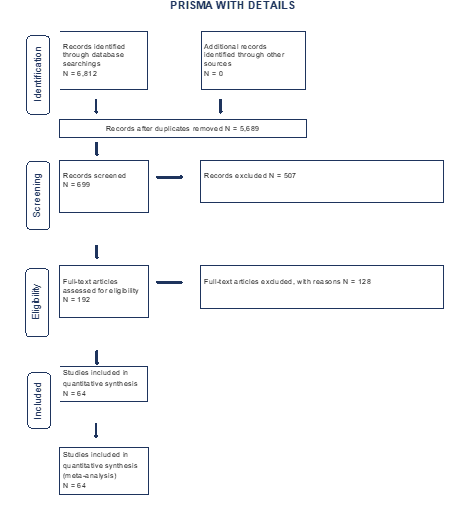
This flow chart will, where appropriate, also document articles not identified by literature searches but, rather, were supplied by Guideline Committee members.
Supplemental Digital Content 6. Evidence table
| PICO Question | Author, Year | Type of Evidence | Study Type | Level of Evidence | Reviewer’s Conclusions |
| 1 | Cancienne et al., 20178 | Prognostic | Retrospective case series | III | The study used preoperative HbA1c levels in patients with diabetes in 3341 anterior cervical diskectomy and fusion patients requiring reoperation. In the series, a significant relationship was observed between increased HbA1c level and reoperation rate (P = .005), where a subanalysis determined the inflection point in the area under the curve of 7.5 mg/dL with a sensitivity of 46% and specificity of 68% |
| 1 | Cancienne et al., 20176 | Diagnostic | Retrospective case series | II | The study looked at HbA1c on 5194 single-level lumbar decompressions and patients with diabetes. The inflection point for infection by HbA1c level was >7.5 mg/dL (P = .01, specificity 70%, sensitivity 53%). In a subanalysis controlled for patient demographics and medical comorbidities, the authors reported that HbA1c level >7.5 mg/dL correlated with a higher risk for deep SSI (OR 2.9 [95% CI 1.8-4.9], P < .0001) |
| 1 | Caputo et al., 20139 | Prognostic | Retrospective case series | II | The study analyzed 3138 patients (2005-2010) and illustrated that patients with diabetes had an increased risk for SSI (6.4% vs 3.2%) |
| 1 | Hikata et al., 20147 | Prognostic | Retrospective case series | II | Study supports HbA1c as a preoperative laboratory test to define risks of SSI. Patients with diabetes whose blood glucose levels were poorly controlled before surgery were at high risk for SSI. To prevent SSI in patients with diabetes, we recommend lowering the HbA1c to <7.0% before performing surgery |
| 1 | Koutsoumbelis et al., 201110 | Prognostic | Retrospective case control | II | Negates PICO questions 1. Review of 3218 patients who underwent posterior lumbar instrumented arthrodesis noted no correlation of preoperative blood glucose levels to SSI |
| 2 | Adogwa et al., 201626 | Prognostic | Retrospective case series | II | Study finds no difference between obese and nonobese in terms of wound infection |
| 2 | Beack et al., 201956 | Prognostic | Retrospective case series | II | BMI >30 kg/m2 was considered obese and was significantly related with herniated lumbar disc revision (P < .05). Obese patients were at 1.2-times higher risk for revision than were nonobese patients (OR 1.20 [95% CI 1.06-1.37]). Patients with high BMI or severe disc degeneration should be informed of herniated lumbar disc revision |
| 2 | Bohl et al., 201655 | Prognostic | Retrospective Case Series | II | Study found high BMI is an independent risk factor for revision procedure after lumbar decompression |
| 2 | Boston et al., 200938 | Prognostic | Retrospective case series | III | The presence of comorbidities and increased surgical duration are risks for postoperative infection. However, increased infection did not correlate with increased revision or reoperation rate |
| 2 | Bovonratwet et al., 201960 | Prognostic | Retrospective case series | II | Study shows low BMI correlated with reoperation |
| 2 | Buerba et al., 201445 | Prognostic | Retrospective case series | II | The study negates high BMI, regardless of obesity class, does not appear to be associated with increased complications after cervical fusion in the 30-day postoperative period. No difference in the incidence of wound complications or rate of return to the OR in obese patients compared with nonobese |
| 2 | Buerba et al., 201418 | Prognostic | Retrospective case series | II | The study affirms high BMI correlates with SSI. Reviewed 10,387 patients in the ACS NSQIP database and reported increased BMI correlated with a significantly increased risk of wound complications |
| 2 | Chin et al., 201736 | Prognostic | Retrospective case series | III | Reported on 1010 patients, 642 in a hospital setting and 368 in an outpatient setting, where increased BMI >30 kg/m2 was associated with a significant increase in SSI (P = .005; RR 9.3). Modifiable risk factors for SSI are smoking and BMI, in addition to the number of levels necessary for operation. BMI >30 kg/m2 had a RR of 9.3 (95% CI 2.65-32.41), P = .005 for SSI. High degree of variance/heterogeneity of treatment and patient population. Variables not defined (e.g., failure to use validated outcomes) |
| 2 | De la Garza-Ramos et al., 201666 | Prognostic | Retrospective case series | II | The study retrospectively reviewed 732 lumbar fusion patients 662 (90.44%) nonobese and 70 (9.56%) obese and showed that increased BMI was associated with increased risk of postoperative SSI (RR 3.11 [95% CI 1.48-6.52]). BMI is a risk factor for SSI for lumbar surgery |
| 2 | De la Garza-Ramos et al., 201514 | Prognostic | Retrospective case control | II | This study affirms for SSI but negates for wound dehiscence |
| 2 | Ee et al., 201424 | Prognostic | Retrospective case series | III | The study finds BMI (OR 1.2 [95% CI 1.0-1.3]; P = .010) were predictive of an increased risk in SSI |
| 2 | Elsamadicy et al., 201634 | Prognostic | Retrospective case series | II | The study looked at 500 patients (281 nonobese and 219 obese) undergoing elective spine surgery and reported an association between increased BMI and increased risk for deep SSI (P = .04) |
| 2 | Elsamadicy et al., 201941 | Prognostic | Retrospective case series | II | Study negates PICO 2. A review of 112 ASD patients (BMI >30 kg/m2) undergoing elective complex spinal fusion (>7 levels) for deformity correction and found no correlation with increased BMI and SSI |
| 2 | Fakouri et al., 201530 | Prognostic | Retrospective case series | II | Study reported a smaller series of patients undergoing MIS lumbar discectomy (34 obese and 30 nonobese) performed over 3 years. Obese patients had 2 superficial infections, but this was not significant in this small series |
| 2 | Fanous et al., 201939 | Prognostic | Retrospective case series | II | This study negates PICO 2. There was no association of BMI with SSI. 532 thoracolumbar scoliotic deformity patients with 20 (4%) experiencing SSI. Diabetes mellitus is the only demographic risk factor associated with risk of SSI. No association with BMI |
| 2 | Gaudelli et al., 201257 | Prognostic | Retrospective case series | III | This study affirms that obese (BMI >35 kg/m2) had higher risk for reoperation. Downgraded because of limited methodology details and heterogeneity. 101 subjects (3%) required reoperation in the 3 months after elective lumbar spine surgery. The obese group had a statistically significant higher reoperation rate compared with the non-obese group (4.8% vs 2.8%). This corresponds to RR of 1.73 (95% CI 1.03-2.90) |
| 2 | Gerling et al., 201748 | Prognostic | Retrospective case series | II | This study negates PICO 2 in that there was no association with reoperation and BMI for degenerative spondylolisthesis patients. The incidence of reoperation for degenerative spondylolisthesis patients was 22% at 8 years after surgery. Patients with a history of no neurogenic claudication and patients taking antidepressants were more likely to undergo reoperation. Patients who were smokers, diabetics, obese, or on worker’s compensation were not at greater risk for reoperation |
| 2 | Glassman et al., 201720 | Prognostic | Retrospective case control | III | This study affirms PICO 2 that there is an association between BMI and SSI. Control matched study of 94 diabetics (51 NIDDM, 43 IDDM) and 43 controls matched for age, sex, and lumbar fusion procedure. There was a correlation of increased BMI and SSI |
| 2 | Goldin et al., 201529 | Prognostic | Retrospective case series | III | This study negates PICO 2 and was downgraded because of heterogeneity, inclusion population is not well defined, and the procedures are not identified. The study has no statistically significant difference in SSIs |
| 2 | Hofler et al., 201859 | Prognostic | Retrospective case series | II | The study negates PICO 3. 107,420 cervical fusion patients where 1295 (1.2%) developed pseudoarthrosis requiring reoperation. On multivariable analysis, no association with obesity. For thoracic or lumbar fusion, 2665 (1.8%) developed pseudoarthrosis and no association with BMI |
| 2 | Ilyas et al., 201921 | Prognostic | Retrospective case series | II | This study affirms PICO 2. BMI morbid obesity (OR 6.99 [95% CI 2.65-22.03], P < .001) was associated with SSI |
| 2 | Jain et al., 201812 | Prognostic | Retrospective case control | III | The study affirms evaluating and intervention not a risk factor and was downgraded because of heterogeneous population |
| 2 | Jalai et al., 201642 | Prognostic | Retrospective case control | II | The study affirms PICO 2 that obesity is associated with higher rates of SSI. SSI rate was 1.15%, and high BMI was a predictor of infection in the surgical cervical spondylitis myelopathy |
| 2 | Kara et al., 200553 | Prognostic | Prospective case series | II | Study negates PICO, it found that high BMI was not a risk factors for reoperation after lumbar disc surgery. The logistic regression analysis demonstrated that the lack of regular physical exercise was the only a significant predictor (OR 4.595 [95% CI 1.38-15.28]), whereas gender, age, BMI, occupation, or smoking did not |
| 2 | Khan et al., 201950 | Prognostic | Retrospective case series | II | Study negates PICO 2 since found no difference among the groups in terms of BMI and SSI. Retrospective review of 569 obese and nonobese patients following open PLSF found no correlation with obesity and infection or reoperation |
| 2 | Klemencsics et al., 201623 | Prognostic | Retrospective case control | II | Affirms PICO 2, 1030 lumbar spine degenerative patients where a higher BMI predisposed patients to increased risk for SSI |
| 2 | Koutsoumbelis et al., 201110 | Prognostic | Retrospective case series | II | Affirms PICO 2. Review of 3218 patients who underwent posterior lumbar instrumented arthrodesis noted obesity and a history of chronic obstructive pulmonary disease were the strongest risk factors for postoperative spinal infection after adjusting for all other variables |
| 2 | Kurtz et al., 201216 | Prognostic | Retrospective case series | II | The study affirms PICO question 2. The study reviewed 15,069 patients with primary fusion procedures and 605 with revision of instrumented lumbar fusion. Noted a predictor of 10-year infection risk included diagnosis of obesity (P < .001) |
| 2 | Leven et al., 201549 | Prognostic | Retrospective case series | II | This study negates PICO 2 and notes no association of obesity with reoperation for lumbar discectomy |
| 2 | Li et al., 201915 | Prognostic | Retrospective case series | II | Study affirms PICO 2, 448 lumbar degenerative disease treated with open transforaminal lumbar interbody fusion. SSI group vs non-SSI group univariate and multiple logistic regression analyses noted BMI (P < .001) as an independent risk factor |
| 2 | Lieber et al., 201619 | Prognostic | Retrospective case control case series | III | This study was downgraded because of heterogeneity of population and Affirms PICO 2. 1110 of the 60,179 patients (1.84%) had SSIs. BMI >30 kg/m2 was an independent predictor of infection |
| 2 | Maragakis et al., 200925 | Prognostic | Retrospective case control | III | This study affirms PICO question 2. 104 patients with SSI after spinal surgery were compared with 104 randomly selected control patients. Obesity (OR 4.0 [95% CI 1.6-10]; P < .01) was an independent risk factor for SSI |
| 2 | Mehta et al., 201211 | Prognostic | Retrospective case series | II | This study affirms PICO Question 2. Obesity (BMI ≥30) (P = .025) were found to be significant risk factors for SSI |
| 2 | Narain et al., 201847 | Prognostic | Retrospective case series | II | Study negates PICO 2. 274 single-level MIS TLIF for degenerative pathology. BMI category was not associated with undergoing a revision procedure |
| 2 | Narain et al., 201861 | Prognostic | Retrospective case series | II | Study negates PICO 2 and notes no association between higher BMI and incidence of reoperation in 1- to 2-level ACDF for degenerative spinal pathology. Higher BMI demonstrated surgical outcomes, narcotics consumption, and hospital costs comparable to those of patients with a lower BMI with no association with SSI |
| 2 | Owens et al., 201651 | Prognostic | Retrospective case control | III | The study negates PICO 2. Three comparison groups, 1 with BM) ≥20-25 kg/m2 (normal), another with ≥25-<30 kg/m2 (overweight), and another with ≥30-40 kg/m2 (obese) were created using propensity matching. Revision rates were not different in groups (14 vs 15 vs 13, P = .917) |
| 2 | Pahys et al., 201343 | Prognostic | Retrospective case control case series | II | Affirms PICO questions 2, authors reviewed 1001 posterior cervical spine procedures and correlated body mass index of ≥30 kg/m2 (P = .005; OR 4.1 [95% CI 1.5-7.7]) to SSI |
| 2 | Pereira et al., 201428 | Prognostic | Retrospective case series | III | Negates PICO 2, and was downgraded because of failure to define dependent and independent variables. BMI was not a complicating factor for the outcome of patients undergoing surgery for degenerative lumbar spine disorders in terms of SSI, surgical complications, and reoperation rates |
| 2 | Pull ter Gunne et al., 201037 | Prognostic | Retrospective case series | III | Study affirms PICO 2. Large cohort of deformity patients retrospective review noted increased BMI was an independent risk factor for all SSI (P = .014 and P = .013). The study was downgraded because of heterogeneity and high degree of variance |
| 2 | Puvanesarajah et al., 201658 | Prognostic | Retrospective case control | III | This study affirms regarding SSI and increased BMI. Wound infection (OR 3.71; P < .0001 and OR 2.22; P < .0001) and dehiscence (OR 3.80; P < .0001 and OR 2.59; P < .0001) rates were increased in morbidly obese and obese patients, respectively |
| 2 | Puvanesarajah et al., 201717 | Prognostic | Retrospective case series | II | This study affirms regarding reoperation and its association to increased BMI. Obesity had an independent risk odds ratio 1.32 (95% CI 1.01-1.72), P = .038 for reoperation and wound infection (OR 3.7) |
| 2 | Ranson et al., 201822 | Prognostic | Retrospective case series | II | This study affirms and showed BMI >1 standard deviation above the mean in the morbidly obese group was associated with a 2 times increased risk of reoperation and over a 1.5 times increased risk of unplanned readmission following PLF compared with morbid obesity |
| 2 | Rihn et al., 201254 | Prognostic | Retrospective case series | II | This study affirms that obese patients had higher rates of infection and reoperation an obesity subgroup analysis |
| 2 | Rodgers et al., 201027 | Prognostic | Retrospective case series | II | Study negates and finds no difference among groups in terms of BMI and infection or reoperation rate |
| 2 | Salvetti et al., 201840 | Prognostic | Retrospective case control | III | The study negates PICO question 2. In review of 387 thoracic deformity patients there was no association between SSI and obesity |
| 2 | Sebastian et al., 201644 | Prognostic | Retrospective case series | II | The study affirms PICO questions 2. In review of 5441 posterior cervical patients it was noted that obese patients should be counseled on elevated SSI risk. The review noted that BMI >35 kg/m2 was independent risk for SSI |
| 2 | Shamji et al., 200935 | Prognostic | Retrospective case series | II | This study did not show statistically significant results |
| 2 | Sing et al., 201633 | Prognostic | Retrospective case series | II | This study affirms PICO 2. Obesity is an independent risk factor for early complications after revision spine surgery |
| 2 | Soroceanu et al., 201531 | Prognostic | Retrospective case series | II | This study affirms PICO 2. Review of 175 nonobese and 66 obese patients. Regression models showed that obese patients had a higher overall incidence of major complications (IRR 1.54, P = .02) and wound infections (OR 4.88, P = .02) |
| 2 | Srinivasan et al., 201446 | Prognostic | Retrospective case series | II | This study negates PICO 2. Study analyzed 69 patients BMI >30 kg/m2 who underwent anterior cervical fusion surgery. There was no association with increased BMI in SSI or reoperations |
| 2 | Wadhwa et al., 201752 | Prognostic | Retrospective case series | II | This study negates, BMI was not associated with reoperations within 30 days in lumbar spine surgery |
| 2 | Wang et al., 201713 | Prognostic | Retrospective case series | II | The study negates and finds there is no association between BMI and risk of infection |
| 2 | Zhang et al., 201832 | Prognostic | Retrospective case series | II | The study affirms 153 adult deformity surgeries that underwent long level spinal fusion with 2-year follow-up noted. Wound infections (OR 4.88, P = .02) were caused by the obesity |
| 3 | Boston et al., 200938 | Prognostic | Retrospective case series | III | Study finds the presence of comorbidities and increased surgical duration are risks for postoperative infection. However, increased infection did not correlate with increased revision or reoperation rate |
| 3 | Bydon et al., 201565 | Prognostic | Retrospective case control | II | 500 primary laminectomy patients were noted on a multiple logistic regression analysis that tobacco was an independent predictor for reoperation in single level (OR 11.3, P = .02) and multilevel laminectomy (OR 1.98, P = .05) |
| 3 | Chin et al., 201736 | Prognostic | Retrospective case control | III | This study reviewed 2205 spine patients that developed SSIs and noted smoking to have the highest relative risk (10.9) for reoperation. The level of evidence was downgraded because of the high degree of variance or heterogeneity in the patient population |
| 3 | De La Garza Ramos et al., 201766 | Prognostic | Retrospective case series | III | 1368 patients with adult spinal deformity were included in this study that noted a higher reoperation rate among smokers, but this was not statistically significant. The level of evidence was downgraded because of the high degree of variance or heterogeneity in the patient population |
| 3 | Gerling et al., 201748 | Prognostic | Retrospective case series | II | This study negates PICO 3 in that there was no association with reoperation and BMI for patients with degenerative spondylolisthesis. The incidence of reoperation for patients with degenerative spondylolisthesis was 22% at 8 years after surgery. Patients with a history of no neurogenic claudication and patients taking antidepressants were more likely to undergo reoperation. Patients who were smokers, diabetics, obese, or on worker’s compensation were not at greater risk for reoperation |
| 3 | Hofler et al., 201859 | Prognostic | Retrospective case series | II | The study affirms PICO 3. 107,420 cervical fusion patients where 1295 (1.2%) developed pseudoarthrosis requiring reoperation. On multivariable analysis, smoking was a risk factor (OR 1.19 [95% CI 1.05-1.34]). For thoracic or lumbar fusion, 2665 (1.8%) developed pseudoarthrosis and again smoking was a risk factor (OR 1.22 [95% CI 1.12-1.33]) |
| 3 | Lee et al., 201562 | Prognostic | Retrospective case series | II | This study affirms and evaluates reoperation rate and its association with RF of smoking. The Kaplan-Meier analysis predicted that 22.2% of patients would need reoperation at adjacent segments by 10 years postoperatively and smoking was associated with increased risk |
| 3 | Lee et al., 201463 | Prognostic | Retrospective case series | II | This study affirms PICO 3. 1038 consecutive patients who underwent primary anterior cervical spine arthrodesis for radiculopathy and/or myelopathy Smokers had a higher chance of clinical adjacent-segment pathology after cervical spine surgery |
| 3 | Macki et al., 201767 | Prognostic | Retrospective case series | II | Affirms PICO 3 that smoking is an independent risk factor for reoperation. In review of 209 instrumented PLF patients a logistical regression model that predicted reoperation for SSI among all patients after instrumented posterolateral fusion had a OR 5.41 and highest factor of those analyzed |
| 3 | Macki et al., 201764 | Prognostic | Retrospective case series | II | Logistic regression analysis of 110 patients showed that smoking is a risk factor for SSI |
| 3 | Maragakis et al., 200925 | Prognostic | Retrospective case control | III | This study negates PICO question 3. Smoking did not correlate with SSI |
| 3 | Puvanesarajah et al., 201717 | Prognostic | Retrospective case series | II | This study affirms regarding reoperation and its association smoking. Positive smoking usage had an independent risk OR 1.37 (95% CI 1.10-1.70), P = .005 |
| 3 | Salvetti et al., 201840 | Prognostic | Retrospective case control | III | In review of 387 thoracic deformity patients, this study negates PICO question 3, there was no association between SSI and obesity |
| 3 | Sebastian et al., 201644 | Prognostic | Retrospective case series | II | The study affirms, in a review of 5441 posterior cervical patients there was no noted association between tobacco and reoperation |
ACDF, anterior cervical decompression and fusion; ACS NSQIP, American College of Surgeons National Surgical Quality Improvement Program; BMI, body mass index; CI, confidence interval; HbA1c, hemoglobin A1C; MIS, minimally invasive surgery; OR, odds ratio; PICO, patient/population, intervention, comparison, and outcomes; PLF, posterior lumbar fusion; PLSF, posterior lumbar spine fusion; SSI, surgical site infection.
Congress of Neurological Surgeons Systematic Review and Evidence-based Guidelines for Perioperative Spine: Preoperative Osteoporosis Assessment
Sponsored by: Congress of Neurological Surgeons (CNS) and the Section on Disorders of the Spine and Peripheral Nerves
Endorsement: Reviewed for evidence-based integrity and endorsed by the American Association of Neurological Surgeons (AANS) and Congress of Neurological Surgeons (CNS)
Authors:
John Dimar, MD1, Erica F. Bisson, MD, MPH2, Sanjay Dhall, MD3, James S. Harrop, MD4, Daniel J. Hoh, MD5, Basma Mohamed, MBChB6, Marjorie C. Wang, MD, MPH7, Praveen V. Mummaneni, MD, MBA3
Departmental and institutional affiliations:
1. Department of Orthopedics, University of Louisville, Pediatric Orthopedics, Norton Children’s Hospital, Norton Leatherman Spine Center, Louisville, KY, USA
2. Clinical Neurosciences Center, University of Utah Health, Salt Lake City, UT, USA
3. Department of Neurosurgery, University of California San Francisco, San Francisco, CA, USA
4. Department of Neurological Surgery and Department of Orthopedic Surgery, Thomas Jefferson University, Division of Spine and Peripheral Nerve Surgery, Delaware Valley SCI Center, Philadelphia, PA, USA
5. Department of Neurosurgery, University of Florida College of Medicine, Gainesville, FL, USA
6. Department of Anesthesiology, University of Florida College of Medicine, Gainesville, FL, USA
7. Department of Neurosurgery, Medical College of Wisconsin, Wauwatosa, WI, USA
Corresponding Author contact information:
John Dimar, MD
Clinical Professor
University of Louisville Department of Orthopedics
Chief of Pediatric Orthopedics Norton Childrens Hospital
Norton Leatherman Spine Center
210 E Gray St
Suite 900
Louisville, KY 40202
(502) 584-7525
jdimar2@aol.com
Keywords: osteoporosis, vitamin D3, calcium, teriparatides, bisphosphonates, denosamab, bone mineral density
Abbreviations:
BMD: bone mineral density
CT: computed tomography
UE: upper extremity
HU: Hounsfield units
PJK: proximal junctional kyphosis
PJF: proximal junctional failure
PS: pedicle screw
PLIF: posterolateral lumbar interbody fusion
PLF: posterolateral spinal fusion
ABSTRACT
Background: Osteoporosis is a metabolic bone disease that commonly affects the elderly. Degenerative spinal disease that may require surgical intervention is also prevalent in this susceptible population. If undiagnosed or untreated before spine surgery, osteoporosis may result in an increased risk of postoperative adverse events. Nontreatment of osteoporosis preoperatively may be related to a poor understanding of bone physiology, a lack of standardized treatment algorithms, limited cost-effective interventions, and reluctance by spine surgeons to be the primary provider of osteoporosis management.
Objective: The objective of this evidence-based review is to develop guidelines for the preoperative assessment and treatment of osteoporosis in patients undergoing spine surgery.
Methods: A systematic review of the literature was performed using the National Library of Medicine/PubMed database and Embase for studies relevant to preoperative diagnostic studies that predict increased risk of osteoporosis-related postoperative adverse events and if the preoperative treatment of low bone mineral density (BMD) in patients with osteoporosis improves outcome.
Results: Seventeen of 281 studies met the inclusion criteria and were included for systematic review. The task force affirmed a Grade B recommendation that preoperative osteoporosis testing with a dual-energy X-ray absorptiometry (DEXA) scan (T score <−2.5), a computed tomography (CT) scan (Hounsfield units [HU] <97.9), and serum vitamin D3 level (<20 ng/mL) predict an increased risk of osteoporosis-related adverse events after spine surgery. The task force determined a Grade B recommendation that preoperative osteoporosis treatment with teriparatide increases BMD, induces earlier and more robust fusion, and may improve select patient outcomes. There is insufficient evidence regarding preoperative treatment with bisphosphonates alone and postoperative outcome.
Conclusion: This evidence-based clinical guideline provides a recommendation that patients with suspected osteoporosis undergo preoperative assessment and be appropriately counseled about the risk of postoperative adverse events if osteoporosis is confirmed. In addition, preoperative optimization of BMD with select treatments improves certain patient outcomes.
RECOMMENDATIONS
Question:
1. What preoperative diagnostic studies predict the risk of osteoporosis-related adverse events after spine surgery?
Recommendations:
Preoperative testing with a DEXA scan T score <−2.5, a CT scan (Hounsfield Units <97.9), or serum vitamin D3 level <20 ng/mL is associated with poor bone mineral density and predicts an increased risk of a postoperative adverse event in individuals undergoing spinal instrumentation. Preoperative assessment with one of these tests (DEXA scan, CT, or serum vitamin D3 level) should be performed in patients with suspected osteoporosis. Patients with confirmed osteoporosis should be counseled regarding the potential increased risk of postoperative adverse events.
Strength of Recommendation: Grade B
Question:
2. Does preoperative treatment of low bone mineral density decrease risk of postoperative adverse event after spine surgery?
Recommendations:
Clinicians should consider preoperative teriparatide in patients with osteoporosis undergoing spinal instrumentation to decrease risk of postoperative adverse events, including screw loosening and a delayed or lower rate of fusion.
Strength of Recommendation: Grade B
There is insufficient evidence to support the use of bisphosphonates alone in patients with osteoporosis undergoing spinal instrumentation to decrease postoperative adverse events after spinal instrumentation.
Strength of Recommendation: Grade Insufficient
INTRODUCTION
Goals and Rationale
This clinical guideline has been created to improve patient care by outlining the appropriate information gathering and decision-making processes involved in the treatment of patients with preoperative osteoporosis; specifically, if preoperative identification and treatment of this metabolic bone disorder decreases risk of postoperative adverse events after spine surgery. Spinal surgical care is provided in many different settings by many different providers. This guideline has been created as an educational tool to guide qualified physicians through a series of diagnostic and treatment decisions in an effort to improve the quality and efficiency of care.
This guideline should not be construed as including all proper methods of care or excluding methods of care reasonably directed to obtaining the same results. The ultimate judgment regarding any specific procedure or treatment must be made in light of all circumstances presented by the patient and the needs and resources particular to the locality or institution.
Osteoporotic fragility fractures have become a major health care epidemic with the aging population, occurring in 2.1 million patients yearly.1 The spine is affected in 245,000 patients annually, and mortality after a vertebral fracture is 22.4%, 32.7%, and 49.4% at 1, 2, and 4 years, respectively.2 Suboptimal diagnosis and management of bone health before spine surgery can contribute to increased osteoporosis-related postoperative adverse events and unsatisfactory surgical outcomes in the elderly. These include pseudarthrosis, instrumentation complications (particularly loss of fixation at the screw–bone interface), and proximal junctional failure (PJF), with potentially catastrophic spinal fracture with or without neurologic injury.3 The cause of these postoperative complications may be multifactorial; however, poor bone density is often a major contributor that is potentially modifiable with appropriate preoperative diagnosis and management.
Osteoporosis can result from aging, genetic and environmental factors, certain comorbidities, and abnormal homeostasis of calcium and vitamin D metabolism. Despite the relative prevalence of osteoporosis and vitamin D3 deficiency4,5 and various available diagnostic6 and treatment modalities, there is a lack of consensus regarding the management of osteoporosis before spine surgery.7 This deficiency may be related to poor understanding by many spine surgeons of bone physiology, limited cost-effective interventions, and the reluctance of spine surgeons to be the primary provider of treatment or to consult an endocrinologist. The objective of this evidence-based review is to develop guidelines for the preoperative assessment and treatment of osteoporosis in patients who are undergoing spine surgery.
Methods
The guidelines task force initiated a systematic review of the literature and evidence-based guideline relevant to the preoperative treatment of patients with spinal disorders with osteoporosis. Through objective evaluation of the evidence and transparency in the process of making recommendations, this evidence-based clinical practice guideline was developed for the diagnosis and treatment of adult patients with various spinal conditions. These guidelines are developed for educational purposes to assist practitioners in their clinical decision-making processes. Additional information about the methods used in this systematic review is provided below.
Literature Search
The task force members identified search terms/parameters and a medical librarian implemented the literature search, consistent with the literature search protocol (see Supplemental Digital Content 1), using the National Library of Medicine/PubMed database and Embase for the period from 1946 to September 20, 2019, using the search strategies provided in Supplemental Digital Content 1.
Inclusion/Exclusion Criteria
Articles were retrieved and included only if they met specific inclusion/exclusion criteria (Supplemental Digital Content 2). These criteria were also applied to articles provided by guideline task force members who supplemented the electronic database searches with articles from their own files. To reduce bias, these criteria were specified before conducting the literature searches.
Rating Quality of Diagnostic Evidence
The guideline task force used a modified version of the North American Spine Society’s (NASS) evidence-based guideline development methodology. The NASS methodology uses standardized levels of evidence (Supplemental Digital Content 3) and grades of recommendation (Supplemental Digital Content 4) to assist practitioners in easily understanding the strength of the evidence and recommendations within the guidelines. The levels of evidence range from Level I (high quality randomized controlled trial) to Level IV (case series). Grades of recommendation indicate the strength of the recommendations made in the guideline based on the quality of the literature. Levels of evidence have specific criteria and are assigned to studies before developing recommendations. Recommendations are then graded based upon the level of evidence. To better understand how levels of evidence inform the grades of recommendation and the standard nomenclature used within the recommendations, see Supplemental Digital Content 4.
Guideline recommendations were written using a standard language that indicates the strength of the recommendation. “A” recommendations indicate a test or intervention is 2 “recommended”; “B” recommendations “suggest” a test or intervention and “C” recommendations indicate a test or intervention or “is an option.” “I” or “Insufficient Evidence” statements clearly indicate that “there is insufficient evidence to make a recommendation for or against” a test or intervention. Task force consensus statements clearly state that “in the absence of reliable evidence, it is the task force’s opinion that” a test or intervention may be appropriate.
In evaluating studies as to levels of evidence for this guideline, the study design was interpreted as establishing only a potential level of evidence. As an example, a therapeutic study designed as a randomized controlled trial would be considered a potential Level I study. The study would then be further analyzed as to how well the study design was implemented and significant shortcomings in the execution of the study would be used to downgrade the levels of evidence for the study’s conclusions (see Supplemental Digital Content 4 for additional information and criteria).
Revision Plans
In accordance with the Institute of Medicine’s standards for developing clinical practice guidelines, the task force will monitor related publications after the release of this document and will revise the entire document and/or specific sections “if new evidence shows that a recommended intervention causes previously unknown substantial harm; that a new intervention is significantly superior to a previously recommended intervention from an efficacy or harms perspective; or that a recommendation can be applied to new populations.”8 In addition, the task force will confirm within 5 years from the date of publication that the content reflects current clinical practice and the available technologies for the evaluation and treatment for patients with perioperative spinal disease.
RESULTS
The initial literature search encompassed terms relevant to all chapters in this guideline series and yielded 6812 abstracts (5689 after duplicates were deleted). After a double-blind review, the literature review search yielded 281 abstracts for this question. Task force members reviewed all abstracts distilled from the literature search and identified the relevant literature for full text review and extraction in accordance with the Literature Search Protocol that addressed the two clinical PICO (patient/population, intervention, comparison, and outcomes) questions (Supplemental Digital Content 5). Two members of the task force initially screened all the abstracts culled from the literature followed by all members of the entire task force who graded the best research articles that answered the two research questions. The task force graded the articles from Level I through Level IV. The Task force reviewed 281 articles, collected data on 78, and finally selected 17 articles for use in developing the chapter guidelines (Supplemental Digital Content 6).
DISCUSSION
Question
1. What preoperative diagnostic studies predict risk of osteoporosis-related adverse events after spine surgery?
Recommendations
Preoperative testing with a DEXA scan T score <−2.5, a CT scan (Hounsfield Units <97.9), or serum vitamin D3 level <20 ng/mL is associated with poor bone mineral density and predicts an increased risk of a postoperative adverse event in individuals undergoing spinal instrumentation. Preoperative assessment with one of these tests (DEXA scan, CT, or serum vitamin D3 level) should be performed in patients with suspected osteoporosis. Patients with confirmed osteoporosis should be counseled regarding the potential increased risk of postoperative adverse events.
Strength of Recommendation: Grade B
There were 11 articles that specifically addressed this question and met the inclusion and exclusion criteria. These studies primarily evaluated the predictive effect of preoperative serum vitamin D3 levels (1 study) on time to fusion and nonunion and CT and DEXA scan (10 studies) on cage subsidence, pedicle screw loosening, proximal junctional kyphosis (PJK), and outcome measures. There were no level I studies. There were 4 level II studies and 7 level III studies. There were no level IV studies included in the recommendation.
Level II Evidence
There is significant Level II evidence the relationship of osteoporosis to adverse events after spinal fusion surgery. Cho et al9 retrospectively reviewed a 2-year series of 268 patients who underwent posterolateral fusion (PLF=182 patients) or one level posterior interbody fusion (PLIF=86 patients) to evaluate the effect of osteoporosis on patient related outcomes, fusion success, instrumentation failure, and cage subsidence. Two groups were evaluated based on their T scores: group A (non-osteoporotic: T score > -1.0 consisting of 55 patients and group B (osteoporotic: T-score < -2.5 consisting of 31 patients). The authors found that low BMI was associated with both cage subsidence (65.4% vs. 17.6%, P < 0.001) and screw loosening rates (32.3% vs.12.7%, P < 0.029). Other than osteoporosis, the groups had similar demographics except that group A had a higher average BMI, and group B had an expected higher rate of osteoporosis treatment of 48% vs. 4% (p<0.001). Although patient-related clinical outcomes did not differ between the osteoporotic patients (group B) who had cage subsidence or screw loosening and the normal BMD patients (group A), the fusion rate was lower in those that had screw loosening compared with those that did not (71.4% vs 93.9%, P = .038). The authors suggest that surgeons should continue to monitor screw loosening to detect a potential nonunion.
Sakai et al10 retrospectively evaluated the mean value of the HUs inside a rectangle within the pedicle, which was defined as the HU of screw trajectory. The authors used a CT scanning model superimposing preoperative images on the postoperative CT using 3-dimensional image analysis software. They found that the mean HU values of the screw trajectory were significantly less in the osteoporotic patient group compared with the nonosteoporotic group (147 ± 94 vs 208 ± 91, P < .001). The osteoporotic group was associated with increased screw loosening and was particularly a risk factor in women. The authors recommended additional augmentation with cement, hooks, or lamina taping in females with low bone density to prevent pedicle screw loosening.10 Yagi et al11 performed a retrospective propensity-matched study with 2 years postoperative follow-up of patients with preoperative DEXA scans. Two cohorts were compared: a moderate osteoporosis group (M group; T >−1.5) versus a severe osteoporosis group (S group: T <–1.5). They observed that BMD was a risk factor for PJF, and the incidence of PJF was significantly higher in the severe group (33% vs 8%, odds ratio [OR] 6.4 [95% confidence interval {CI} 1.2-32.3], P < .01). They concluded that surgeons should consider prophylactic measures against PJF when correcting adult spinal deformity in patients with low BMD.
One study included for review was not supportive of the effect of osteoporosis on spine surgery’s adverse events. Yagi et al12 in an earlier article reviewing patients with adult spinal deformity found no correlation between DEXA scan T scores of the hip and spine, and curve magnitude, fusion, and complication rates.
Level III Evidence
Ravindra et al13 retrospectively reviewed a series of prospectively enrolled patients to evaluate the relationship between vitamin D3 deficiency (<20 ng/mL) and fusion rate. They found that nonunion at 12 months was associated with vitamin D deficiency (20% of patients with adequate serum vitamin D3 level vs 38% of vitamin D3–deficient patients, P = .063). In addition, multivariate analysis showed that vitamin D3 deficiency was an independent predictor of nonunion (OR 3.449, P = .045) when adjusted for age, sex, obesity, fusion length, location, graft type, smoking, and bone morphogenetic protein use. Finally, when the authors analyzed the vitamin D3–deficient group (<20 ng/mL) versus the insufficient group (20-30 ng/mL) versus the nondeficient group (>20 ng/mL), there was a significantly longer estimated median time to fusion in the vitamin D3–deficient group (12 vs 8.6 vs 6 months, P = .001). They concluded that serum vitamin D3 levels may affect nonunion rate and time to fusion.13
Schreiber et al14 retrospectively reviewed postoperative CT scans at a minimum of 12 months measuring the HUs and found that the successful fusion levels had higher CT HUs than nonunion levels. The authors reported that successful lumbar fusion was associated with higher bone density both globally and within the fusion construct levels compared with patients with CT evidence of nonunion.14 Kim et al15 showed in a retrospectively reviewed consecutive series that patients with osteoporosis trended toward increased posterior spinous process fractures after an interspinous process device placement. There was a trend toward lower BMD in the fractures group as measured by DEXA and CT HU scans, but the association was weak.15 Oh et al16 performed a retrospective review of PLIF and found that BMD had a significant but weak correlation with cage subsidence (r = 0.285, P < .001). Severe osteoporotic segments (T score <−3.0) had greater risk of severe subsidence (>3 mm), but that subsidence did not cause a deterioration in clinical outcomes.16 Kim et al17 retrospectively reviewed a prospectively collected database of 364 patients after adult deformity surgery with 2 years’ postoperative follow-up. All patients underwent preoperative DEXA scans and osteoporosis was defined as a T score <−2.5. Osteoporosis was present in 20.4% of patients who ultimately developed PJK versus only 9.8% of patients who did not develop PJK (P = .016). This observation suggests that a T score <−2.5 is associated with higher likelihood of PJK in patients undergoing adult deformity surgery.17 Puvansearajah et al18 performed a multivariate analysis of patients with 5 years of postoperative follow-up and found that osteoporosis increases the risk of revision surgery (OR 1.98 [95% CI 1.60-2.46], P < .0001). More than one third (44.9%) of patients undergoing revision surgery had osteoporosis. Finally, Salzmann et al19 retrospectively evaluated 21 patients who had long segment spinal fusion surgery (mean 5.6 levels) that included the sacrum and found a weak association between BMD as measured by a standard
qualitative CT scan of the L1/L2 vertebral body. They unexpectedly found no association between sacral fractures and BMD. The study did find, however, that obese patients had a 52.4% (11/21) incidence of sacral fractures (P = .002)(Univariant Analysis Showed the OR 5.99, P = .030).19
Question
2. Does preoperative treatment of low bone mineral density decrease risk of postoperative adverse event after spine surgery?
Recommendations
Clinicians should consider preoperative teriparatide in patients with osteoporosis who are undergoing spinal instrumentation to decrease the risk of postoperative adverse events, including screw loosening and delayed or lower rate of fusion.
Strength of Recommendation: Grade B
There is insufficient evidence to support the use of bisphosphonates alone in patients with osteoporosis undergoing spinal instrumentation to decrease postoperative adverse events after spinal instrumentation.
Strength of Recommendation: Grade Insufficient
There were 6 articles that specifically addressed this question and met inclusion and exclusion criteria. The task force identified 3 Level II studies, 2 Level III studies, and 1 Level IV study.
Level II Evidence
Ohtori et al20 performed a prospective, nonrandomized sequential study of osteoporotic postmenopausal females with equal BMD undergoing instrumented decompression and fusion (local autograft) for symptomatic degenerative spondylolisthesis. There were 57 females divided into 2 groups: the first 28 patients received a weekly dose of a bisphosphonate (risedronate). The next 29 patients received daily teriparatide injections. All patients were followed for 1 year and evaluated with CT scanning preoperatively and at 3, 6, and 12 months postoperatively for fusion. The rate of bone fusion in the teriparatide group was significantly higher (82% fusion rate at 8 months) than that in the risedronate group (68% fusion rate at 10 months; P < .05). The teriparatide group also demonstrated earlier fusion. Although teriparatide was superior to bisphosphonate regarding fusion rate and time to fusion, both groups had similar clinical outcomes.20 Ohtori et al21 evaluated 62 patients divided into 3 groups: 22 patients received no osteoporotic treatment (control), 20 received a bisphosphonate (risedronate), and 20 received teriparatide. They demonstrated that the incidence of pedicle screw loosening was significantly lower in the teriparatide group (7%) compared with the bisphosphonate (risedronate) group (13%), which was similar to the control group (15%; P < .05) Teriparatide was also associated with increased bone mass compared with bisphosphonate.21
Cho et al22 evaluated a prospective cohort of 47 patients undergoing PLIF with pedicle screws that were divided into 2 groups: the first group (23 patients) received daily teriparatide injections for 3 months which was alternated with a bisphosphonate for 3 months; the second group (24 patients) received oral bisphosphonate. Both groups underwent their respective osteoporosis treatment protocol for 1 year postoperatively. In addition to clinical outcome, postoperative T scores (DEXA scan), fusion rate, and duration to fusion (CT) were assessed. The cyclical teriparatide plus bisphosphonate group showed a significantly higher fusion rate at 6 months after surgery versus the bisphosphonate alone group (77.8% vs 53.6 %), while fusion rates were equal at 2 years postoperatively (92.6% vs 96.4%). CT follow-up at 12 months postoperatively demonstrated bridging bone in 88.9% of the bisphosphonate group and 87.5% of the teriparatide group. Screw loosening was 10.7% in the bisphosphonate group and 11.1% in the teriparatide group. Cage subsidence was 14.3% in the bisphosphonate group and 14.8% in the teriparatide group. None of these CT outcomes were significantly different between the 2 groups (P = .374, P = .648, and P = .626, respectively). There was no significant difference in T score between the 2 groups at 12 and 24 months postoperatively, although the teriparatide group trended toward a higher BMD (DEXA T score −3.0 vs −3.4) and earlier improvement in T scores (0.7 ± 1.4 vs 0.1 ± 0.5, P = .013). There was no significant difference between cohorts with respect to clinical outcomes. There authors concluded that there was no significant benefit in fusion rate and clinical outcome when adding teriparatide with bisphosphonate compared with bisphosphonate alone, but the addition of a teriparatide resulted in faster bony union and a higher BMD recovery rate.22
Level III
Wang et al23 performed a retrospective comparative cohort study of 59 patients undergoing anterior cervical discectomy and fusion. Group A (31 patients) was treated for osteoporosis with calcium, vitamin D, and diphosphonate. Group B received no treatment. All patients underwent DEXA scan with osteoporosis defined as a T score <−2.5 with no baseline difference between groups (P = .584). The authors found that group A (osteoporosis treatment) exhibited significantly better bone mineral density (g/cm2) than group B (no treatment) at 8.3 months postoperatively, as well as improved sagittal alignment (P = .03), interbody disc height (P = .03), and visual analog scale (P = .03) for upper limb pain.23 Kang et al24 retrospectively reviewed 97 postmenopausal women undergoing PLIF and compared 63 patients that were treated with bisphosphonates versus 34 that had no treatment. All subjects had osteoporosis as measured by preoperative DEXA scan (bisphosphonate group, T <−2.7 vs no treatment T <−2.3, P < .001). The authors found that bisphosphonates may negatively delay fusion short term for the first 6 months but not at 2 years postoperatively. Regardless, overall fusion rate in those treated with bisphosphonate was >80% and clinical outcomes were comparable to those who were not treated with bisphosphonate.24
Level IV
Kim et al25 retrospectively evaluated 44 patients undergoing PLIF with osteoporosis diagnosed by CT. Patients were treated either with bisphosphonate (alendronate) versus no bisphosphonate. The fusion rate was similar for the bisphosphonate group (66.7%) versus the no bisphophonate (73.9%; P = 599). Subjects that developed nonunion appeared to have more endplate degeneration compared with those who did not (91.3% vs 52.4%, P = .004). The authors concluded that alendronate does not negatively affect fusion rates in osteoporotic patients.25
Future Research
The lack of level I evidence is an area for improvement that would also benefit future guidelines. Future research should include randomized controlled studies to compare the efficacy of preoperative osteoporosis treatment protocols (single or multiagent), such as vitamin D3, teriparatide, bisphosphonates, and denosumab, in improving bone health and clinical outcome after spine surgery.
Conclusions
Undiagnosed and/or untreated osteoporosis can lead to potentially significant postoperative adverse events in patients undergoing spine surgery. A systematic review of the literature identified that preoperative assessment with DEXA scan (T score <−2.5), CT (HUs < 97.9) and serum vitamin D3 level (<20 ng/mL) predicted a risk of adverse events, including lower fusion rate, instrumentation failure (cage subsidence and screw loosening), and PJF. Preoperative treatment with teriparatide was associated with a higher fusion rate, earlier fusion, and lower screw loosening rates, whereas there was conflicting evidence regarding the potential benefit of preoperative bisphosphonates alone. Spine surgeons should consider preoperative assessment and treatment with these modalities in patients with suspected osteoporosis who are undergoing spine surgery and counsel patients regarding the potential risks when indicated.
Conflicts of Interest
All Guideline Task Force members were required to disclose all potential COIs before beginning work on the guideline, using the COI disclosure form of the AANS/CNS Joint Guidelines Review Committee. The CNS Guidelines Committee and Guideline Task Force Chair reviewed the disclosures and either approved or disapproved the nomination and participation on the task force. The CNS Guidelines Committee and Guideline Task Force Chair may approve nominations of task force members with possible conflicts and restrict the writing, reviewing, and/or voting privileges of that person to topics that are unrelated to the possible COIs. See below for a complete list of disclosures.
Author Disclosure
Marjorie Wang, MD Zimmer Biomet, Medtronic, Abbott, ABNS, AANS, JNS Spine Editorial Board
James Harrop, MD Depuy Sysnthesis, Ethician, Globus, Stryker
Erica Bisson, MD PCORI, NREF, MiRvs, nView, Stryker, Medtronic, MiRvs, nView
Praveen Mumanneni, MD AO Spine, NREF, ISSS, Depuy, Globus, Stryker, Spinicity, ISD Depuy, Thieme Publishers, Springer Publishers, CNS/NPA
John Dimar, MD Medtronic, Depuy, Stryker, Johnson & Johnson, Pfizer, Glaxo-Smith Kline, Eli Lily, Abbot, Hoffman La Roche, Abbie, Pfizer, Norton Hospital, Medtronic, Stryker, SRS & FOSA (2020), JAAOS, Spine, Spinal Deformity, GSJ (Reviewer)
Sanjay Dhall, MD Depuy Synthes, Globus Medical, Great Circle Technologies
Daniel Hoh, MD The Spine Journal Editorial Board, CNS Officer, CNS Foundation Board, JNS Spine Editorial Board, The Spine Journal Editorial Board
Funding
These evidence-based clinical practice guidelines were funded exclusively by the Congress of Neurological Surgeons and the AANS/CNS Joint Section on Disorders of the Spine and Peripheral
Disclaimer of Liability
This clinical, systematic, evidence-based clinical practice guideline was developed by a multi-disciplinary physician volunteer taskforce and is provided as an educational tool based on an assessment of the current scientific and clinical information regarding this guideline topic. These guidelines are disseminated with the understanding that the recommendations by the authors and consultants who have collaborated in their development are not meant to replace the individualized care and treatment advice from a patient’s physician(s). If medical advice or assistance is required, the services of a physician should be sought. The proposals contained in these guidelines may not be suitable for use in all circumstances. The choice to implement any particular recommendation contained in these guidelines must be made by a managing physician in light of the situation in each particular patient and on the basis of existing resources.
Acknowledgments
The guidelines task force would like to acknowledge the CNS Guidelines Committee for their contributions throughout the development of the guideline, the AANS/CNS Joint Guidelines Review Committee, the AANS/CNS Joint Section on Disorders of the Spine and Peripheral Nerves for their donation to the CNS Foundation to support this project, as well as the contributions of Kirsten Aquino, contracted project manager for the CNS, Trish Rehring, MPH, Associate Director for Evidence-Based Practice Initiatives for the CNS, Janet Waters, MLS, BSN, RN, for assistance with the literature searches and Kenneth Probst for the cover illustrations. Throughout the review process, the reviewers and authors were blinded from one another. At this time, the guidelines task force would like to acknowledge the following individual peer reviewers for their contributions: Patricia Raksin, MD, Jason Stacy, MD, Neil Majmunder, MD, Yi Lu, MD, Alex Beier, MD, Andrew Carlson, MD, Brandon Rocque, MD, Robert Whitmore, MD, Jay Turner, MD, Owoicho Adogwa, MD
REFERENCES
1. Anderson PA, Hare K, Truumees E. Secondary fracture prevention in spine surgery. Seminars in Spine Surgery. 2018;30(1):24-31.
2. Edidin AA, Ong KL, Lau E, Kurtz SM. Life expectancy following diagnosis of a vertebral compression fracture. Osteoporos Int. 2013;24(2):451-458.
3. Karikari IO, Metz LN. Preventing Pseudoarthrosis and Proximal Junctional Kyphosis: How to Deal with the Osteoporotic Spine. Neurosurgery clinics of North America. 2018;29(3):365-374.
4. Holick MF. Resurrection of vitamin D deficiency and rickets. The Journal of clinical investigation. 2006;116(8):2062-2072.
5. Ravindra VM, Godzik J, Guan J, et al. Prevalence of Vitamin D Deficiency in Patients Undergoing Elective Spine Surgery: A Cross-Sectional Analysis. World neurosurgery. 2015;83(6):1114-1119.
6. Patel SP, Lee JJ, Hecht G, Holcombe SA, Wang SC, Goulet JA. Normative Vertebral Hounsfield Unit Values and Correlation with Bone Mineral Density. 2016.
7. Stoker GE, Buchowski JM, Bridwell KH, Lenke LG, Riew KD, Zebala LP. Preoperative vitamin D status of adults undergoing surgical spinal fusion. Spine. 2013;38(6):507-515.
8. Ransohoff DF, Pignone M, Sox HC. How to decide whether a clinical practice guideline is trustworthy. Jama. 2013;309(2):139-140.
9. Cho JH, Hwang CJ, Kim H, Joo YS, Lee DH, Lee CS. Effect of osteoporosis on the clinical and radiological outcomes following one-level posterior lumbar interbody fusion. Journal of orthopaedic science : official journal of the Japanese Orthopaedic Association. 2018;23(6):870-877.
10. Sakai Y, Takenaka S, Matsuo Y, et al. Hounsfield unit of screw trajectory as a predictor of pedicle screw loosening after single level lumbar interbody fusion. Journal of orthopaedic science : official journal of the Japanese Orthopaedic Association. 2018;23(5):734-738.
11. Yagi M, Fujita N, Tsuji O, et al. Low Bone-Mineral Density Is a Significant Risk for Proximal Junctional Failure After Surgical Correction of Adult Spinal Deformity: A Propensity Score-Matched Analysis. Spine. 2018;43(7):485-491.
12. Yagi M, King AB, Boachie-Adjei O. Characterization of osteopenia/osteoporosis in adult scoliosis: does bone density affect surgical outcome? Spine. 2011;36(20):1652-1657.
13. Ravindra VM, Godzik J, Dailey AT, et al. Vitamin D Levels and 1-Year Fusion Outcomes in Elective Spine Surgery: A Prospective Observational Study. Spine. 2015;40(19):1536-1541.
14. Schreiber JJ, Hughes AP, Taher F, Girardi FP. An association can be found between hounsfield units and success of lumbar spine fusion. HSS journal : the musculoskeletal journal of Hospital for Special Surgery. 2014;10(1):25-29.
15. Kim DH, Shanti N, Tantorski ME, et al. Association between degenerative spondylolisthesis and spinous process fracture after interspinous process spacer surgery. The spine journal : official journal of the North American Spine Society. 2012;12(6):466-472.
16. Oh KW, Lee JH, Lee JH, Lee DY, Shim HJ. The Correlation Between Cage Subsidence, Bone Mineral Density, and Clinical Results in Posterior Lumbar Interbody Fusion. Clinical spine surgery. 2017;30(6):E683-e689.
17. Kim HJ, Bridwell KH, Lenke LG, et al. Proximal junctional kyphosis results in inferior SRS pain subscores in adult deformity patients. Spine. 2013;38(11):896-901.
18. Puvanesarajah V, Shen FH, Cancienne JM, et al. Risk factors for revision surgery following primary adult spinal deformity surgery in patients 65 years and older. Journal of neurosurgery Spine. 2016;25(4):486-493.
19. Salzmann SN, Ortiz Miller C, Carrino JA, et al. BMI and gender increase risk of sacral fractures after multilevel instrumented spinal fusion compared with bone mineral density and pelvic parameters. The spine journal : official journal of the North American Spine Society. 2019;19(2):238-245.
20. Ohtori S, Inoue G, Orita S, et al. Teriparatide accelerates lumbar posterolateral fusion in women with postmenopausal osteoporosis: prospective study. Spine. 2012;37(23):E1464-1468.
21. Ohtori S, Inoue G, Orita S, et al. Comparison of teriparatide and bisphosphonate treatment to reduce pedicle screw loosening after lumbar spinal fusion surgery in postmenopausal women with osteoporosis from a bone quality perspective. Spine. 2013;38(8):E487-492.
22. Cho PG, Ji GY, Shin DA, Ha Y, Yoon DH, Kim KN. An effect comparison of teriparatide and bisphosphonate on posterior lumbar interbody fusion in patients with osteoporosis: a prospective cohort study and preliminary data. European spine journal : official publication of the European Spine Society, the European Spinal Deformity Society, and the European Section of the Cervical Spine Research Society. 2017;26(3):691-697.
23. Wang M, Meng X, Li Y, Feng Y, Chang Z, Hai Y. Effects of anti-osteoporosis treatment in the elderly with anterior cervical discectomy and fusion. Acta orthopaedica et traumatologica turcica. 2016;50(2):186-190.
24. Kang T, Park SY, Hong SH, Lee JH, Lee SH, Park JH. Bone union after spinal fusion surgery using local bone in long-term bisphosphonate users: a prospective comparative study. Archives of osteoporosis. 2019;14(1):74.
25. Kim SM, Rhee W, Ha S, Lim JH, Jang IT. Influence of alendronate and endplate degeneration to single level posterior lumbar spinal interbody fusion. Korean Journal of Spine. 2014;11(4):221-226.
Supplemental Digital Content 1. Literature searches
See Chapter 1: Congress of Neurological Surgeons Systematic Review and Evidence-Based Practice Guidelines for Perioperative Spine: Preoperative Opioid Evaluation for details on full PubMed and EMBASE search terms.
Supplemental Digital Content 2. Inclusion Criteria
Articles that did not meet the following criteria, for the purposes of this evidence-based clinical practice guideline, were excluded. To be included as evidence in the guideline, an article had to be a report of a study that:
• Investigated patients with cervical spine surgery, thoracic spine surgery, and lumbar spine surgery;
• Excluded patients with tumor, trauma, or infections;
• Included patients ≥18 years of age;
• Were studies that enrolled ≥80% of cervical spine surgery, thoracic spine surgery, and lumbar spine surgery (we include studies with mixed patient populations if they report results separately for each group/patient population);
• Was a full article report of a clinical study;
• Was not a medical records review, meeting abstract, historical article, editorial, letter, or commentary;
• Appeared in a peer-reviewed publication or a registry report;
• Enrolled a minimum of 20 patients;
• Was of humans;
• Was published in or after 1946;
• Quantitatively presented results;
• Was not an in vitro study;
• Was not a biomechanical study;
• Was not performed on cadavers;
• Was published in English;
• Was not a systematic review, meta-analysis, or guideline developed by others.
Systematic reviews or meta-analyses conducted by others, or guidelines developed by others were not included as evidence to support this review due to the differences in article inclusion/exclusion criteria specified compared with the criteria specified by the Guidelines Task Force. Although these articles were not included as evidence to support the review, these articles were recalled for full-text review for the Guidelines Task Force to conduct manual searches of the bibliographies.
Supplemental Digital Content 3.
Criteria grading the evidence
The task force used the criteria provided below to identify the strengths and weaknesses of the studies included in this guideline. Studies containing deficiencies were downgraded 1 level (no further downgrading allowed, unless so severe that study had to be excluded). Studies with no deficiencies based on study design and contained clinical information that dramatically altered current medical perceptions of topic were upgraded.
1. Baseline study design (i.e., therapeutic, diagnostic, prognostic) determined to assign initial level of evidence.
2. Therapeutic studies reviewed for following deficiencies:
• Failure to provide a power calculation for a randomized controlled trial (RCT);
• High degree of variance or heterogeneity in patient populations with respect to presenting diagnosis/demographics or treatments applied;
• Less than 80% of patient follow-up;
• Failure to utilize validated outcomes instrument;
• No statistical analysis of results;
• Crossover rate between treatment groups of greater than 20%;
• Inadequate reporting of baseline demographic data;
• Small patient cohorts (relative to observed effects);
• Failure to describe method of randomization;
• Failure to provide flowchart following patients through course of study (RCT);
• Failure to account for patients lost to follow-up;
• Lack of independent post-treatment assessment (e.g., clinical, fusion status, etc.);
• Utilization of inferior control group:
• Historical controls
• Simultaneous application of intervention and control within same patient
• Failure to standardize surgical/intervention technique;
• Inadequate radiographic technique to determine fusion status (e.g., static radiographs for instrumented fusion).
3. Methodology of diagnostic studies reviewed for following deficiencies:
• Failure to determine specificity and sensitivity;
• Failure to determine inter- and intraobserver reliability;
• Failure to provide correlation coefficient in the form of kappa values.
4. Methodology of prognostic studies reviewed for following deficiencies:
• High degree of variance or heterogeneity in patient populations with respect to presenting diagnosis/demographics or treatments applied;
• Failure to appropriately define and assess independent and dependent variables (e.g., failure to use validated outcome measures when available).
Rating evidence quality. Levels of evidence for primary research questiona
| Types of Studies |
| Therapeutic studies: Investigating the results of treatment | Prognostic studies: Investigating the effect of a patient characteristic on the outcome of disease | Diagnostic studies: Investigating a diagnostic test | Economic and decision analyses: Developing an economic or decision model | |
| Level I | · High-quality randomized trial with statistically significant difference or no statistically significant difference but narrow confidence intervals· Systematic reviewb of Level I RCTs (and study results were homogeneousc) | · High-quality prospective studyd (all patients were enrolled at the same point in their disease with≥80% follow-up of enrolled patients)· Systematic reviewb of Level I studies | · Testing of previously developed diagnostic criteria on consecutive patients (with universally applied reference gold standard)· Systematic reviewb of Level I studies | · Sensible costs and alternatives; values obtained from many studies with multiway sensitivity analyses· Systematic reviewb of Level I studies |
| Level II | · Lesser quality RCT (e.g., <80% follow-up, no blinding, or improper randomization)· Prospectived comparative studye· Systematic reviewb of Level II studies or Level I studies with inconsistent results | · Retrospectivef study· Untreated control subjects from an RCT· Lesser quality prospective study (e.g., patients enrolled at different points in their disease or <80% follow-up)· Systematic reviewb of Level II studies | · Development of diagnostic criteria on consecutive patients (with universally applied reference criterion standard)· Systematic reviewb of Level II studies | · Sensible costs and alternatives; values obtained from limited studies with multiway sensitivity analyses· Systematic reviewb of Level II studies |
| Level III | · Case control studyg· Retrospectivef comparative studye· Systematic reviewb of Level III studies | · Case control studyg | · Study of nonconsecutive patients without consistently applied reference criterion standard· Systematic reviewb of Level III studies | · Analyses based on limited alternatives and costs and poor estimates· Systematic reviewb of Level III studies |
| Level IV | Case seriesh | Case series | · Case-control study· Poor reference standard | · Analyses with no sensitivity analyses |
RCT, randomized controlled trial.
aA complete assessment of quality of individual studies requires critical appraisal of all aspects of the study design.
bA combination of results from ≥2 previous studies.
cStudies provided consistent results.
dStudy was started before the first patient enrolled.
ePatients treated one way (e.g., instrumented arthrodesis) compared with a group of patients treated in another way (e.g., uninstrumented arthrodesis) at the same institution.
fStudy was started after the first patient enrolled.
gPatients identified for the study based on their outcome, called “cases” (e.g., pseudoarthrosis) are compared with those who did not have outcome, called “controls” (e.g., successful fusion).
hPatients treated one way with no comparison group of patients treated in another way.
Supplemental Digital Content 4. Linking levels of evidence to grades of recommendation
| Grade of Recommendation | Standard Language | Levels of Evidence |
| A | Recommended | ≥2 consistent Level I studies | |
| B | Suggested | One Level I study with additional supporting Level II or III studies | ≥2 consistent Level II or III studies |
| C | Is an option | One Level I, II, or III study with supporting Level IV studies | ≥2 consistent Level IV studies |
| I (insufficient or conflicting evidence) | Insufficient evidence to make recommendation for or against | A single Level I, II, III, or IV study without other supporting evidence | ≥1 study with inconsistent findings* |
*Note that in the presence of multiple consistent studies, and a single outlying, inconsistent study, the grade of recommendation will be based on the level of the consistent studies.
Supplemental Digital Content 5. PRISMA Flowchart
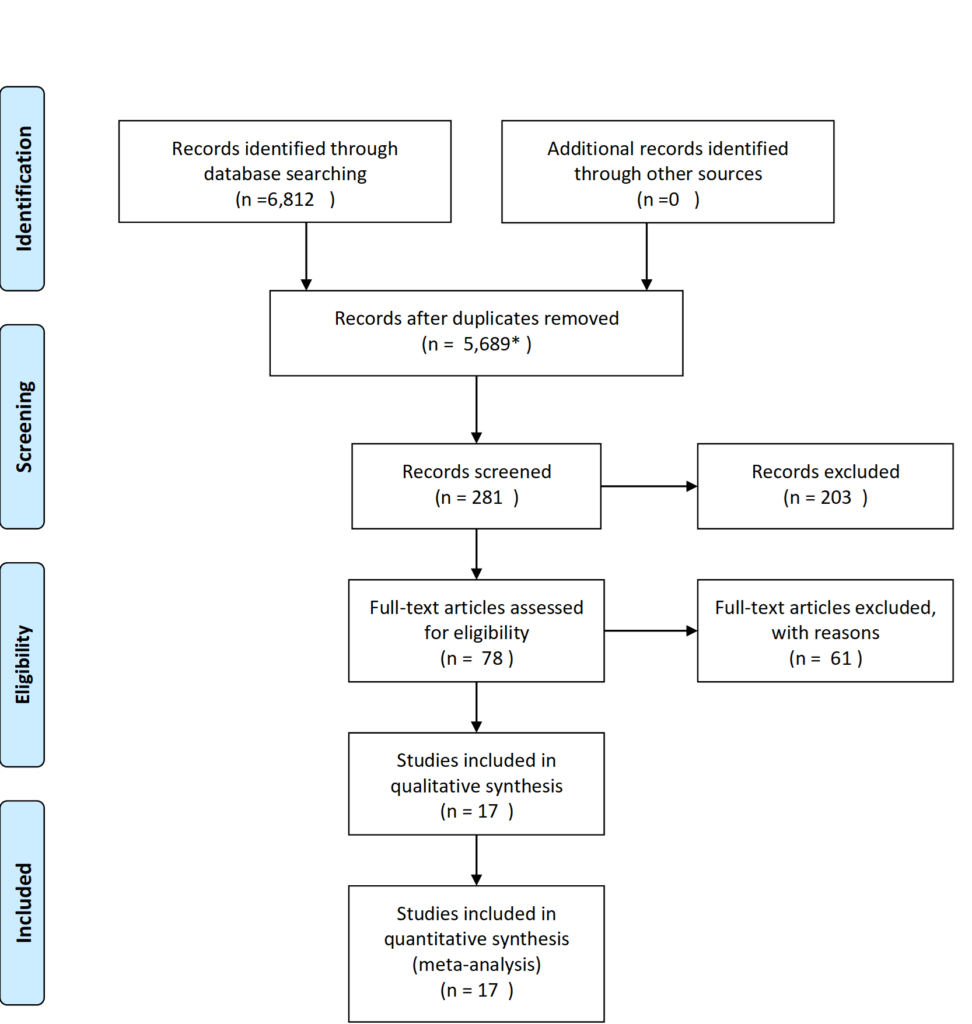
*In addition to duplicate removal, the librarian also removed strictly animal or children/adolescent studies not identified by search strategy and case reports dealing with 1 to 2 persons as encountered.
Supplemental Digital Content 6. Evidence table
| PICO Question | Author, Year | Type of Evidence | Study Type | Level of Evidence | Reviewer’s Conclusions |
| 1 | Cho et al., 20189 | Therapeutic | Retrospective comparative | II | This study affirms radiographic but negates clinical. Although higher cage subsidence and screw loosening, no difference in clinical outcomes |
| 1 | Kim et al., 201215 | Therapeutic | Prospective case control | III | This is a prognostic study that was downgraded because of insufficient N for power. In the setting of SP fracture after ISP device placement, there was a trend of lower BMD in fracture vs no fracture patients |
| 1 | Kim et al., 201317 | Therapeutic | Retrospective case series | III | This study affirms osteoporosis related to PJK and is a retrospective review with no adjusted analysis |
| 1 | Oh et al., 201716 | Therapeutic | Retrospective comparative case series | III | This study affirms the radiographic portion but negates the clinical. Also, indicates radiographic adverse outcomes—cage subsidence but not clinical outcome was impacted by osteoporosis |
| 1 | Puvanesarajah et al., 201618 | Therapeutic | Retrospective case series | III | Study affirm that osteoporosis is predictive of revision surgery in ASD |
| 1 | Ravindra et al., 20155 | Diagnostic | Retrospective comparative | III | Study affirms low vitamin D is associated with nonunion. Downgraded because of vitamin D levels assessed within 72 hours of surgery |
| 1 | Sakai et al., 201810 | Diagnostic | Retrospective comparative | II | Study finds that BMD and HU of screw trajectory were both associated with screw loosening |
| 1 | Salzmann et al., 201919 | Therapeutic | Retrospective comparative | III | Negative study finds that BMI and gender are more important risk factors than BMD for fracture after fusion |
| 1 | Schreiber et al., 201414 | Diagnostic | Retrospective comparative case control | III | Study affirms that successful lumbar fusion was associated with higher bone density both globally and within the fusion construct levels compared to patients with CT evidence of nonunion |
| 1 | Yagi et al., 201112 | Therapeutic | Retrospective comparative | II | Negative study finds no significant correlation between BMD and fusion or complication |
| 1 | Yagi et al., 201811 | Therapeutic | Retrospective comparative | II | Study finds low BMD is a risk factor for PJK |
| 2 | Cho et al., 201722 | Therapeutic | Prospective comparative | II | The study negates the use of teripratide over bisphosphonate. Although no difference in overall fusion rate or clinical outcome, the TP group had faster rate to fusion and more improved BMD scores. Negates = teripratide over bisphosphonate–although no difference in overall fusion rate or clinical outcome, the TP group had faster rate to fusion and more improved BMD scores |
| 2 | Kang et al., 201924 | Therapeutic | Prospective comparative | III | Long-term BP users have longer time to fusion but no difference in overall fusion rates at 2 years compared with nonusers |
| 2 | Kim et al., 201425 | Therapeutic | Restrospective comparative | IV | Study concludes alendronate does not impact fusion rates. Downgraded because of unknown patients in each group |
| 2 | Ohtori et al., 201220 | Therapeutic | Prospective | II | Study concludes that teriparatide had faster healing/bony union rates compared with BP |
| 2 | Ohtori et al., 201321 | Therapeutic | Prospective comparative RCT | II | Study affirms therapeutic teriparatide, finding administration of TP, but not BP, decreased screw loosening in patients with osteoporosis |
| 2 | Wang et al., 201623 | Therapeutic | Restrospective comparative | III | Study negates for ACDF. Patients with antiosteoporosis treatment had better radiographic parameters at final follow-up as well as for VAS in upper limb |
ACDF, anterior cervical discectomy and fusion; ASD, adult spinal deformity; BMD, bone mineral density; CT, computed tomography; HU, Hounsfield unit; ISP, interspinous process; PICO, patient/population, intervention, comparison, and outcomes; PJK, proximal junctional kyphosis; RCT, randomized controlled trial; SP, spinous process; TP, teripratide; VAS, visual analog scale
Congress of Neurological Surgeons Systematic Review and Evidence-based Guidelines for Perioperative Spine: Preoperative Nutritional Assessment
Sponsored by: Congress of Neurological Surgeons (CNS) and the Section on Disorders of the Spine and Peripheral Nerves
Endorsement: Reviewed for evidence-based integrity and endorsed by the American Association of Neurological Surgeons (AANS) and Congress of Neurological Surgeons (CNS)
Authors:
Erica F. Bisson, MD, MPH1, John Dimar, MD2, James S. Harrop, MD3, Daniel J. Hoh, MD4, Basma Mohamed, MBChB5, Praveen V. Mummaneni, MD, MBA6, Marjorie C. Wang, MD, MPH7, Sanjay Dhall, MD6
Departmental and institutional affiliations
Clinical Neurosciences Center, University of Utah Health, Salt Lake City, UT, USA
- Department of Orthopedics, University of Louisville, Pediatric Orthopedics, Norton Children’s Hospital, Norton Leatherman Spine Center, Louisville, KY, USA
- Department of Neurological Surgery and Department of Orthopedic Surgery, Thomas Jefferson University, Division of Spine and Peripheral Nerve Surgery, Delaware Valley SCI Center, Philadelphia, PA, USA
- Department of Neurosurgery, University of Florida College of Medicine, Gainesville, FL, USA
- Department of Anesthesiology, University of Florida College of Medicine, Gainesville, FL, USA
- Department of Neurosurgery, University of California San Francisco, San Francisco, CA, USA
- Department of Neurosurgery, Medical College of Wisconsin, Wauwatosa, WI, USA
Corresponding Author contact information:
Erica F. Bisson, MD, MPH
University of Utah Health
Clinical Neurosciences Center
175 North Medical Drive East
Salt Lake City, UT 84132
801-585-6065
Keywords: preoperative nutrition, albumin, prealbumin, nutritional deficiency
Abbreviations:
SSI: surgical site infection
MNM: multimodal nutrition management
CPR: C-reactive protein
ABSTRACT
Background: Preoperative malnutrition has been implicated in adverse events after elective surgery, potentially impacting patient outcomes.
Objective: As a potentially modifiable risk factor, we sought to determine which assessments of nutritional status, were associated with specific adverse events after spine surgery. In addition, we explored if a preoperative nutritional improvement intervention may be beneficial in lowering the rates of these adverse events.
Methods: The literature search yielded 115 abstracts relevant to the PICO (patient/population, intervention, comparison, and outcomes) questions included in this chapter. The task force selected 105 articles for full-text review, and 13 met criteria for inclusion in this systematic review.
Results: Malnutrition, assessed preoperatively by a serum albumin <3.5 g/dL or a serum prealbumin <20 mg/dL, is associated with a higher rate of surgical site infections (SSIs), other wound complications, nonunions, hospital readmissions, and other medical complications after spine surgery. A multimodal nutrition management protocol decreases albumin and electrolyte deficiencies in patients with normal preoperative nutritional status. It also improves overall complication rates but does not specifically impact SSIs.
Conclusion: It is recommended to assess nutritional status using either serum albumin or prealbumin preoperatively in patients undergoing spine surgery.
RECOMMENDATIONS
Question:
- What preoperative serologic studies of nutritional status (and timing of these studies) are predictive of adverse event after spine surgery?
Recommendations:
Serum markers of malnutrition including low preoperative albumin, prealbumin, total protein, and albumin/globulin are associated with multiple adverse events after spine surgery. In at-risk individuals, clinicians should assess nutritional status preoperatively and counsel patients on the potential for adverse events.
Strength of Recommendation: Grade B
Question:
- What preoperative nonserologic assessments of nutrition status (and timing of these assessments) are predictive of adverse event after spine surgery?
Recommendations:
There is insufficient evidence to make a recommendation on the impact of preoperative use of nonserologic assessments of nutrition status on adverse outcomes in patients undergoing spine surgery.
Strength of Recommendation: Grade Insufficient
Question:
- In patients with poor nutrition, does preoperative treatment (and type of treatment) decrease the risk of postoperative adverse events?
Recommendations:
In patients with malnutrition undergoing spine surgery, there is insufficient evidence to support the use of a perioperative multimodal nutrition management protocol to decrease the risk of postoperative adverse events.
Strength of Recommendation: Grade I
INTRODUCTION
Goals and Rationale
This clinical guideline has been created to improve patient care by outlining the appropriate information gathering and decision-making processes involved in the treatment of patients with perioperative spinal disease. This guideline has been created as an educational tool to guide ]physicians through a series of diagnostic and treatment decisions in an effort to improve the quality and efficiency of care.
This guideline should not be construed as including all proper methods of care or excluding methods of care reasonably directed to obtaining the same results. The ultimate judgment regarding any specific procedure or treatment must be made in light of all circumstances presented by the patient and the needs and resources particular to the locality or institution.
Adverse events after surgery are significant drivers of both cost and quality of life, impacting the overall value of these interventions. Studies have shown that spine surgery for degenerative conditions can result in significant improvements in pain, disability, and quality of life.1,2 However, postoperative complications, including SSI, readmission to the hospital, and nonunion, may add substantial morbidity and ultimately result in poor overall outcomes and satisfaction.3
There has been increased attention on identifying potentially modifiable risk factors for adverse outcomes after surgical intervention. Across surgical specialties, age, body mass index, diabetes, smoking, and nutrition4-6 have been shown to predict adverse outcomes. Among these, few are modifiable. This chapter will provide a systematic review of the relationship of nutritional status and adverse outcomes after spine surgery to guide preoperative evaluation and intervention.
Methods
The guidelines task force initiated a systematic review of the literature and evidence-based guideline relevant to the preoperative treatment of patients with spinal disorders. Through objective evaluation of the evidence and transparency in the process of making recommendations, this evidence-based clinical practice guideline was developed for the diagnosis and treatment of adult patients with various spinal conditions. These guidelines are developed for educational purposes to assist practitioners in their clinical decision-making processes. Additional information about the methods used in this systematic review is provided below.
Literature Search
The task force members identified search terms/parameters and a medical librarian implemented the literature search, consistent with the literature search protocol (see Supplemental Digital Content 1), using the National Library of Medicine/PubMed database and Embase for the period from 1946 to September 20, 2019 using the search strategies provided in Supplemental Digital Content 1.
Inclusion/Exclusion Criteria
Articles were retrieved and included only if they met specific inclusion/exclusion criteria (Supplemental Digital Content 2). These criteria were also applied to articles provided by guideline task force members who supplemented the electronic database searches with articles from their own files. To reduce bias, these criteria were specified before conducting the literature searches.
Rating Quality of Diagnostic Evidence
The guideline task force used a modified version of the North American Spine Society’s (NASS) evidence-based guideline development methodology. The NASS methodology uses standardized levels of evidence (Supplemental Digital Content 3) and grades of recommendation (Supplemental Digital Content 4) to assist practitioners in easily understanding the strength of the evidence and recommendations within the guidelines. The levels of evidence range from Level I (high quality randomized controlled trial) to Level IV (case series). Grades of recommendation indicate the strength of the recommendations made in the guideline based on the quality of the literature. Levels of evidence have specific criteria and are assigned to studies before developing recommendations. Recommendations are then graded based upon the level of evidence. To better understand how levels of evidence inform the grades of recommendation and the standard nomenclature used within the recommendations, see Supplemental Digital Content 4.
Guideline recommendations were written using a standard language that indicates the strength of the recommendation. “A” recommendations indicate a test or intervention is 2 “recommended”; “B” recommendations “suggest” a test or intervention and “C” recommendations indicate a test or intervention or “is an option.” “I” or “Insufficient Evidence” statements clearly indicate that “there is insufficient evidence to make a recommendation for or against” a test or intervention. Task force consensus statements clearly state that “in the absence of reliable evidence, it is the task force’s opinion that” a test or intervention may be appropriate.
In evaluating studies as to levels of evidence for this guideline, the study design was interpreted as establishing only a potential level of evidence. As an example, a therapeutic study designed as a randomized controlled trial would be considered a potential Level I study. The study would then be further analyzed as to how well the study design was implemented and significant shortcomings in the execution of the study would be used to downgrade the levels of evidence for the study’s conclusions (see Supplemental Digital Content 4 for additional information and criteria).
Revision Plans
In accordance with the Institute of Medicine’s standards for developing clinical practice guidelines, the task force will monitor related publications after the release of this document and will revise the entire document and/or specific sections “if new evidence shows that a recommended intervention causes previously unknown substantial harm; that a new intervention is significantly superior to a previously recommended intervention from an efficacy or harms perspective; or that a recommendation can be applied to new populations.”7 In addition, the task force will confirm within 5 years from the date of publication that the content reflects current clinical practice and the available technologies for the evaluation and treatment for patients with perioperative spinal disease.
RESULTS
The literature search encompassed terms relevant to all chapters in this guideline series and yielded 6812 abstracts (5689 after duplicates were deleted). After a double blind review, 845 abstracts were identified as relevant to the PICO question(s). The review yielded 115 abstracts relevant to this chapter. Task force members reviewed all abstracts yielded from the literature search and identified the literature for full text review and extraction, addressing the clinical questions, in accordance with the literature search protocol (Supplemental Digital Content 1). Task force members identified the best research evidence available to answer the targeted clinical questions. When Level I, II, and or III literature was available to answer specific questions, the task force did not review Level IV studies.
The task force selected 105 articles for full text review. Of these, 92 were rejected for not meeting inclusion criteria or for being off topic. Thirteen were selected for systematic review. (Supplemental Digital Content 5-6).
DISCUSSION
Question:
- What preoperative serologic studies of nutritional status (and timing of these studies) are predictive of adverse event after spine surgery?
Recommendations:
Serum markers of malnutrition including low preoperative albumin, prealbumin, total protein, and albumin/globulin are associated with multiple adverse events after spine surgery. In at-risk individuals, clinicians should assess nutritional status preoperatively and counsel patients on the potential for adverse events
Strength of Recommendation: Grade B
SSI AND OTHER WOUND COMPLICATIONS
Up to 1 in 6 patients having spine surgery will develop a surgical site infection,8-10 potentially resulting in a prolongation of their hospital stay, an increased likelihood of readmission, and revision surgery. This added morbidity comes at an increased cost to both the individual and society with lost productivity and increased cost of care. 11,12
Known risk factors for wound complications include age, sex, diabetes, body mass index, immunosuppression, and tobacco use.4,13,14 More recently, nutritional status has been investigated as a potential risk factor for these outcomes.
Malnutrition, defined by low levels of albumin, prealbumin, and other serum rapid turnover proteins (transferrin and retinol-binding protein), is a potentially modifiable risk factor for wound complications. Four studies specifically evaluated the role of these markers.
Salvetti et al15,16 reported on the impact of a low preoperative prealbumin level for spine surgery patients. In 2015, this group performed a case-control series, identifying 292 patients over a 3-year period who underwent surgical wound washouts. Preoperative prealbumin levels were available on 32 patients. A control cohort of 74 patients who underwent open posterior spine surgery during the same time interval were selected. There were no differences between the groups except for the presence of nutritional deficiency (P = .04). Both univariate and multivariate analysis found both diabetes and preoperative prealbumin <20 mg/dL to be independent risk factors for SSI (odds ratio [OR] 2.26 [95% confidence interval {CI} 1.05-4.84], P = .037 and OR 2.15 [95% CI 1.05-4.44], P = .037)16 (Level II). In a follow-up study,15 this group evaluated patients undergoing posterior spinal decompression and/or fusions. For this study, the authors evaluated the impact of nutritional sufficiency on deep wound infections (according to the U.S. Centers for Disease Control and Prevention definition). Of the 387 patients included, 19% were considered nutritionally insufficient (prealbumin <20 mg/dL). After adjusting for baseline differences, those with prealbumin <20 mg/dL were 3 times as likely to experience a deep SSI (OR 3.28 [95% CI 1.19-9.09], P = .02) (Level II).
To investigate serum markers of possible early wound infection (SSI), Kudo, et al17 measured total lymphocyte count, serum albumin, transferrin, prealbumin, retinol binding protein, C-reactive protein (CRP) and white blood cell count in patients undergoing spine surgery at a single institution. They defined possible SSI by an increase in CRP or lymphopenia after postoperative day 3 or 4. While a lower prealbumin was identified as significantly associated with possible SSI on univariate analysis, only operative duration was a predictor on multivariable analysis.
Focusing on revision surgeries for septic and aseptic reasons, Khanna et al18 used the American College of Surgeons National Surgical Quality Improvement Program registry to evaluate the relationship between hypoalbuminemia and reason for revision surgery and subsequent postoperative infectious complications. More than 3000 patients undergoing revision spinal surgery were included, 11% of whom had preoperative hypoalbuminemia. Hypoalbuminemia was significantly more common in those undergoing septic revision compared with aseptic revision surgery (49.1% vs 8.5%, P < .001). In the patients undergoing aseptic revision, low albumin increased the risk of having an acute postoperative infection (OR 2.53, (1.17,5.49), P = .019) (Level II).
In addition to studies focusing on malnutrition as an independent risk factor for wound complications, several studies have sought to identify all major risk factors for these adverse events in spinal surgery. Two independent groups in China, using large cohorts of patients undergoing spine surgery, sought to identify major risk factors for SSI. Wang et al19 retrospectively evaluated all patients from 3 major medical centers undergoing posterior lumbar surgery. With >8000 patients included, they found a prevalence of SSI in their population of 3%. In addition to multiple other factors, low preoperative total protein and albumin were independently predictive of an increase in SSI (P = .003 and P = .009, respectively) (Level III). Li et al20 investigated patients undergoing open transforaminal lumbar interbody fusion (TLIF) procedures and found an overall incidence of SSI of 4.5%, with 55% of those patients having superficial wound infection. Independent risk factors for any SSI were thicker subcutaneous fat (OR 1.383 [95% CI 1.178-1.623], P < .001), higher preoperative American Society of Anesthesiologists score (OR 3.164 [95% CI 1.302-7.692], P = .011), lower preoperative albumin (OR 0.802 [95% CI 0.708-0.907], P < .001), and longer postoperative wound drainage (OR 3.745 [95% CI 1.464-9.580], P = .006) (Level II). These studies, while demonstrating hypoalbuminemia as an independent risk factor for SSI, are limited by their retrospective nature and their low SSI rate.
Nonunion
Nonunion or pseudarthrosis is a well-known complication of spinal fusion surgery, occurring in ≤56% of patients.21,22 This complication is impacted by patient factors, including age, smoking status, diabetes, and surgical factors. Surgical factors include levels of surgery, surgical approach/technique, use of adjuncts, and grafts. While nonunion may be clinically asymptomatic, it may result in ≥1 readmissions or revision surgeries with resultant individual and societal costs.23 Therefore, avoiding this complication is paramount.
In an effort to discern preoperative modifiable risk factors associated with nonunion, Inose et al24 studied 74 consecutive patients undergoing lumbar decompression and instrumented fusion surgery (either posterior lumbar fusion, TLIF, or both) for degenerative disease. Serum bone turnover markers, procollagen type 1 amino-terminal propetide, tartrate-resistant acid phosphatase 5b, and a nutritional status marker serum albumin were assessed. Computed tomography was performed at 1 year to evaluate bony union. Preoperative albumin and bone turnover markers were independently predictive of nonunion (OR 0.028 [95% CI 0.001-0.379], P = .015) (Level II).
Hospital Readmissions
Adverse events often require additional interventions, prolonging hospital stays or resulting in unplanned readmissions after surgery.25,26 Two recent articles suggest malnutrition as an independent risk factor for 30 day hospital readmission.27,28
Adogwa et al27 used an institutional database to identify 145 patients undergoing elective spine surgery. All patients had preoperative albumin levels drawn with 27% having levels <3.5 g/dL. The malnourished cohort had a 3 times higher rate of unplanned readmission (27.5% vs 9.5%, P = .02). In addition to number of levels fused and length of surgery, measures of surgical invasiveness, preoperative albumin level was an independent predictor of 30-day readmission (P = .01) (Level III). In a large registry cohort, Phan et al28 found hypoalbuminemia to confer a 2.7 times risk for unplanned readmission (OR 2.7 [95% CI 1.1-6.3], P = .023) (Level II).
Specific Patient Populations
With the growing elderly global population and increase in spine surgery in this potentially at-risk group, Puvanesarajah et al29 sought to quantify the impact of poor nutritional status in the elderly on postoperative medical risk and quantify differences in length of stay and readmission rates. Using an administrative database, the authors identified patients aged 65 to 84 undergoing elective spine surgery. Poor nutrition was defined by International Classification of Diseases, 9th revision codes and outcomes included major medical complications, revision surgeries, wound complications, and mortality. While <1% of the cohort were malnourished, these patients had a significantly increased odds of 90-day major medical complications (OR 4.24 [95% CI 3.64-4.94], P < .001), 1-year mortality (OR 6.16 [95% CI 3.70-10.25], P < .001), postoperative infections (OR 2.27 [95% CI 1.70-3.04], P < .001), and wound dehiscence (OR 2.52 [95% CI 1.64-3.88], P < .001) (Level II).
Invasiveness of surgery has been demonstrated to be a predictor of multiple adverse events. Adult spinal deformity is often characterized by an increase in invasiveness, spanning multiple levels, combining varied surgical approaches, and involving osteotomy procedures. Phan et al30 analyzed 2236 patients in the American College of Surgeons National Surgical Quality Improvement Program registry who were undergoing surgery for adult spinal deformity to determine the impact of nutritional insufficiency, defined by a preoperative albumin level of <3.5 g/dL, on adverse outcomes. Nutritional insufficiency, present in 8.6% of this population, was found to be an independent risk factor for multiple adverse events. It most significantly impacts mortality, with malnourished patients having a 15 times risk of mortality (Level II).
Takemoto et al31 examined 274 patients undergoing elective thoracolumbar or lumbar surgeries and found that only 1.8% of these patients were malnourished (defined by prealbumin <15 mg/dL and transferrin <170 mg/dL). In this study, there was no association with malnutrition and postoperative complication, including wound complications. While this finding is contradictory, the chosen cutoff values for malnutrition may have been overly selective, and the potentially heterogenous patient population (did not clearly exclude tumor and trauma) may lead to bias in this study (Level III).
Question:
- What preoperative nonserologic assessments of nutrition status (and timing of these assessments) are predictive of adverse events after spine surgery?
Recommendations:
There is insufficient evidence to make a recommendation on the impact of preoperative use of nonserologic assessments of nutrition status on adverse outcomes in patients undergoing spine surgery.
Strength of Recommendation: Grade Insufficient
The literature search did not identify any studies that specifically addressed this question and met the inclusion and exclusion criteria.
Question:
- In patients with poor nutrition, does preoperative treatment (and type of treatment) decrease the risk of postoperative adverse events?
Recommendations:
In patients with malnutrition undergoing spine surgery, there is insufficient evidence to support the use of a perioperative multimodal nutrition management protocol to decrease the risk of postoperative adverse events.
Strength of Recommendation: Grade Insufficient
Nutritional status, a modifiable risk factor for adverse events, may be impacted by altering the diet of patients in the perioperative period. Strategies to improve the nutritional status of patients may range from the introduction of protein and carbohydrate supplements immediately preoperatively to the timed administration of enteral or parental nutrition. While this has been studied in other surgical populations, there is a paucity of literature evaluating the impact of nutrition-based interventions in spine surgery patients.
To date, there are few studies describing specific protocols to boost nutrition in this patient population. While excluded from this systematic review because of population characteristics, Hu et al32 studied the impact of administration of total parenteral nutrition between stages of 2-stage surgery. They found that receiving total parenteral nutrition was associated with a lower risk of postoperative infectious complications. Belthur et al33 studied the surgeon practice related to preoperative optimization for patients with cerebral palsy undergoing corrective spine surgery and found that 97% of responders identified nutrition status as a risk factor that should be optimized, yet the timing and strategy of optimization varied.
Specific to the investigated population for this systematic review, Xu et al34 evaluated a multimodal nutritional management plan in patients undergoing lumbar instrumented fusion surgery. Patients who were not malnourished preoperatively, as defined by a preoperative albumin level ≥35 g/L, were randomized to the multimodal nutrition management (MNM) protocol (MNM group) or a control group. The MNM group received protein powder and carbohydrate powder at intervals both before and immediately after surgery as well as an early feeding protocol. Outcomes measured were the use of albumin in the immediate postoperative period, incidence of electrolyte disturbance, transfusion rate, length of stay, medical complications, wound drainage, and wound infection. One hundred eighty-seven patients were randomized. Compared with the control group, those receiving the multimodal nutrition managements received a significantly lower volume and number of transfused albumin (P = .009 and P = .017, respectively), had a lower incidence of postoperative hypokalemia (P = .006), hyponatremia (P = .001), and hypocalcemia (P = .026), and a shorter length of stay (P < .001). The groups had a similar incidence of superficial infection, 2% in the MNM group and 5% in the control group, and neither group had any patients with deep wound infections. There was a significant difference in the number of patients with wound drainage, with more than double the number of patients in the control group with this outcome (P = .008) (Level II).
It is important to note that the patients in this study had normal nutrition before surgery, and as such may not be representative of the patients for which we would advocate intervention. In addition, while this was a randomized controlled trial, it lacked blinding for the patients and the surgeons, introducing potential bias, particularly in the assessment of wound drainage. Overall, this study demonstrates the utility of nutritional supplementation in patients with normal nutritional status undergoing spine surgery.
Future Research
This systematic review provides evidence that malnutrition, defined by a serum albumin level <3.5 g/dL or prealbumin level <20 mg/dL, is an independent risk factor for adverse events after elective spine surgery.
Future directions include (1) ascertaining which cutoff values for preoperative albumin and prealbumin are most indicative as predictors of adverse outcomes in spine patients, (2) the investigation of nonserologic assessments of nutritional status (e.g., anthropometric measurement [arm or calf circumference, hip-waist ratio] or questionnaires [Mini Nutritional Assessment]), and their impact on outcomes after spine surgery, and (3) the development of specific nutrition protocols and the evaluation of these protocol to (a) improve malnutrition, and (b) avoid adverse events after spine surgery.
Conclusions
In conclusion, malnutrition, as evidenced by low albumin and prealbumin, has been shown to predict SSI, nonunion, readmission rates, and overall mortality.
Conflicts of Interest
All Guideline Task Force members were required to disclose all potential COIs before beginning work on the guideline, using the COI disclosure form of the AANS/CNS Joint Guidelines Review Committee. The CNS Guidelines Committee and Guideline Task Force Chair reviewed the disclosures and either approved or disapproved the nomination and participation on the task force. The CNS Guidelines Committee and Guideline Task Force Chair may approve nominations of task force members with possible conflicts and restrict the writing, reviewing, and/or voting privileges of that person to topics that are unrelated to the possible COIs. See below for a complete list of disclosures.
| Author | Disclosure |
| Marjorie Wang, MD | Zimmer Biomet, Medtronic, Abbott, ABNS, AAN, JNS Spine Editorial Board |
| James Harrop, MD | Depuy Sysnthesis, Ethician, Globus, Stryker |
| Erica Bisson, MD | PCORI, NREF, MiRvs, NView, Stryker, Medtronic, |
| Praveen Mumanneni, MD | AO Spine, NREF, ISSS, Depuy, Globus, Stryker, Spinicity, ISD, Depuy, Thieme Publishers, Springer Publishers, CNS/NPA |
| John Dimar, MD | Medtronic, Depuy, Stryker, Johnson & Johnson, Pfizer, Glaxo-Smith Kline, Eli Lily, Abbot, Hoffman La Roche, Abbie, Pfizer, Norton Hospital, Medtronic, Stryker, SRS & FOSA (2020), JAAOS, Spine, Spinal Deformity, GSJ (Reviewer) |
| Sanjay Dhall, MD | Depuy Synthes, Globus Medical, Great Circle Technologies |
| Daniel Hoh, MD | The Spine Journal Editorial Board, CNS Officer, CNS Foundation Board, JNS Spine Editorial Board |
Funding
These evidence-based clinical practice guidelines were funded exclusively by the Congress of Neurological Surgeons and the AANS/CNS Joint Section on Disorders of the Spine and Peripheral Nerves (through a donation to the CNS Foundation), which received no funding from outside commercial sources to support the development of this document.
Disclaimer of Liability
This clinical, systematic, evidence-based clinical practice guideline was developed by a multi-disciplinary physician volunteer taskforce and is provided as an educational tool based on an assessment of the current scientific and clinical information regarding this guideline topic. These guidelines are disseminated with the understanding that the recommendations by the authors and consultants who have collaborated in their development are not meant to replace the individualized care and treatment advice from a patient’s physician(s). If medical advice or assistance is required, the services of a physician should be sought. The proposals contained in these guidelines may not be suitable for use in all circumstances. The choice to implement any particular recommendation contained in these guidelines must be made by a managing physician in light of the situation in each particular patient and on the basis of existing resources.
Acknowledgments
The guidelines task force would like to acknowledge the CNS Guidelines Committee for their contributions throughout the development of the guideline, the AANS/CNS Joint Guidelines Review Committee, the AANS/CNS Joint Section on Disorders of the Spine and Peripheral Nerves for their donation to the CNS Foundation to support this project, as well as the contributions of Kirsten Aquino, contracted project manager for the CNS, Trish Rehring, MPH, Associate Director for Evidence-Based Practice Initiatives for the CNS, Janet Waters, MLS, BSN, RN, for assistance with the literature searches and Kenneth Probst for the cover illustrations. Throughout the review process, the reviewers and authors were blinded from one another. At this time, the guidelines task force would like to acknowledge the following individual peer reviewers for their contributions: Patricia Raksin, MD, Jason Stacy, MD, Neil Majmunder, MD, Yi Lu, MD, Alex Beier, MD, Andrew Carlson, MD, Brandon Rocque, MD, Robert Whitmore, MD, Jay Turner, MD, Owoicho Adogwa, MD
REFERENCES
- Chan AK, Bisson EF, Bydon M, et al. Laminectomy alone versus fusion for grade 1 lumbar spondylolisthesis in 426 patients from the prospective Quality Outcomes Database. Journal of neurosurgery Spine. 2018;30(2):234-241.
- Kovacs FM, Urrútia G, Alarcón JD. Surgery versus conservative treatment for symptomatic lumbar spinal stenosis: a systematic review of randomized controlled trials. Spine. 2011;36(20):E1335-1351.
- Hayashi K, Boissière L, Guevara-Villazón F, et al. Factors influencing patient satisfaction after adult scoliosis and spinal deformity surgery. Journal of neurosurgery Spine. 2019;31(3):408-417.
- Cao J, Kong L, Meng F, Zhang Y, Shen Y. Impact of obesity on lumbar spinal surgery outcomes. Journal of clinical neuroscience : official journal of the Neurosurgical Society of Australasia. 2016;28:1-6.
- Guyot JP, Cizik A, Bransford R, Bellabarba C, Lee MJ. Risk factors for cardiac complications after spine surgery. Evidence-based spine-care journal. 2010;1(2):18-25.
- Schuster JM, Rechtine G, Norvell DC, Dettori JR. The influence of perioperative risk factors and therapeutic interventions on infection rates after spine surgery: a systematic review. Spine. 2010;35(9 Suppl):S125-137.
- Ransohoff DF, Pignone M, Sox HC. How to decide whether a clinical practice guideline is trustworthy. Jama. 2013;309(2):139-140.
- Friedman ND, Sexton DJ, Connelly SM, Kaye KS. Risk factors for surgical site infection complicating laminectomy. Infection control and hospital epidemiology. 2007;28(9):1060-1065.
- Olsen MA, Nepple JJ, Riew KD, et al. Risk factors for surgical site infection following orthopaedic spinal operations. The Journal of bone and joint surgery American volume. 2008;90(1):62-69.
- Pull ter Gunne AF, Cohen DB. Incidence, prevalence, and analysis of risk factors for surgical site infection following adult spinal surgery. Spine. 2009;34(13):1422-1428.
- Blumberg TJ, Woelber E, Bellabarba C, Bransford R, Spina N. Predictors of increased cost and length of stay in the treatment of postoperative spine surgical site infection. The spine journal : official journal of the North American Spine Society. 2018;18(2):300-306.
- Calderone RR, Garland DE, Capen DA, Oster H. Cost of medical care for postoperative spinal infections. The Orthopedic clinics of North America. 1996;27(1):171-182.
- Lieber B, Han B, Strom RG, et al. Preoperative Predictors of Spinal Infection within the National Surgical Quality Inpatient Database. World neurosurgery. 2016;89:517-524.
- Atlas SJ, Keller RB, Robson D, Deyo RA, Singer DE. Surgical and nonsurgical management of lumbar spinal stenosis: four-year outcomes from the maine lumbar spine study. Spine. 2000;25(5):556-562.
- Salvetti DJ, Tempel ZJ, Gandhoke GS, et al. Preoperative prealbumin level as a risk factor for surgical site infection following elective spine surgery. Surgical neurology international. 2015;6(Suppl 19):S500-503.
- Salvetti DJ, Tempel ZJ, Goldschmidt E, et al. Low preoperative serum prealbumin levels and the postoperative surgical site infection risk in elective spine surgery: a consecutive series. Journal of neurosurgery Spine. 2018;29(5):549-552.
- Kudo D, Miyakoshi N, Hongo M, et al. Relationship between preoperative serum rapid turnover proteins and early-stage surgical wound infection after spine surgery. European spine journal : official publication of the European Spine Society, the European Spinal Deformity Society, and the European Section of the Cervical Spine Research Society. 2017;26(12):3156-3161.
- Khanna K, Yi PH, Sing DC, Geiger E, Metz LN. Hypoalbuminemia Is Associated With Septic Revisions After Primary Surgery and Postoperative Infection After Revision Surgery. Spine. 2018;43(6):454-460.
- Wang T, Wang H, Yang DL, Jiang LQ, Zhang LJ, Ding WY. Factors predicting surgical site infection after posterior lumbar surgery: A multicenter retrospective study. Medicine. 2017;96(5):e6042.
- Li Z, Liu P, Zhang C, et al. Incidence, Prevalence, and Analysis of Risk Factors for Surgical Site Infection After Lumbar Fusion Surgery: >/=2-Year Follow-Up Retrospective Study. World neurosurgery. 2019.
- Lee CS, Hwang CJ, Lee DH, Kim YT, Lee HS. Fusion rates of instrumented lumbar spinal arthrodesis according to surgical approach: a systematic review of randomized trials. Clinics in orthopedic surgery. 2011;3(1):39-47.
- Lee C, Dorcil J, Radomisli TE. Nonunion of the spine: a review. Clinical orthopaedics and related research. 2004(419):71-75.
- Makino T, Kaito T, Fujiwara H, et al. Does fusion status after posterior lumbar interbody fusion affect patient-based QOL outcomes? An evaluation performed using a patient-based outcome measure. Journal of orthopaedic science : official journal of the Japanese Orthopaedic Association. 2014;19(5):707-712.
- Inose H, Yamada T, Mulati M, et al. Bone Turnover Markers as a New Predicting Factor for Nonunion After Spinal Fusion Surgery. Spine. 2018;43(1):E29-e34.
- Bari TJ, Karstensen S, Sørensen MD, Gehrchen M, Street JT, Dahl B. Readmission following complex spine surgery in a prospective cohort of 679 patients – 2-years follow-up using the Spine AdVerse Event Severity (SAVES) system. The spine journal : official journal of the North American Spine Society. 2020;20(5):717-729.
- Su AW, Habermann EB, Thomsen KM, Milbrandt TA, Nassr A, Larson AN. Risk Factors for 30-Day Unplanned Readmission and Major Perioperative Complications After Spine Fusion Surgery in Adults: A Review of the National Surgical Quality Improvement Program Database. Spine. 2016;41(19):1523-1534.
- Adogwa O, Elsamadicy AA, Mehta AI, Cheng J, Bagley CA, Karikari IO. Preoperative Nutritional Status is an Independent Predictor of 30-day Hospital Readmission After Elective Spine Surgery. Spine. 2016;41(17):1400-1404.
- Phan K, Ranson W, White SJW, et al. Thirty-Day Perioperative Complications, Prolonged Length of Stay, and Readmission Following Elective Posterior Lumbar Fusion Associated With Poor Nutritional Status. Global spine journal. 2019;9(4):417-423.
- Puvanesarajah V, Jain A, Kebaish K, et al. Poor Nutrition Status and Lumbar Spine Fusion Surgery in the Elderly: Readmissions, Complications, and Mortality. Spine. 2017;42(13):979-983.
- Phan K, Kim JS, Xu J, et al. Nutritional Insufficiency as a Predictor for Adverse Outcomes in Adult Spinal Deformity Surgery. Global spine journal. 2018;8(2):164-171.
- Takemoto E, Yoo J, Blizzard SR, Shannon J, Marshall LM. Preoperative prealbumin and transferring: Relation to 30-day risk of complication in elective spine surgical patients. Medicine. 2019;98(9):e14741.
- Hu SS, Fontaine F, Kelly B, Bradford DS. Nutritional depletion in staged spinal reconstructive surgery. The effect of total parenteral nutrition. Spine. 1998;23(12):1401-1405.
- Belthur M, Bosch L, Wood W, Boan C, Miller F, Shrader MW. Perioperative management of patients with cerebral palsy undergoing scoliosis surgery: Survey of surgeon practices. Journal of pediatric rehabilitation medicine. 2019;12(2):205-212.
- Xu B, Xu WX, Lao YJ, Ding WG, Lu D, Sheng HF. Multimodal Nutritional Management in Primary Lumbar Spine Surgery: A Randomized Controlled Trial. Spine. 2019;44(14):967-974.
Supplemental Digital Content 1. Literature searches
See Chapter 1: Congress of Neurological Surgeons Systematic Review and Evidence-Based Practice Guidelines for Perioperative Spine: Preoperative Opioid Evaluation for details on full PubMed and EMBASE search terms.
Supplemental Digital Content 2. Inclusion Criteria
Articles that did not meet the following criteria, for the purposes of this evidence-based clinical practice guideline, were excluded. To be included as evidence in the guideline, an article had to be a report of a study that:
- Investigated patients with cervical spine surgery, thoracic spine surgery, and lumbar spine surgery;
- Excluded patients with tumor, trauma, or infections;
- Included patients ≥18 years of age;
- Were studies that enrolled ≥80% of cervical spine surgery, thoracic spine surgery, and lumbar spine surgery (we include studies with mixed patient populations if they report results separately for each group/patient population);
- Was a full article report of a clinical study;
- Was not a medical records review, meeting abstract, historical article, editorial, letter, or commentary;
- Appeared in a peer-reviewed publication or a registry report;
- Enrolled a minimum of 20 patients;
- Was of humans;
- Was published in or after 1946;
- Quantitatively presented results;
- Was not an in vitro study;
- Was not a biomechanical study;
- Was not performed on cadavers;
- Was published in English;
- Was not a systematic review, meta-analysis, or guideline developed by others.
Systematic reviews or meta-analyses conducted by others, or guidelines developed by others were not included as evidence to support this review due to the differences in article inclusion/exclusion criteria specified compared with the criteria specified by the Guidelines Task Force. Although these articles were not included as evidence to support the review, these articles were recalled for full-text review for the Guidelines Task Force to conduct manual searches of the bibliographies.
Supplemental Digital Content 3.
Criteria grading the evidence
The task force used the criteria provided below to identify the strengths and weaknesses of the studies included in this guideline. Studies containing deficiencies were downgraded 1 level (no further downgrading allowed, unless so severe that study had to be excluded). Studies with no deficiencies based on study design and contained clinical information that dramatically altered current medical perceptions of topic were upgraded.
1. Baseline study design (i.e., therapeutic, diagnostic, prognostic) determined to assign initial level of evidence.
2. Therapeutic studies reviewed for following deficiencies:
- Failure to provide a power calculation for a randomized controlled trial (RCT);
- High degree of variance or heterogeneity in patient populations with respect to presenting diagnosis/demographics or treatments applied;
- Less than 80% of patient follow-up;
- Failure to utilize validated outcomes instrument;
- No statistical analysis of results;
- Crossover rate between treatment groups of greater than 20%;
- Inadequate reporting of baseline demographic data;
- Small patient cohorts (relative to observed effects);
- Failure to describe method of randomization;
- Failure to provide flowchart following patients through course of study (RCT);
- Failure to account for patients lost to follow-up;
- Lack of independent post-treatment assessment (e.g., clinical, fusion status, etc.);
- Utilization of inferior control group:
- Historical controls
- Simultaneous application of intervention and control within same patient
- Failure to standardize surgical/intervention technique;
- Inadequate radiographic technique to determine fusion status (e.g., static radiographs for instrumented fusion).
3. Methodology of diagnostic studies reviewed for following deficiencies:
- Failure to determine specificity and sensitivity;
- Failure to determine inter- and intraobserver reliability;
- Failure to provide correlation coefficient in the form of kappa values.
4. Methodology of prognostic studies reviewed for following deficiencies:
- High degree of variance or heterogeneity in patient populations with respect to presenting diagnosis/demographics or treatments applied;
- Failure to appropriately define and assess independent and dependent variables (e.g., failure to use validated outcome measures when available).
Rating evidence quality. Levels of evidence for primary research questiona
| Types of studies | ||||
| Therapeutic studies: Investigating the results of treatment | Prognostic studies: Investigating the effect of a patient characteristic on the outcome of disease | Diagnostic studies: Investigating a diagnostic test | Economic and decision analyses: Developing an economic or decision model | |
| Level I | High-quality randomized trial with statistically significant difference or no statistically significant difference but narrow confidence intervalsSystematic reviewb of Level I RCTs (and study results were homogeneousc) | High-quality prospective studyd (all patients were enrolled at the same point in their disease with≥80% follow-up of enrolled patients)Systematic reviewb of Level I studies | Testing of previously developed diagnostic criteria on consecutive patients (with universally applied reference gold standard)Systematic reviewb of Level I studies | Sensible costs and alternatives; values obtained from many studies with multiway sensitivity analysesSystematic reviewb of Level I studies |
| Level II | Lesser quality RCT (e.g., <80% follow-up, no blinding, or improper randomization)Prospectived comparative studyeSystematic reviewb of Level II studies or Level I studies with inconsistent results | Retrospectivef studyUntreated control subjects from an RCTLesser quality prospective study (e.g., patients enrolled at different points in their disease or <80% follow-up)Systematic reviewb of Level II studies | Development of diagnostic criteria on consecutive patients (with universally applied reference criterion standard)Systematic reviewb of Level II studies | Sensible costs and alternatives; values obtained from limited studies with multiway sensitivity analysesSystematic reviewb of Level II studies |
| Level III | Case control studygRetrospectivef comparative studyeSystematic reviewb of Level III studies | Case control studyg | Study of nonconsecutive patients without consistently applied reference criterion standardSystematic reviewb of Level III studies | Analyses based on limited alternatives and costs and poor estimatesSystematic reviewb of Level III studies |
| Level IV | Case seriesh | Case series | Case-control studyPoor reference standard | Analyses with no sensitivity analyses |
RCT, randomized controlled trial.
aA complete assessment of quality of individual studies requires critical appraisal of all aspects of the study design.
bA combination of results from ≥2 previous studies.
cStudies provided consistent results.
dStudy was started before the first patient enrolled.
ePatients treated one way (e.g., instrumented arthrodesis) compared with a group of patients treated in another way (e.g., uninstrumented arthrodesis) at the same institution.
fStudy was started after the first patient enrolled.
gPatients identified for the study based on their outcome, called “cases” (e.g., pseudoarthrosis) are compared with those who did not have outcome, called “controls” (e.g., successful fusion).
hPatients treated one way with no comparison group of patients treated in another way.
Supplemental Digital Content 4. Linking levels of evidence to grades of recommendation
| Grade of Recommendation | Standard Language | Levels of Evidence |
| A | Recommended | ≥2 consistent Level I studies |
| B | Suggested | One Level I study with additional supporting Level II or III studies | ≥2 consistent Level II or III studies |
| C | Is an option | One Level I, II, or III study with supporting Level IV studies | ≥2 consistent Level IV studies |
| I (insufficient or conflicting evidence) | Insufficient evidence to make recommendation for or against | A single Level I, II, III, or IV study without other supporting evidence | ≥1 study with inconsistent findings* |
*Note that in the presence of multiple consistent studies, and a single outlying, inconsistent study, the grade of recommendation will be based on the level of the consistent studies.
Supplemental Digital Content 5. PRISMA Flowchart
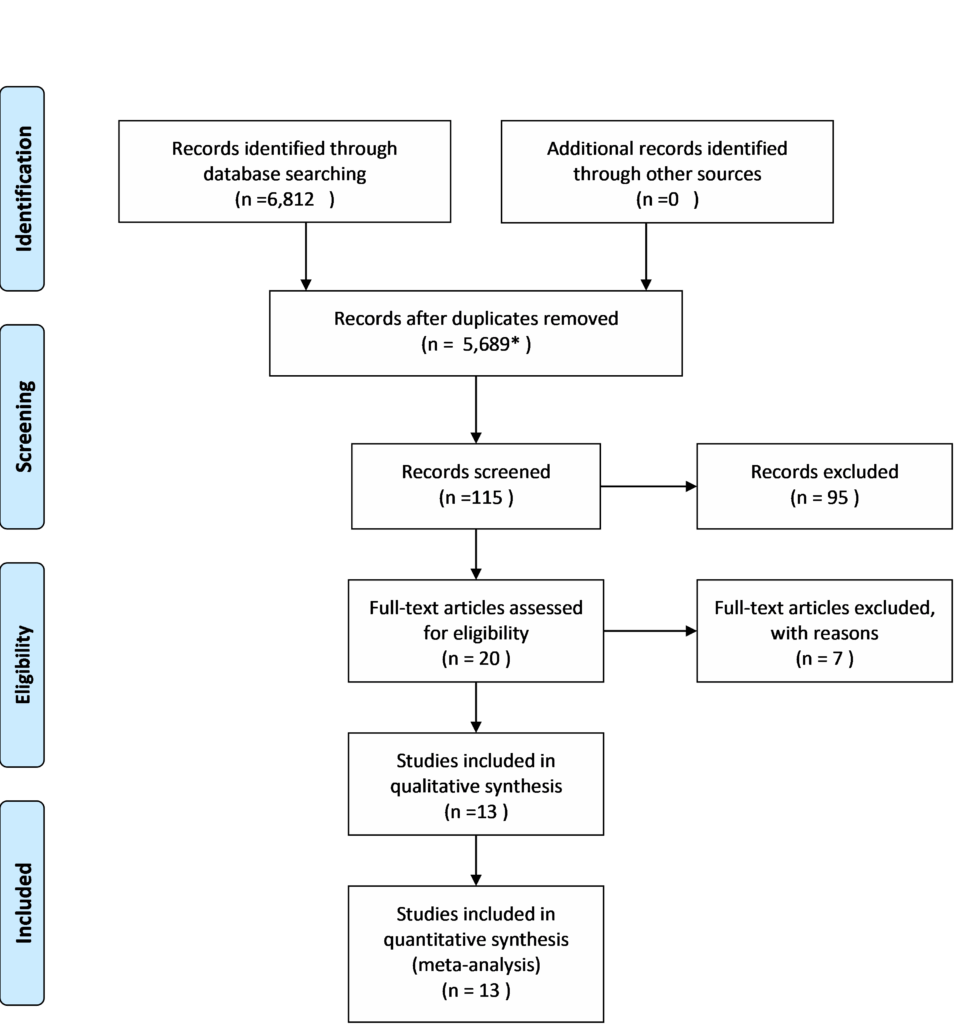
*In addition to duplicate removal, the librarian also removed strictly animal or children/adolescent studies not identified by search strategy and case reports dealing with 1 to 2 persons as encountered.
Supplemental Digital Content 6. Evidence table
| PICO Question | Author, Year | Type of Evidence | Study Type | Level of Evidence | Reviewer’s Conclusions |
| 1 | Adogwa et al, 201627 | Prognostic | Retrospective comparative | III | The study was downgraded because patient population not strictly defined—just says elective spine surgery—and is a single-center study. Affirms low preoperative albumin predictor of 30-day readmission |
| 1 | Inose et al, 201824 | Prognostic | Retrospective comparative | II | The study affirms that low preoperative albumin is an independent predictor of nonunion (multivariable analysis) |
| 1 | Khanna et al, 201818 | Prognostic | Retrospective comparative | II | The study affirms that hypoalbumenia associated with septic revision surgery compared with aseptic revisions AND among all revisions, hypoalbuminemia was associated with postoperative infection |
| 1 | Kudo et al, 201717 | Prognostic | Retrospective comparative | III | Study was downgraded because surgery was cervical, thoracic, and lumbar, and SSI was not clearly defined. This is a multivariable analysis that negates total lymphocyte count, prealbumin, and albumin. These are not associated with possible SSI |
| 1 | Li et al, 201920 | Prognostic | Retrospective comparative | II | This study affirms that low preoperative albumin is an independent risk factor for SSI |
| 1 | Phan et al, 201830 | Prognostic | Retrospective comparative | II | The study affirms nutritional insufficiency is an independent risk factor for mortality, all complications, pulmonary complication, renal complications, and transfusion |
| 1 | Phan et al, 201928 | Prognostic | Retrospective comparative | III | This was downgraded becuase there is not specific mention of excluding spine infection as the reason for surgery |
| 1 | Puvanesarajah et al, 201729 | Prognostic | Retrospective comparative | II | This study affirms that malnutrition was predictive of 90-day major medical complications, 1-year mortality, increased infection, wound dehiscence, and 30-day readmission (multivariate analysis) |
| 1 | Salvetti et al, 201515 | Prognostic | Retrospective comparative | II | The study affirms that low preoperative prealbumin is an independent risk factor for postoperative infection (multivariable) |
| 1 | Salvetti et al, 201816 | Prognostic | Retrospective comparative | II | The study affirms that low preoperative albumin is an independent predictor of SSI (multivariable analysis) |
| 1 | Takemoto et al, 201931 | Prognostic | Retrospective comparative | III | The study was downgraded because patient population is not strictly defined. The study negates low prealbumin and low transferrin, these are not associated with increased risk of complications |
| 1 | Wang et al, 201719 | Prognostic | Retrospective comparative | II | This study affirms low total protein, albumin, and albumin/globulin are independent predictors for postoperative SSI |
| 3 | Xu et al, 201934 | Therapeutic | Prospective RCT | II | The study was downgraded because it was not blinded. It affirms that the use of MNM protocol decreases postoperative use of albumin, electrolyte disorders, and wound drainage (also LOS) |
LOS, length of stay; MNM, multimodal nutrition management; RCT, randomized controlled trial; SSI, surgical site infection.
Congress of Neurological Surgeons Systematic Review and Evidence-based Guidelines for Perioperative Spine: Preoperative Pulmonary Evaluation And Optimization
Sponsored by: Congress of Neurological Surgeons (CNS) and the Section on Disorders of the Spine and Peripheral Nerves
Endorsement: Reviewed for evidence-based integrity and endorsed by the American Association of Neurological Surgeons (AANS) and Congress of Neurological Surgeons (CNS)
Authors:
Basma Mohamed, MBChB1, Marjorie C. Wang, MD, MPH2, Erica F. Bisson, MD, MPH3, John Dimar, MD4, James S. Harrop, MD5, Daniel J. Hoh, MD6, Praveen V. Mummaneni, MD, MBA7, Sanjay Dhall, MD7
Departmental and institutional affiliations:
- Department of Anesthesiology, University of Florida College of Medicine, Gainesville, FL, USA
- Department of Neurosurgery, Medical College of Wisconsin, Wauwatosa, WI, USA
- Clinical Neurosciences Center, University of Utah Health, Salt Lake City, UT, USA
- Department of Orthopedics, University of Louisville, Pediatric Orthopedics, Norton Children’s Hospital, Norton Leatherman Spine Center, Louisville, KY, USA
- Department of Neurological Surgery and Department of Orthopedic Surgery, Thomas Jefferson University, Division of Spine and Peripheral Nerve Surgery, Delaware Valley SCI Center, Philadelphia, PA, USA
- Department of Neurosurgery, University of Florida College of Medicine, Gainesville, FL, USA
- Department of Neurosurgery, University of California San Francisco, San Francisco, CA, USA
Corresponding Author contact information:
Basma Mohamed, MBChB
Department of Anesthesiology
University of Florida College of Medicine
1600 SW Archer Rd, Gainesville, Fl 32610
(352) 273-8960
Keywords: Preoperative pulmonary assessment, Preoperative pulmonary optimization, Pulmonary diagnostic tests, Pulmonary treatment, Risk factors for pulmonary complications
Abbreviations:
ACDF: anterior cervical discectomy and fusion
ACS NSQIP: American College of Surgeons National Surgical Quality Improvement Program BMI: body mass index
CHF: congestive heart failure
COPD: chronic obstructive pulmonary disease
DVT: deep vein thrombosis
NIS: National Inpatient Sample
OSA: obstructive sleep apnea
PE: pulmonary embolism
VTE: venous thromboembolism
ABSTRACT
Background: There are no current recommendations for preoperative pulmonary evaluation and management of patients undergoing elective spine surgery.
Objective: The aim of this guideline is to determine preoperative risk factors for perioperative and postoperative pulmonary adverse events and to determine the optimal preoperative evaluation and management of at-risk patients.
Methods: A systematic review of the literature was performed using the National Library of Medicine PubMed database and the Cochrane Library for studies relevant to postoperative pulmonary adverse events in patients undergoing spine surgery. Clinical studies evaluating preoperative patient risk factors and preoperative diagnostic and treatment interventions were selected for review.
Results: The literature search yielded 152 abstracts relevant to the PICO (patient/population, intervention, comparison, and outcomes) questions included in this chapter. The task force selected 65 articles for full-text review, and 24 were selected for inclusion in this systematic review. Twenty-three articles addressed preoperative patient risk factors. One article addressed preoperative diagnostic studies of pulmonary function. There were no studies meeting the inclusion criteria for preoperative pulmonary treatment.
Conclusion: There is substantial evidence for multiple preoperative patient factors that predict an increased risk of a postoperative pulmonary adverse event. Individuals with these risk factors (functional dependence, advanced age [≥65 years], chronic obstructive pulmonary disease [COPD], congestive heart failure [CHF], weight loss, and obstructive sleep apnea [OSA]) who are undergoing spine surgery should be counseled regarding the potential increased risk of a perioperative and postoperative pulmonary adverse events. There is insufficient evidence to support any specific preoperative diagnostic test for predicting the risk of postoperative pulmonary adverse events or any treatment intervention that reduces risk. It is suggested, however, to consider appropriate preoperative pulmonary diagnostic testing and treatment to address active pulmonary symptoms of existing or suspected disease.
RECOMMENDATIONS
Question:
- What preoperative patient factors are associated with increased risk of postoperative pulmonary adverse events in patients undergoing spine surgery?
Recommendation:
Clinicians should consider risk factors associated with an increased risk of postoperative pulmonary adverse events (functional dependence, advanced age, chronic obstructive pulmonary disease, congestive heart failure, weight loss, and obstructive sleep apnea) when determining patient suitability for spine surgery and counsel at-risk patients about the potential for postoperative pulmonary adverse events.
Strength of Recommendation: Grade B
Question:
- What preoperative diagnostic studies of pulmonary function predict risk of postoperative pulmonary adverse events in patients undergoing spine surgery?
Recommendation:
There is insufficient evidence to support the efficacy of any preoperative pulmonary test on predicting the risk of postoperative pulmonary adverse events in patients undergoing elective spine surgery. However, the task force recommends that clinicians perform the
appropriate preoperative pulmonary tests based on the clinical presentation of active
pulmonary symptoms or to confirm a suspected pulmonary disease.
Strength of Recommendation: Grade Insufficient
Question:
- Do preoperative pulmonary interventions reduce the risk of postoperative pulmonary adverse events in patients undergoing spine surgery?
Recommendation:
There is insufficient evidence regarding preoperative pulmonary interventions to reduce the risk of postoperative pulmonary adverse events in patients undergoing spine surgery. However, the task force recommends that clinicians proceed with the appropriate preoperative pulmonary interventions to treat active pulmonary symptoms or suspected pulmonary disease.
Strength of Recommendation: Grade Insufficient
INTRODUCTION
Goals and Rationale
This clinical guideline was created to improve patient care by outlining the appropriate information gathering and decision-making processes involved in the treatment of patients with perioperative spinal disease. Spinal surgical care is provided in many different settings by many different providers. This guideline has been created as an educational tool to guide qualified physicians through a series of diagnostic and treatment decisions in an effort to improve the quality and efficiency of care.
This guideline should not be construed as including all proper methods of care or excluding methods of care reasonably directed to obtaining the same results. The ultimate judgment regarding any specific procedure or treatment must be made in light of all circumstances presented by the patient and the needs and resources particular to the locality or institution. Postoperative pulmonary adverse events are serious complications that can lead to increased morbidity and mortality. Recent studies demonstrated up to a 10-fold increase in mortality in the first 30 days after surgery in patients who experience a postoperative pulmonary adverse event. Pulmonary complications are 1 of 4 patient safety indicators leading to 68% of all reported patient safety postoperative events.1 Recent literature has identified several patient risk factors for postoperative pulmonary complications (e.g., pneumonia, reintubation, prolonged ventilation, and venous thromboembolism), with many commonly occurring because of advanced age and associated comorbid medical conditions in patients who are undergoing elective spine surgery.
Methods
The guidelines task force initiated a systematic review of the literature and evidence-based guideline relevant to the preoperative evaluation and management of patients who are at risk for postoperative pulmonary adverse events. Through objective evaluation of the evidence and transparency in the process of making recommendations, this evidence-based clinical practice guideline was developed for the diagnosis and treatment of adult patients with various spinal conditions. These guidelines are developed for educational purposes to assist practitioners in their clinical decision-making processes. Additional information about the methods used in this systematic review is provided below.
Literature Search
The task force members identified search terms/parameters and a medical librarian implemented the literature search, consistent with the literature search protocol (see Supplemental Digital Content 1), using the National Library of Medicine/PubMed database and Embase for the period from 1946 to September 20, 2019 using the search strategies provided in Supplemental Digital Content 1.
Inclusion/Exclusion Criteria
Articles were retrieved and included only if they met specific inclusion/exclusion criteria (Supplemental Digital Content 2). These criteria were also applied to articles provided by guideline task force members who supplemented the electronic database searches with articles from their own files. To reduce bias, these criteria were specified before conducting the literature searches.
Rating Quality of Diagnostic Evidence
The guideline task force used a modified version of the North American Spine Society’s (NASS) evidence-based guideline development methodology. The NASS methodology uses standardized levels of evidence (Supplemental Digital Content 3) and grades of recommendation (Supplemental Digital Content 4) to assist practitioners in easily understanding the strength of the evidence and recommendations within the guidelines. The levels of evidence range from Level I (high quality randomized controlled trial) to Level IV (case series). Grades of recommendation indicate the strength of the recommendations made in the guideline based on the quality of the literature. Levels of evidence have specific criteria and are assigned to studies before developing recommendations. Recommendations are then graded based upon the level of evidence. To better understand how levels of evidence inform the grades of recommendation and the standard nomenclature used within the recommendations, see Supplemental Digital Content 4.
Guideline recommendations were written using a standard language that indicates the strength of the recommendation. “A” recommendations indicate a test or intervention is 2 “recommended”; “B” recommendations “suggest” a test or intervention and “C” recommendations indicate a test or intervention or “is an option.” “I” or “Insufficient Evidence” statements clearly indicate that “there is insufficient evidence to make a recommendation for or against” a test or intervention. Task force consensus statements clearly state that “in the absence of reliable evidence, it is the task force’s opinion that” a test or intervention may be appropriate.
In evaluating studies as to levels of evidence for this guideline, the study design was interpreted as establishing only a potential level of evidence. As an example, a therapeutic study designed as a randomized controlled trial would be considered a potential Level I study. The study would then be further analyzed as to how well the study design was implemented and significant shortcomings in the execution of the study would be used to downgrade the levels of evidence for the study’s conclusions (see Supplemental Digital Content 2 for additional information and criteria).
Revision Plans
In accordance with the Institute of Medicine’s standards for developing clinical practice guidelines, the task force will monitor related publications after the release of this document and will revise the entire document and/or specific sections “if new evidence shows that a recommended intervention causes previously unknown substantial harm; that a new intervention is significantly superior to a previously recommended intervention from an efficacy or harms perspective; or that a recommendation can be applied to new populations.”2 In addition, the task force will confirm within 5 years from the date of publication that the content reflects current clinical practice and the available technologies for the evaluation and treatment for patients with perioperative spinal disease.
RESULTS
The literature search encompassed terms relevant to all chapters in this guideline series and yielded 6812 abstracts (5689 after duplicates were deleted). After a double-blind review, 152 abstracts were identified as relevant to this PICO question (Supplemental Digital Content 5). Task force members reviewed all abstracts yielded from the literature search and identified the literature for full text review and extraction, addressing the clinical questions, in accordance with the literature search protocol (Supplemental Digital Content 1). Task force members identified the best research evidence available to answer the targeted clinical questions. When Level I, II, and/or III literature was available to answer specific questions, the task force did not review Level IV studies.
The task force selected 65 full-text articles for full text review. Of these, 41 were rejected for not meeting the inclusion criteria or for being off-topic. Twenty-four articles were selected for systematic review (Supplemental Digital Content 6).
Per the criteria for grading the evidence, baseline study design was determined to assign the initial level of evidence. All prognostic studies, which evaluated the impact of a patient characteristic on the outcome, and designed as a retrospective cohort study, were determined to be a Level II study (Supplemental Digital Content 3). A study may be downgraded based on criteria detailed in Supplemental Digital Content 6. For example, a study may be downgraded because of a high degree of variance or heterogeneity in patient population with respect to diagnosis, demographics, or treatment, or failure to appropriately define and assess independent and dependent variables.
DISCUSSION
Question:
- What preoperative patient factors are associated with increased risk of postoperative pulmonary adverse events in patients undergoing spine surgery?
Recommendation:
Clinicians should consider risk factors associated with an increased risk of postoperative pulmonary adverse events (functional dependence, advanced age, chronic obstructive pulmonary disease, congestive heart failure, weight loss, and obstructive sleep apnea) when determining patient suitability for spine surgery and counsel at-risk patients about the potential for postoperative pulmonary adverse events.
Strength of Recommendation: Grade B
Functional Dependence
One Level II and 1 Level III study demonstrated the relationship between preoperative functional dependence and the risk of developing postoperative pulmonary adverse events. Burton et al1 studied the impact of preoperative functional dependence (defined as the inability to independently perform activities of daily living-ADLs) on postoperative pulmonary adverse events. They defined postoperative pulmonary complication as pneumonia, reintubation, and prolonged mechanical ventilation (i.e., the need for mechanical ventilation for >48 hours). In this study, the investigators evaluated the association between preoperative functional dependence in 26,263 patients scheduled for elective cervical spine surgery and postoperative pulmonary adverse events. Five hundred fifty patients (2.1%) of this cohort were found to be functionally dependent. Functionally dependent patients were twice as likely to experience unplanned 30-day reintubation, with a hazard ratio of 2.05. Among all reintubated patients, the adjusted odds of 30-day mortality was significantly higher in functionally dependent patients compared with independent patients (odds ratio [OR] 5.82 [95% confidence interval {CI} 1.59-23.4], P < .001). This study provides Level II evidence in support of the association between functional dependence and postoperative pulmonary adverse events.
Bohl et al3 found that functional dependence was an independent risk factor for postoperative pneumonia in patients undergoing elective anterior cervical discectomy and fusion (ACDF). Patients who were functionally dependent had >5 times the risk of developing postoperative pneumonia compared with patients who were functionally independent. They evaluated 11,353 patients who met inclusion criteria and found that functional dependence was the second strongest predictor of postoperative pneumonia, after advanced age (≥70 years). This study provides Level III evidence supporting the association between functional dependence and postoperative pneumonia.
Advanced Age
A total of 7 Level II and 3 Level III studies evaluated the association of advanced age. Most studies used a cutoff of ≥65 years of age as the definition of advanced age with the incidence of postoperative pulmonary adverse events (cutoff age varied among studies). In a retrospective review of the American College of Surgeons National Surgical Quality Improvement Program (ACS NSQIP) database, Di Capua et al4 evaluated a total of 20,563 patients undergoing elective ACDF. The authors divided the cohort based on age and found that patients who were >60 years of age were 3 times more likely to experience a postoperative pulmonary adverse event in the form of pneumonia, unplanned reintubation, prolonged ventilation, or venous thromboembolism (VTE) compared with younger patients (OR 3.25). This study provides Level II evidence to support the relationship between advanced age and the risk of a postoperative pulmonary adverse event.
Similarly, Buerba et al5 used the ACS NSQIP database to evaluate the incidence of postoperative pulmonary complications in advanced-age patients undergoing elective ACDF. The authors analyzed 6253 patients, divided into 4 cohorts based on age, and found that patients who were ≥75 years of age were 6 times more likely to experience postoperative pulmonary complications compared with the reference group (younger groups, ages 18-39 and 40-64 years, respectively). They also found that patients who were 65 to 74 years of age were 4 times more likely to experience postoperative VTE compared with the younger age group. This study is Level II supporting the association between advanced age and postoperative pulmonary adverse events.
In a retrospective review (Level II evidence), Fineberg et al6 investigated the incidence and risk factors for aspiration pneumonia in patients undergoing cervical spine surgery. The authors found that the incidence of aspiration pneumonia was 5.3 per 1000 cases, and that patients ≥65 years of age are twice as likely to have aspiration pneumonia. Marquez-Lara et al7 evaluated the risk factors for reintubation in patients undergoing anterior cervical spine surgery. Multivariate logistic regression analysis demonstrated that the advanced age patient population had 1.5 times the risk of reintubation. This is a Level II evidence study.
De la Garza Ramos et al8,9 evaluated the incidence and risk factors of postoperative pulmonary adverse events including reintubation and pneumonia in 2 Level II studies of adult spinal deformity surgery. In 1 retrospective review,9 using the National Inpatient Sample (NIS), the authors evaluated 9734 patients undergoing adult spinal deformity surgery and found that advanced age is an independent risk factor for postoperative respiratory failure caused by pneumonia. Reintubation increased the rate of mortality 10-fold. In another retrospective cohort study using the ACS NSQIP database,8 the authors investigated risk factors associated with postoperative reintubation and prolonged ventilation in patients undergoing adult spinal deformity surgery and found that advanced-age patients have a slightly increased risk of reintubation. Advanced-age patients were at a 1.06-times higher chance of developing postoperative pulmonary adverse events after multivariate analysis compared with younger patients.
Two Level III studies evaluated the association of advanced age with postoperative pneumonia and reintubation because of airway obstruction. Bohl et al3 performed a retrospective cohort study aimed to determine the incidence and risk factors for pneumonia after elective ACDF using the NSQIP Database. After multivariate analysis, patients who were 60 to 69 years of age had 4.3 times the risk of developing pneumonia, and patients who were ≥70 years of age had a 9.5 times higher risk of developing pneumonia after ACDF. Li et al10 found that advanced-age patients are twice as likely to require reintubation after anterior cervical spine surgery.
VTEs, including deep vein thrombosis (DVT) and pulmonary embolism (PE), are considered serious and potentially fatal complications after spine surgery. Using a national database, Gephart et al11 (Level II) observed with multivariate regression analysis that advanced age was a significant predictor of VTE after thoracic and thoracolumbar spine surgery. Similarly, Buchanan et al12 (Level III) evaluated the incidence and risk factors for readmission for VTE after degenerative spine surgery and found that patients ≥75 years of age had nearly twice the odds of being readmitted because of VTE complication.
COPD
Four studies evaluated COPD as a risk factor for postoperative pulmonary complications. In a Level II study, Bohl et al13 used the ACS NSQIP database to perform a retrospective cohort study evaluating the incidence and risk factors for pneumonia after posterior lumbar fusion surgery. They found that COPD increased the risk of postoperative pneumonia 2.7-fold. In another Level III study, Bohl et al3 used the same database to analyze the incidence of pneumonia after cervical spine surgery (ACDF). They found COPD to be an independent risk factor for postoperative pneumonia with a 4-times increased risk. Patients who developed pneumonia were at higher risk of mortality (risk ratio 27).13
In a Level II study by De La Garza Ramos et al9 using the NIS, the incidence of reintubation was reported to be 1.8% after adult spinal deformity surgery. After multivariate analysis, chronic lung disease in the form of COPD was an independent risk factor for postoperative acute respiratory failure, which was the strongest indication for reintubation in this cohort. Elsamadicy et al14 performed a retrospective cohort study at a single institution focusing on COPD as a risk factor for pneumonia and found that the COPD cohort experienced a higher rate of pneumonia compared to the non-COPD cohort (5% vs 0.4%). This is a Level III study demonstrating the relationship between COPD and risk of postoperative pneumonia.
CHF
CHF was evaluated as a risk factor for postoperative reintubation, aspiration pneumonia, and VTE in 4 Level II studies. De La Garza Ramos et al9 evaluated the incidence and associated risk factors for reintubation after adult spinal deformity surgery. Patients with a preoperative diagnosis of CHF were more than twice as likely to experience postoperative respiratory failure, which was the strongest indication for reintubation (OR 2.6). Similarly, Marques-Lara et al7 evaluated the incidence and risk factors for reintubation after anterior cervical spine surgery using the NIS database. They found with multivariate analysis that patients with CHF were more than twice as likely to require postoperative reintubation (OR 2.6).
Fineberg et al6 using the NIS database, found multiple comorbidities associated with postoperative aspiration pneumonia in a retrospective cohort study of patients who had undergone cervical spine surgery. After multivariate logistic regression analysis, patients with CHF were 3 times more likely to be at risk of postoperative aspiration pneumonia. As a result, aspiration pneumonia was an independent predictor for hospital mortality (OR 19.5). CHF was also found to be an independent risk factor for postoperative VTE in patients who had undergone thoracolumbar spinal fusion surgery. Gephart et al11 investigated a cohort in the NIS database that showed patients who underwent thoracic or thoracolumbar fusion were at highest risk for postoperative VTE. After multivariate analysis, they found that patients with CHF and other comorbidities like anemia and weight loss were twice as likely to develop postoperative VTE (DVT or PE).
Weight Loss
Two Level II studies evaluated weight loss as an independent risk factor for postoperative pulmonary adverse events. In a retrospective analysis of thoracic and thoracolumbar spine fusion surgery,11 patients with a preoperative diagnosis of weight loss were found to be 3 times more likely to experience a postoperative VTE. In another study of cervical spine surgery patients, Fineberg et al6 performed a multivariate logistic regression analysis of different preoperative comorbidities and their association with postoperative aspiration pneumonia. They found that patients with preoperative weight loss were 8 times more likely to suffer aspiration pneumonia after cervical spine surgery. Both studies that evaluated the impact of weight loss on postoperative pulmonary adverse events used the NIS database. The database incorporated data from patients records that included International Classification of Diseases, 9th and 10th revision diagnostic codes for weight loss. The exact definition of weight loss was not specifically defined in either study.
Coagulopathy
Preoperative coagulopathy is an unlikely risk factor for postoperative pulmonary adverse events. However, in a retrospective review of the NIS database, De La Garza Ramos et al8,9 found that patients with adult spinal deformity with coagulopathy were nearly 4 times more likely to experience postoperative respiratory failure requiring reintubation and mechanical ventilation. In a study of patients with adult spinal deformity using the ACS NSQIP database, patients with preoperative coagulopathy/a preexisting bleeding disorder were almost 6 times more likely to require reintubation and prolonged ventilation in the postoperative period. In a study using the NIS database, Fineberg et al6 found that coagulopathy was an independent risk factor for postoperative aspiration pneumonia after cervical spine surgery (OR 2.5). All 3 studies were Level II evidence supporting the association between coagulopathy and postoperative pulmonary adverse events.
Anemia
Preoperative anemia as an independent risk factor for postoperative pulmonary adverse events was investigated by Marquez-Lara et al7 and De La Garza Ramos et al9 in 2 different surgical cohorts using the NIS database. Marquez-Lara et al7 found that anemia was an independent risk factor for postoperative reintubation in patients who underwent anterior cervical fusion surgery. Patients with preoperative anemia had twice the risk of needing reintubation. Similarly, for patients undergoing adult spinal deformity surgery, preoperative deficiency anemia was an independent risk factor for postoperative respiratory failure (OR 1.5). Patients in both cohorts experienced higher mortality rates because of postoperative pulmonary complications. Both studies were Level II evidence studies.
Corticosteroids
In a retrospective cohort study (Level II) using the ACS NSQIP database, Bohl et al13 evaluated the incidence and risk factors for postoperative pneumonia after posterior lumbar fusion surgery. They found that the use of preoperative oral steroids was an independent risk factor for development of pneumonia. Buchanan et al12 evaluated the incidence and risk factors of VTE after degenerative spine surgery using the Nationwide Readmission Database (Level III evidence). In a multivariate adjusted logistic regression analysis, patients using corticosteroids had nearly twice the odds of developing VTE at 30 days (OR 1.58) and 90 days (OR 1.97).
Obesity
Obesity as a risk factor for postoperative pulmonary adverse events was evaluated in a Level II study through retrospective review of the NIS database for adult spinal deformity surgery. In a study using the NIS database,9 the authors found that obese patients were almost twice as likely to develop postoperative respiratory failure and require reintubation. Yoshida et al15 (Level II) performed a retrospective study to develop a sliding scale for predicting postoperative complications after adult spinal deformity surgery. They used a prospective database at a single institution to perform the study. They found that high body mass index (BMI) was an independent risk factor for multiple postoperative complications, including pneumonia and VTE.
Sing et al16 evaluated obesity as a risk factor for pneumonia, reintubation, and prolonged ventilation after revision spine surgery in a retrospective review of the ACS NSQIP database. The authors used the World Health Organization classification of obesity: nonobese (BMI 18.5-29.9 kg/m2), obese class I (BMI 30-34.9 kg/m2), and obese class II/III (BMI ≥35 kg/m2). The investigators found that obese class II/III patients were nearly twice as likely to experience postoperative pneumonia, reintubation, and prolonged ventilation after revision surgery compared with the nonobese group. This study was downgraded to level III evidence because of the heterogeneity of the types of revision surgeries.
Similarly, Buerba et al17 performed a retrospective cohort study of patients undergoing lumbar spine surgery. They analyzed patients from the ACS NSQIP database and found that obese class III patients were twice as likely to develop postoperative pneumonia, reintubation, and prolonged ventilation compared with their reference group. In a single-institution retrospective study, Li et al10 identified that obese patients are twice as likely to experience postoperative reintubation and upper airway obstruction after anterior cervical spine surgery. Both studies provide level III evidence supporting the relationship between obesity and postoperative pulmonary adverse events.
OSA
OSA is associated with cardiac and pulmonary comorbidities. Lin et al18 performed a study using the NIS database and found that OSA was an independent risk factor for respiratory complications. However, it was paradoxically associated with a lower risk of postoperative PE. This study was downgraded to Level III evidence because of a heterogeneous, poorly defined surgical population. Chung et al19 evaluated a heterogeneous cohort of cervical, thoracic, and lumbar fusion and decompression surgery using the NIS database and found after multivariate logistic regression analysis that patients with OSA are nearly 3 times more likely to experience postoperative pulmonary complications in the form of respiratory failure, pneumonia, and the need for reintubation or mechanical ventilation. Patients with OSA experienced twice the incidence of DVT. This study was downgraded to level III evidence because of the heterogeneity of surgical procedures.
Smoking
Durand et al20 performed a multivariate analysis using the NIS and ACS NSQIP databases and found that smokers were at increased risk of postoperative pneumonia and reintubation. This study was downgraded to Level III evidence because of heterogeneity of the population and surgery. Similarly, De La Garza Ramos et al9 found, in a Level II evidence NIS retrospective cohort study of patients undergoing adult spinal deformity surgery, that smoking was associated with an increased risk of postoperative pneumonia and was a leading cause of postoperative intubation. In contrast, another Level III study using the ACS NSQIP database by the same investigators21 compared 30-day morbidity and mortality between current smokers and nonsmokers using multivariate logistic regression analysis. Interestingly, active smoking was not associated with an increased odds of developing pulmonary complications. There were significant baseline differences between the smoking versus nonsmoking cohorts, including younger age and fewer fusion levels in the smoking group. Finally, Li et al10 evaluated the risk factors for postoperative reintubation and airway obstruction after anterior cervical spine surgery in a level III study and found that smoking increased the odds of postoperative reintubation (OR 1.5)
Other patient factors had insufficient evidence to support a recommendation regarding their association with risk of postoperative pulmonary adverse event. These factors include preoperative neurologic status and opioid use disorders.
Preoperative Neurologic Status, i.e., Myelopathy
A retrospective cohort study of the NIS database evaluated the impact of preoperative myelopathy on the incidence of postoperative pneumonia and PE.22 After logistic regression analysis, patients with myelopathy were almost 4 times more likely to develop postoperative pneumonia after cervical anterior cervical fusion surgery and were 3 times more likely to experience pneumonia after posterior cervical fusion. Likewise, patients with myelopathy were found to be twice as likely to develop PE when compared with patients without myelopathy. The authors hypothesized that myelopathy-induced respiratory muscle dysfunction and impaired mobility increases the incidence of pneumonia and thromboembolism, respectively. Because this is a single Level II study without additional supporting studies, it was graded insufficient to consider preoperative myelopathy as a risk factor for postoperative pulmonary complications.
Opioid Use Disorders
Martini et al23 evaluated the risk of patients with opioid use disorder on postoperative outcomes after lumbar fusion surgery. The authors used the NIS database to perform a retrospective cohort study and found that patients with opioid use disorder had significantly higher rates of pneumonia (OR 3.059), DVT (OR 4.165), and PE (OR 4.97). This is the only study addressing this risk factor that met inclusion criteria. Because this is a single Level III study without additional supporting studies, it was graded insufficient to consider opioid use disorder as a risk factor for postoperative pulmonary complications.
Question:
- What preoperative diagnostic studies of pulmonary function predict risk of postoperative pulmonary adverse events in patients undergoing spine surgery?
Recommendation:
There is insufficient evidence to support the efficacy of any preoperative pulmonary test on predicting the risk of postoperative pulmonary adverse events in patients undergoing elective spine surgery. However, the task force recommends that clinicians perform the appropriate preoperative pulmonary tests based on the clinical presentation of active pulmonary symptoms or to confirm a suspected pulmonary disease.
Strength of Recommendation: Grade Insufficient
There was only 1 Level IV evidence study that met inclusion criteria.24 Inoue et al24 evaluated the use of d-dimer and other biomarkers in the preoperative setting to predict the incidence of postoperative DVT and PE. As a result, investigators found that an elevated level of plasminogen activator inhibitor-1 before surgery was higher in the VTE group compared with the non-VTE group, concluding that preoperative elevation of plasminogen activator inhibitor-1 is an effective marker for both DVT and PE. This study was downgraded to Level IV because of failure to report sensitivity and specificity.
Question:
- Do preoperative pulmonary interventions reduce risk of postoperative pulmonary adverse events in patients undergoing spine surgery?
Recommendation:
There is insufficient evidence regarding preoperative pulmonary interventions to reduce the risk of postoperative pulmonary adverse events in patients undergoing spine surgery. However, the task force recommends that clinicians proceed with the appropriate preoperative pulmonary interventions to treat active pulmonary symptoms or suspected pulmonary disease.
Strength of Recommendation: Grade Insufficient
No relevant studies meeting inclusion criteria were identified for this question.
Future Research
There is a need for further research related to preoperative pulmonary diagnostic studies and intervention in patients who are undergoing spine surgery. There are several studies that evaluate risk factors associated with postoperative pulmonary adverse events; however, there is a paucity of research related to diagnostic tests that predict the likelihood of postoperative pulmonary complications. Future studies may focus particularly on susceptible subpopulations (e.g., higher frailty index) and patients undergoing spine surgery with higher overall pulmonary morbidity (e.g., adult spinal deformity surgery).
There were no studies evaluating preoperative pulmonary interventions and impact on incidence of postoperative pulmonary complications. The potential benefit of preoperative treatment in patients with significant pulmonary risk factors, such as active smoking status or poor functional dependence, should be studied. Investigation of different pulmonary interventions and multi-modal strategies including inspiratory muscle training, deep breathing exercise, and preoperative incentive spirometry in high-risk patient populations should be performed.
CONCLUSIONS
Postoperative pulmonary adverse events can be a significant source of morbidity in patients who are undergoing spine surgery. Identifying risk factors may guide clinicians in preoperative patient counseling. Functional dependence, advanced age, and multiple comorbidities, including COPD and CHF, are significant risk factors for postoperative pulmonary complications. Appropriate preoperative assessment of these factors may facilitate determining patient suitability for elective surgery and inform risk versus benefit discussion.
There is a lack of evidence regarding preoperative diagnostic tests for predicting the risk of pulmonary complications or therapeutic interventions to reduce occurrence. High-quality studies are required regarding pulmonary diagnostic and therapeutic interventions with a focus on high-risk patients and procedures. Despite insufficient evidence, clinicians should consider appropriate preoperative evaluation and intervention in individuals with active pulmonary symptoms of existing or suspected disease.
Conflicts of Interest
All Guideline Task Force members were required to disclose all potential COIs before beginning work on the guideline, using the COI disclosure form of the AANS/CNS Joint Guidelines Review Committee. The CNS Guidelines Committee and Guideline Task Force Chair reviewed the disclosures and either approved or disapproved the nomination and participation on the task force. The CNS Guidelines Committee and Guideline Task Force Chair may approve nominations of task force members with possible conflicts and restrict the writing, reviewing, and/or voting privileges of that person to topics that are unrelated to the possible COIs. See below for a complete list of disclosures.
| Author | Disclosure |
| Marjorie Wang, MD | Zimmer Biomet, Medtronic, Abbott, ABNS, AANS, JNS Spine Editorial Board |
| James Harrop, MD | Depuy Sysnthesis, Ethician, Globus, Stryker |
| Erica Bisson, MD | PCORI, NREF, MiRvs, nView, Stryker, Medtronic |
| Praveen Mumanneni, MD | AO Spine, NREF, ISSS, Depuy, Globus, Stryker, Spinicity, ISD, Depuy, Thieme Publishers, Springer Publishers, CNS/NPA |
| John Dimar, MD | Medtronic, Depuy, Stryker, Johnson & Johnson, Pfizer, Glaxo-Smith Kline, Eli Lily, Abbot, Hoffman La Roche, Abbie, Pfizer, Norton Hospital, Medtronic, Stryker, SRS & FOSA (2020), JAAOS, Spine, Spinal Deformity, GSJ (Reviewer) |
| Sanjay Dhall, MD | Depuy Synthes, Globus Medical, Great Circle Technologies |
| Daniel Hoh, MD | The Spine Journal Editorial Board, CNS Officer, CNS Foundation Board, JNS Spine Editorial Board |
Funding
These evidence-based clinical practice guidelines were funded exclusively by the Congress of Neurological Surgeons and the AANS/CNS Joint Section on Disorders of the Spine and Peripheral Nerves (through a donation to the CNS Foundation), which received no funding from outside commercial sources to support the development of this document.
Disclaimer of Liability
This clinical, systematic, evidence-based clinical practice guideline was developed by a multi-disciplinary physician volunteer taskforce and is provided as an educational tool based on an assessment of the current scientific and clinical information regarding this guideline topic. These guidelines are disseminated with the understanding that the recommendations by the authors and consultants who have collaborated in their development are not meant to replace the individualized care and treatment advice from a patient’s physician(s). If medical advice or assistance is required, the services of a physician should be sought. The proposals contained in these guidelines may not be suitable for use in all circumstances. The choice to implement any particular recommendation contained in these guidelines must be made by a managing physician in light of the situation in each particular patient and on the basis of existing resources.
Acknowledgments
The guidelines task force would like to acknowledge the CNS Guidelines Committee for their contributions throughout the development of the guideline, the AANS/CNS Joint Guidelines Review Committee, the AANS/CNS Joint Section on Disorders of the Spine and Peripheral Nerves for their donation to the CNS Foundation to support this project, as well as the contributions of Kirsten Aquino, contracted project manager for the CNS, Trish Rehring, MPH, Associate Director for Evidence-Based Practice Initiatives for the CNS, Janet Waters, MLS, BSN, RN, for assistance with the literature searches and Kenneth Probst for the cover illustrations. Throughout the review process, the reviewers and authors were blinded from one another. At this time, the guidelines task force would like to acknowledge the following individual peer reviewers for their contributions: Patricia Raksin, MD, Jason Stacy, MD, Neil Majmunder, MD, Yi Lu, MD, Alex Beier, MD, Andrew Carlson, MD, Brandon Rocque, MD, Robert Whitmore, MD, Jay Turner, MD, Owoicho Adogwa, MD
REFERENCES
- Burton BN, Lin TC, A’Court AM, Schmidt UH, Gabriel RA. Dependent functional status is associated with unplanned postoperative intubation after elective cervical spine surgery: a national registry analysis. Journal of anesthesia. 2018;32(4):565-575.
- Ransohoff DF, Pignone M, Sox HC. How to decide whether a clinical practice guideline is trustworthy. Jama. 2013;309(2):139-140.
- Bohl DD, Ahn J, Rossi VJ, Tabaraee E, Grauer JN, Singh K. Incidence and risk factors for pneumonia following anterior cervical decompression and fusion procedures: an ACS-NSQIP study. The spine journal : official journal of the North American Spine Society. 2016;16(3):335-342.
- Di Capua J, Somani S, Kim JS, et al. Elderly Age as a Risk Factor for 30-Day Postoperative Outcomes Following Elective Anterior Cervical Discectomy and Fusion. Global spine journal. 2017;7(5):425-431.
- Buerba RA, Giles E, Webb ML, Fu MC, Gvozdyev B, Grauer JN. Increased risk of complications after anterior cervical discectomy and fusion in the elderly: an analysis of 6253 patients in the American College of Surgeons National Surgical Quality Improvement Program database. Spine. 2014;39(25):2062-2069.
- Fineberg SJ, Oglesby M, Patel AA, Singh K. Incidence, risk factors, and mortality associated with aspiration in cervical spine surgery. Spine. 2013;38(19):E1189-1195.
- Marquez-Lara A, Nandyala SV, Fineberg SJ, Singh K. Incidence, outcomes, and mortality of reintubation after anterior cervical fusion. Spine. 2014;39(2):134-139.
- De la Garza Ramos R, Nakhla J, Nasser R, et al. Factors associated with prolonged ventilation and reintubation in adult spinal deformity surgery. Journal of clinical neuroscience : official journal of the Neurosurgical Society of Australasia. 2017;43:188-191.
- De la Garza Ramos R, Passias PG, Schwab F, Bydon A, Lafage V, Sciubba DM. Incidence, Risk Factors, and Mortality of Reintubation in Adult Spinal Deformity Surgery. Clinical spine surgery. 2017;30(7):E896-e900.
- Li H, Huang Y, Shen B, Ba Z, Wu D. Multivariate analysis of airway obstruction and reintubation after anterior cervical surgery: A Retrospective Cohort Study of 774 patients. International journal of surgery (London, England). 2017;41:28-33.
- Gephart MG, Zygourakis CC, Arrigo RT, Kalanithi PS, Lad SP, Boakye M. Venous thromboembolism after thoracic/thoracolumbar spinal fusion. World neurosurgery. 2012;78(5):545-552.
- Buchanan IA, Lin M, Donoho DA, et al. Venous Thromboembolism After Degenerative Spine Surgery: A Nationwide Readmissions Database Analysis. World neurosurgery. 2019;125:e165-e174.
- Bohl DD, Mayo BC, Massel DH, et al. Incidence and Risk Factors for Pneumonia After Posterior Lumbar Fusion Procedures: An ACS-NSQIP Study. Spine. 2016;41(12):1058-1063.
- Elsamadicy AA, Sergesketter AR, Kemeny H, et al. Impact of Chronic Obstructive Pulmonary Disease on Postoperative Complication Rates, Ambulation, and Length of Hospital Stay After Elective Spinal Fusion (>/=3 Levels) in Elderly Spine Deformity Patients. World neurosurgery. 2018;116:e1122-e1128.
- Yoshida G, Hasegawa T, Yamato Y, et al. Predicting Perioperative Complications in Adult Spinal Deformity Surgery Using a Simple Sliding Scale. Spine. 2018;43(8):562-570.
- Sing DC, Yue JK, Metz LN, et al. Obesity Is an Independent Risk Factor of Early Complications After Revision Spine Surgery. Spine. 2016;41(10):E632-640.
- Buerba RA, Fu MC, Gruskay JA, Long WD, 3rd, Grauer JN. Obese Class III patients at significantly greater risk of multiple complications after lumbar surgery: an analysis of 10,387 patients in the ACS NSQIP database. The spine journal : official journal of the North American Spine Society. 2014;14(9):2008-2018.
- Lin CC, Lu Y, Patel NA, et al. Outcomes and Complications After Spinal Fusion in Patients With Obstructive Sleep Apnea. Global spine journal. 2019;9(3):287-291.
- Chung AS, DiGiovanni R, Tseng S, Hustedt JW, Chutkan N. Obstructive Sleep Apnea in Elective Spine Surgery: National Prevalence and Inpatient Outcomes. Global spine journal. 2018;8(6):550-556.
- Durand WM, DePasse JM, Bokshan SL, Eltorai AEM, Daniels AH. Tobacco Use and Complications Following Spinal Fusion: A Comparison of the National Surgical Quality Improvement Program and National Inpatient Sample Datasets. World neurosurgery. 2019;123:e393-e407.
- De La Garza Ramos R, Goodwin CR, Qadi M, et al. Impact of Smoking on 30-day Morbidity and Mortality in Adult Spinal Deformity Surgery. Spine. 2017;42(7):465-470.
- Shamji MF, Cook C, Tackett S, Brown C, Isaacs RE. Impact of preoperative neurological status on perioperative morbidity associated with anterior and posterior cervical fusion. Journal of neurosurgery Spine. 2008;9(1):10-16.
- Martini ML, Nistal DA, Deutsch BC, Caridi JM. Characterizing the risk and outcome profiles of lumbar fusion procedures in patients with opioid use disorders: a step toward improving enhanced recovery protocols for a unique patient population. Neurosurgical focus. 2019;46(4):E12.
- Inoue H, Watanabe H, Okami H, Kimura A, Seichi A, Takeshita K. D-dimer predicts pulmonary embolism after low-risk spine surgery. Spine surgery and related research. 2018;2(2):113-120.
Supplemental Digital Content 1. Literature searches
See Chapter 1: Congress of Neurological Surgeons Systematic Review and Evidence-Based Practice Guidelines for Perioperative Spine: Preoperative Opioid Evaluation for details on full PubMed and EMBASE search terms.
Supplemental Digital Content 2. Inclusion Criteria
Articles that did not meet the following criteria, for the purposes of this evidence-based clinical practice guideline, were excluded. To be included as evidence in the guideline, an article had to be a report of a study that:
Investigated patients with cervical spine surgery, thoracic spine surgery, and lumbar spine surgery;
- Excluded patients with tumor, trauma, or infections;
- Included patients ≥18 years of age;
- Were studies that enrolled ≥80% of cervical spine surgery, thoracic spine surgery, and lumbar spine surgery (we include studies with mixed patient populations if they report results separately for each group/patient population);
- Was a full article report of a clinical study;
- Was not a medical records review, meeting abstract, historical article, editorial, letter, or commentary;
- Appeared in a peer-reviewed publication or a registry report;
- Enrolled a minimum of 20 patients;
- Was of humans;
- Was published in or after 1946;
- Quantitatively presented results;
- Was not an in vitro study;
- Was not a biomechanical study;
- Was not performed on cadavers;
- Was published in English;
- Was not a systematic review, meta-analysis, or guideline developed by others.
Systematic reviews or meta-analyses conducted by others, or guidelines developed by others were not included as evidence to support this review due to the differences in article inclusion/exclusion criteria specified compared with the criteria specified by the Guidelines Task Force. Although these articles were not included as evidence to support the review, these articles were recalled for full-text review for the Guidelines Task Force to conduct manual searches of the bibliographies.
Supplemental Digital Content 3.
Criteria for grading the evidence
The task force used the criteria provided below to identify the strengths and weaknesses of the studies included in this guideline. Studies containing deficiencies were downgraded 1 level (no further downgrading allowed, unless so severe that study had to be excluded). Studies with no deficiencies based on study design and contained clinical information that dramatically altered current medical perceptions of topic were upgraded.
- Baseline study design (i.e., therapeutic, diagnostic, prognostic) determined to assign initial level of evidence.
2. Therapeutic studies reviewed for following deficiencies:
- Failure to provide a power calculation for a randomized controlled trial (RCT);
- High degree of variance or heterogeneity in patient populations with respect to presenting diagnosis/demographics or treatments applied;
- Less than 80% of patient follow-up;
- Failure to utilize validated outcomes instrument;
- No statistical analysis of results;
- Crossover rate between treatment groups of greater than 20%;
- Inadequate reporting of baseline demographic data;
- Small patient cohorts (relative to observed effects);
- Failure to describe method of randomization;
- Failure to provide flowchart following patients through course of study (RCT);
- Failure to account for patients lost to follow-up;
- Lack of independent post-treatment assessment (e.g., clinical, fusion status, etc.);
- Utilization of inferior control group:
- Historical controls
- Simultaneous application of intervention and control within same patient
- Failure to standardize surgical/intervention technique;
- Inadequate radiographic technique to determine fusion status (e.g., static radiographs for instrumented fusion).
3. Methodology of diagnostic studies reviewed for following deficiencies:
- Failure to determine specificity and sensitivity;
- Failure to determine inter- and intraobserver reliability;
- Failure to provide correlation coefficient in the form of kappa values.
4. Methodology of prognostic studies reviewed for following deficiencies:
- High degree of variance or heterogeneity in patient populations with respect to presenting diagnosis/demographics or treatments applied;
- Failure to appropriately define and assess independent and dependent variables (e.g., failure to use validated outcome measures when available).
Rating evidence quality. Levels of evidence for primary research questiona
| Types of Studies |
| Therapeutic studies: Investigating the results of treatment | Prognostic studies: Investigating the effect of a patient characteristic on the outcome of disease | Diagnostic studies: Investigating a diagnostic test | Economic and decision analyses: Developing an economic or decision model | |
| Level I | High-quality randomized trial with statistically significant difference or no statistically significant difference but narrow confidence intervalsSystematic reviewb of Level I RCTs (and study results were homogeneousc) | High-quality prospective studyd (all patients were enrolled at the same point in their disease with≥80% follow-up of enrolled patients)Systematic reviewb of Level I studies | Testing of previously developed diagnostic criteria on consecutive patients (with universally applied reference gold standard)Systematic reviewb of Level I studies | Sensible costs and alternatives; values obtained from many studies with multiway sensitivity analysesSystematic reviewb of Level I studies |
| Level II | Lesser quality RCT (e.g., <80% follow-up, no blinding, or improper randomization)Prospectived comparative studyeSystematic reviewb of Level II studies or Level I studies with inconsistent results | Retrospectivef studyUntreated control subjects from an RCTLesser quality prospective study (e.g., patients enrolled at different points in their disease or <80% follow-up)Systematic reviewb of Level II studies | Development of diagnostic criteria on consecutive patients (with universally applied reference criterion standard)Systematic reviewb of Level II studies | Sensible costs and alternatives; values obtained from limited studies with multiway sensitivity analysesSystematic reviewb of Level II studies |
| Level III | Case control studygRetrospectivef comparative studyeSystematic reviewb of Level III studies | Case control studyg | Study of nonconsecutive patients without consistently applied reference criterion standardSystematic reviewb of Level III studies | Analyses based on limited alternatives and costs and poor estimatesSystematic reviewb of Level III studies |
| Level IV | Case seriesh | Case series | Case-control studyPoor reference standard | Analyses with no sensitivity analyses |
RCT, randomized controlled trial.
aA complete assessment of quality of individual studies requires critical appraisal of all aspects of the study design.
bA combination of results from ≥2 previous studies.
cStudies provided consistent results.
dStudy was started before the first patient enrolled.
ePatients treated one way (e.g., instrumented arthrodesis) compared with a group of patients treated in another way (e.g., uninstrumented arthrodesis) at the same institution.
fStudy was started after the first patient enrolled.
gPatients identified for the study based on their outcome, called “cases” (e.g., pseudoarthrosis) are compared with those who did not have outcome, called “controls” (e.g., successful fusion).
hPatients treated one way with no comparison group of patients treated in another way.
Supplemental Digital Content 4. Linking levels of evidence to grades of recommendation
| A | Recommended | ≥2 consistent Level I studies | |
| B | Suggested | One Level I study with additional supporting Level II or III studies | ≥2 consistent Level II or III studies |
| C | Is an option | One Level I, II, or III study with supporting Level IV studies | ≥2 consistent Level IV studies |
| I (insufficient or conflicting evidence) | Insufficient evidence to make recommendation for or against | A single Level I, II, III, or IV study without other supporting evidence | ≥1 study with inconsistent findings* |
*Note that in the presence of multiple consistent studies, and a single outlying, inconsistent study, the grade of recommendation will be based on the level of the consistent studies.
Supplemental Digital Content 5. PRISMA Flowchart
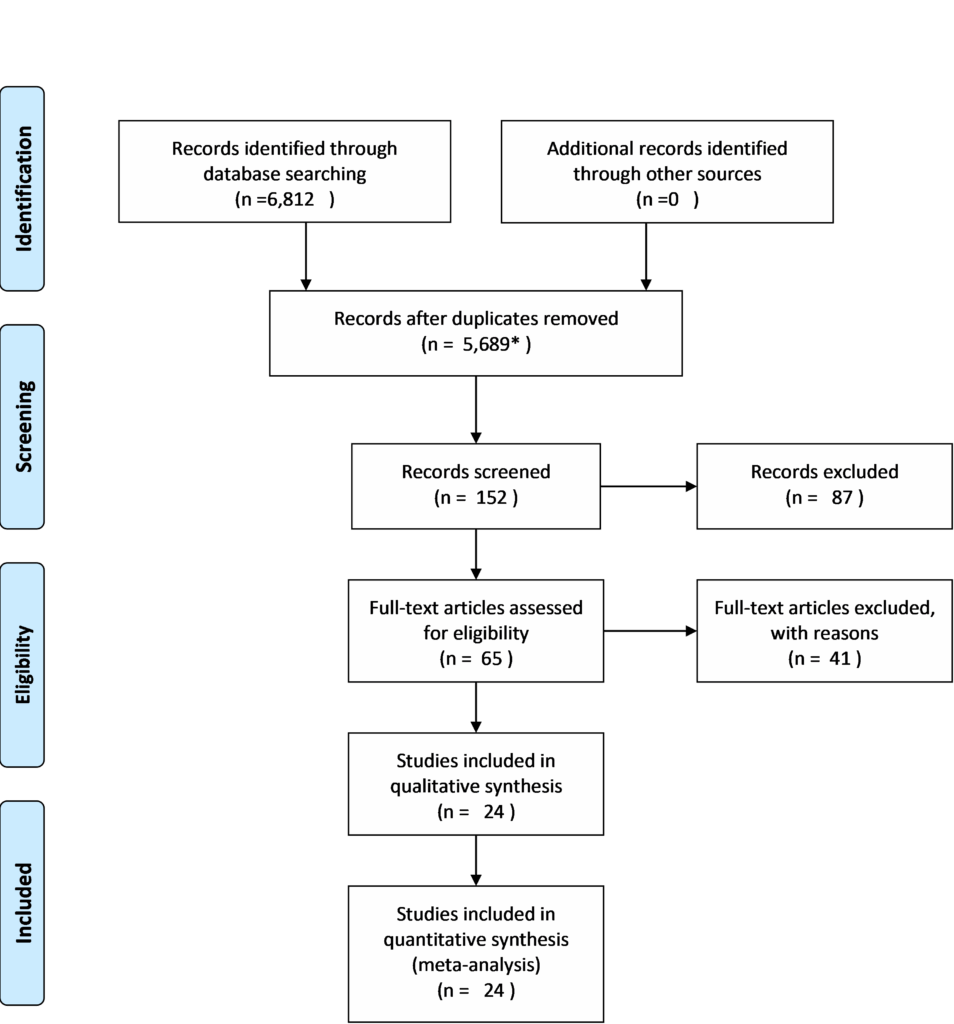
*In addition to duplicate removal, the librarian also removed strictly animal or children/adolescent studies not identified by search strategy and case reports dealing with 1 to 2 persons as encountered.
Supplemental Digital Content 6. Evidence table
| PICOQuestion | Author, Year | Type of Evidence | Study Type | Level of Evidence | Reviewer’s Conclusions |
| 1 | Bohl et al, 20163 | Prognostic | Retrospective cohort study | III | This was a prognostic study. The study affirms that patients who are older, are functionally dependent, or who have COPD are at greater risk for postoperative pulmonary adverse events after ACDF surgery. Study downgraded to Level III because of failure to appropriately define independent and dependent variables |
| 1 | Bohl et al, 201613 | Prognostic | Retrospective cohort study | II | This study affirms that patients with COPD, steroid use, diabetes mellitus, and a greater number of operative levels are at greater risk of postoperative pulmonary adverse events after posterior lumbar fusion surgery |
| 1 | Buchanan et al, 201912 | Prognostic | Retrospective cohort study | III | This study affirms that old age and the use of corticosteroids are independently associated with the higher likelihood of readmission with VTE within 30 days. Study was downgraded because of heterogeneity of the patient population |
| 1 | Buerba et al, 201417 | Prognostic | Retrospective cohort study | III | This study was downgraded because of heterogeneity of the patient population regarding the treatment approach to lumbar spine surgery in obese patients. The study affirms that obesity class III patients (BMI ≥40 kg/m2) are at a higher risk of postoperative pulmonary complications |
| 1 | Buerba et al, 20145 | Prognostic | Retrospective cohort study | II | This study affirms that only patients 65-74 years of age were more likely to have a PE/DVT, whereas only patients ≥75 years of age were more likely to experience respiratory complications, central nervous system complications, or death |
| 1 | Burton et al, 20181 | Prognostic | Retrospective cohort study | II | This prognostic study affirms functional dependence in activities of daily living is associated with postoperative pulmonary disease adverse events—the study showed that patients with preoperative functional dependence are twice as likely to develop severe postoperative pulmonary events |
| 1 | Chung et al, 201819 | Prognostic | Retrospective cohort study | III | This study affirms that OSA was an independent predictor of pulmonary complications. This study was downgraded because of the heterogeneity of the surgical procedure |
| 1 | De La Garza Ramos et al, 201721 | Prognostic | Retrospective cohort study | III | This study negates smoking. Smoking was not associated with increased rates of postoperative complications, including pulmonary complications such as pneumonia, reintubation, or PE. This study was downgraded because of heterogeneity of the patient population |
| 1 | De la Garza Ramos et al, 20178 | Prognostic | Retrospective cohort study | II | This prognostic study affirms the association of age and bleeding disorder with prolonged ventilation and reintubation in adult spinal deformity surgery |
| 1 | De la Garza Ramos et al, 20179 | Prognostic | Retrospective cohort study | II | This study affirms that the following risk factors were independent predictors of reintubation and respiratory failure after adult spine deformity surgery: CHF, coagulopathy, fusion of ≥8 levels, deficiency anemia, and chronic lung disease |
| 1 | Di Capua et al, 20174 | Prognostic | Retrospective case control | II | This prognostic study affirms that age (>61 years) is associated with pulmonary complications, including pneumonia, unplanned reintubation, or duration of ventilator-assisted respiration >48 hours, and VTE (PE and DVT) |
| 1 | Durand et al, 201920 | Prognostic | Retrospective cohort study | III | This study affirms that smokers were at increased risk of postoperative pulmonary complications (including pneumonia and reintubation). The study was downgraded because of heterogeneity of the patient population and surgical approach |
| 1 | Elsamadicy et al, 201814 | Prognostic | Retrospective cohort study | III | This study was downgraded because of heterogeneity of the patient population. The study affirms COPD is associated with pneumonia (PICO question 1) |
| 1 | Fineberg et al, 20136 | Prognostic | Retrospective cohort study | II | This study affirms that advanced age (≥65 years), male sex, CHF, coagulopathy, neuropsychiatric disorders, and weight loss are independent predictors of aspiration in cervical spine surgery |
| 1 | Gephart et al, 201211 | Prognostic | Retrospective cohort study | II | This study shows that spinal fusion at the thoracic/thoracolumbar level, increasing age, Medicare insurance coverage (vs private insurance), urban teaching hospital (vs urban nonteaching hospital), combined anterior/posterior surgical approach (vs posterior-only approach), and the presence of congestive heart failure or weight loss (Elixhauser comorbidity groups) were each independently associated with an increased OR of VTE complications |
| 1 | Li et al, 201710 | Prognostic | Retrospective cohort study | III | The study was downgraded because it failed to define patient variables. This is a prognostic study that affirms that age, smoking, and BMI are associated with airway obstruction and reintubation after anterior cervical spine surgery |
| 1 | Lin et al, 201918 | Prognostic | Retrospective cohort study | III | This study affirms that OSA is an independent risk factor for postoperative pulmonary complications; however, it was an independent predictor of decreased patient mortality. Study was downgraded because of the heterogeneous poorly defined surgical population |
| 1 | Marquez-Lara et al, 20147 | Prognostic | Retrospective cohort study | II | This study affirms there are significant predictors for reintubation included ≥3-level fusions, CHF, anemia, postoperative aspiration pneumonia, hematoma, thromboembolic events, and dysphagia |
| 1 | Martini et al, 201922 | Prognostic | Retrospective cohort study | III | Retrospective analysis of patients who had undergone lumbar spine surgery to evaluate outcome in patients with OUD vs those without OUD. Patients with OUD are at higher risk of postoperative pulmonary complications (pneumonia, PE, and DVT). Study was downgraded because of heterogeneity of the patient population and the surgical approach |
| 1 | Shamji et al, 200822 | Prognostic | Retrospective cohort study | II | This study affirms that myelopathy is associated with pneumonia |
| 1 | Sing et al, 201616 | Prognostic | Retrospective cohort study | III | This study was downgraded because of heterogeneity of the types of revision surgeries. This study affirms that patients with obesity class II/III (BMI ≥35 kg/m2) are twice as likely to experience postoperative pulmonary complications after revision spine surgery |
| 1 | Yoshida et al, 201815 | Prognostic | Retrospective cohort study | II | This study affirms that the only independent predictor of DVT/PE after adult spine deformity surgery was high BMI (OR 1.160 [95% CI 1.024-1.315], P = .020) |
| 2 | Inoue et al, 201823 | Diagnostic | Prospective diagnostic study | IV | Study showed negative association for CT and d-dimer preoperatively but affirms PAI. The study was downgraded because it failed to report sensitivity and specificity of a diagnostic study |
ACDF, anterior cervical decompression and fusion; CHF, congestive heart failure; CI, confidence interval; COPD, chronic obstructive pulmonary disease; CT, computed tomography; DVT, deep vein thrombosis; OR, odds ratio; OSA, obstructive sleep apnea; OUD, opioid use disorder; PAI, plasminogen activator inhibitor-1; PE, pulmonary embolism; VTE, venous thromboembolism.